The question boy or girl often arrives before a child’s name, interests, or wonderfully specific opinions about clothing. In a store, it can become a shortcut: one rack for this child, another for that child. But a closet is not a filing system. It is a small collection of possibilities, and the most memorable wardrobes leave room for a child to discover what feels like them.
I have spent years looking at children’s clothing from the buyer’s side of the table, studying fabric hand, pattern balance, and construction. The most useful question was rarely boy or girl. It was simpler: does this garment invite the child to move, imagine, and participate? Clothes should speak for the child, not over them.
Begin with the child, not the category
Watch what your child reaches for when nobody is directing them. Perhaps they choose the softest cotton shirt, a pair of red rain boots, or a skirt that swirls when they turn. Perhaps they want a blazer because its pockets feel important. These choices are not a test of identity or taste. They are information.
Instead of asking, “Is this for a boy or girl?” try, “What do you like about it?” That small change gives a child useful vocabulary. They may say the fabric is smooth, the color looks like the ocean, or the sleeves feel too tight. All three answers teach you something about comfort and personal style.
When Iris was younger, she rejected a beautiful cardigan because the buttons felt cold against her neck. I initially noticed the fine merino and lovely moss color; she noticed the sensation. She was right. A garment can be beautifully made and still be wrong for the person wearing it. Good style begins with attention.

Look closely at color and pattern
Color is one of the easiest ways to build a wardrobe without sorting it into gendered sections. A warm ocher can glow beside denim. Lavender can look architectural with charcoal. Tomato red brings life to a quiet cream dress or a simple cotton shirt. The point is not to make every outfit colorful. It is to notice how color behaves in natural light and against the child’s existing clothes.
Patterns deserve the same curiosity. A small gingham check feels orderly and familiar, while a hand-drawn animal print has a little more narrative energy. Stripes can be crisp, nautical, playful, or nearly graphic depending on their width and spacing. When considering boy or girl, many adults overlook these design details because they are trying to make the correct category choice. The better choice is the pattern that gives the child something to see.
A useful exercise is to lay five garments on the bed and ask your child to arrange them by feeling rather than by type. Which one looks calm? Which one feels spirited? Which would they wear to climb a tree, visit a museum, or sit through a long family dinner? This turns dressing into observation instead of correction.
Fabric, fit, and movement matter more than labels
A child’s clothing has a physical job. It needs to bend at the knees, allow a full reach, survive a playground, and remain comfortable through a car ride. Cotton poplin holds a neat shape but can feel crisp. Brushed jersey has a softer hand and usually forgives energetic movement. Linen brings beautiful airflow in a humid place like Savannah, though it wrinkles honestly. Corduroy adds warmth and texture but can feel bulky under a coat.
Look at the shoulder seam, arm opening, waistband, and hem. A shirt that pulls across the back will be abandoned regardless of its color. An elastic waist can be practical without looking careless when the rise is thoughtfully cut. For dresses, check whether the child can run and sit without managing the garment every few minutes. For trousers, a little room through the seat and thigh often makes the difference between playwear and something that stays on the hanger.
When a child asks whether an item is for a boy or girl, answer with the garment’s actual qualities: “It is a cotton shirt with a loose fit,” or “It is a pleated skirt that moves when you walk.” Description opens a door. Classification often closes one.
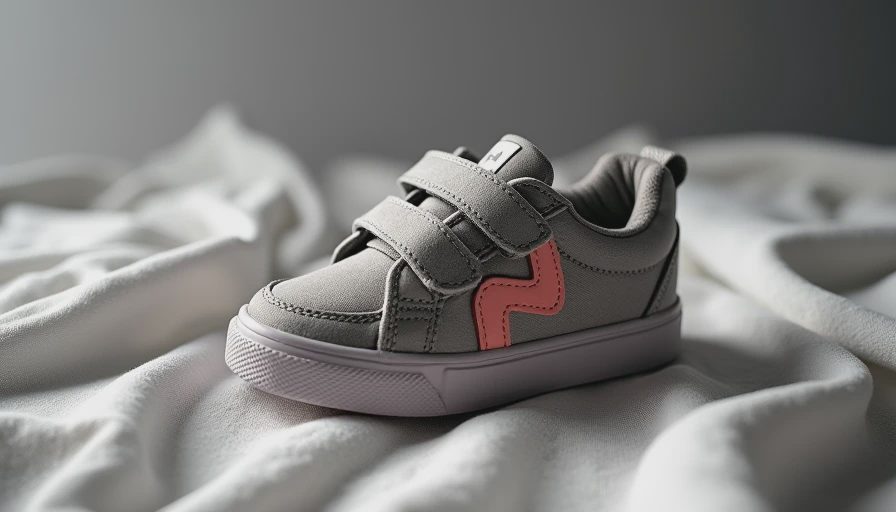
Build outfits from a small visual vocabulary
A thoughtful closet does not need hundreds of pieces. Start with a few colors your child repeatedly chooses, then add contrast. Navy, cream, olive, and faded denim create a quiet base. A saffron sweatshirt, striped socks, or embroidered vest can provide the note that makes an outfit feel personal.
Consider buying in groups that work together rather than purchasing isolated “special” items. A chambray shirt can sit beneath a jumper, over a tank, or beside soft trousers. A full skirt can pair with a sweatshirt and sneakers as easily as with a blouse and loafers. A boxy cardigan can soften a formal dress and warm up a graphic tee. This is how a wardrobe becomes expressive without becoming precious.
Brands such as Primary, Hanna Andersson, Tea Collection, and Mini Boden each approach color and construction differently, but a label should be the beginning of your examination, not the conclusion. Feel the fabric, inspect the seams, and consider whether the design supports real childhood. A high price does not guarantee a generous cut or a comfortable finish.
Let occasion dressing remain imaginative
Special events often bring the strongest pressure to choose the expected outfit. Yet a wedding, recital, or holiday dinner can be an opportunity for a child to practice choosing. Offer two or three complete options: perhaps a cotton shirt with wide-leg trousers, a velvet dress with boots, or a soft suit jacket over a knit top. Let the child decide which combination feels most like them.
If the question boy or girl comes up while shopping for a ceremony, redirect gently. Ask whether they want movement, shine, structure, or softness. A child who loves to spin may prefer a fuller skirt, while another may feel wonderful in a sharp trouser and jacket. Neither choice needs a larger explanation. The garment is serving the child, not announcing a category.
Comfort remains part of elegance. Remove scratchy tags, test shoes on a hard floor, and make sure buttons can be managed by the child who will wear them. The most polished outfit in the room is often the one a child can forget they are wearing.
A calmer way to shop together
Before you buy, try this five-step rhythm. First, name the practical need: school, weather, play, or a ceremony. Second, identify one sensory quality your child enjoys, such as softness, weight, shine, or stretch. Third, choose a color or pattern that works with at least three existing pieces. Fourth, let the child move in the garment: bend, reach, sit, and walk. Finally, ask whether they would choose it again tomorrow.
This approach makes boy or girl less important than the lived experience of getting dressed. It also reduces hurried purchases that look charming online but fail in a real morning. You begin to see the difference between decoration and design: a decorative bow may be lovely, while a well-placed pocket can make a child feel capable.
At home, keep a small mirror where the child can see a full outfit. Invite comments without correcting them. “That color makes me feel brave” is a style observation worth keeping. So is “I like this, but not with those socks.” A child does not need a fashion lecture. They need room to notice.
The question boy or girl has its place in the world, but it does not need to organize a closet. Pay attention to line, texture, movement, color, and the small flashes of preference that appear when a child chooses freely. Those details form a personal language, one outfit at a time. And when clothes speak for the child, the result is always more beautiful than a rule.


No comments yet — be the first to share a thought.