The best girls dresses do not announce themselves before the child wearing them enters the room. They move when she moves, hold a color beautifully in morning light, and leave enough room for climbing, drawing, collecting acorns, or changing her mind. After eight years buying children's clothing at Nordstrom, I learned to look past the immediate sweetness of a garment and ask a quieter question: does this piece leave space for a child to be herself?
That question matters more than a trend report. A dress can be polished without feeling precious, practical without looking plain, and expressive without turning a child into a miniature adult. Clothes should speak for the child, not over them.
Begin with the fabric, not the decoration
When I assess girls dresses, my hand goes to the fabric before my eye goes to the bow. Cotton poplin has a crisp, storybook quality and usually holds its shape through a long school day. Brushed cotton feels gentle against the skin and works beautifully for cooler months. Linen-cotton blends bring a soft rumple that looks especially natural at a picnic, garden gathering, or warm Southern afternoon.
The fabric should suit the child's actual life. A jersey knit dress can be an excellent choice for preschool because it follows movement and rarely requires negotiation at the end of the day. For a special occasion, look for a woven fabric with enough body to create a graceful line without becoming stiff. If the material feels scratchy in the store, it will feel scratchier after three hours in a car seat.
Look inside, too. Smooth seams, covered elastic, and a well-finished neckline are small details with large consequences. A beautiful dress that irritates the back of the neck will spend more time on the floor than in the closet.
Read the shape through movement
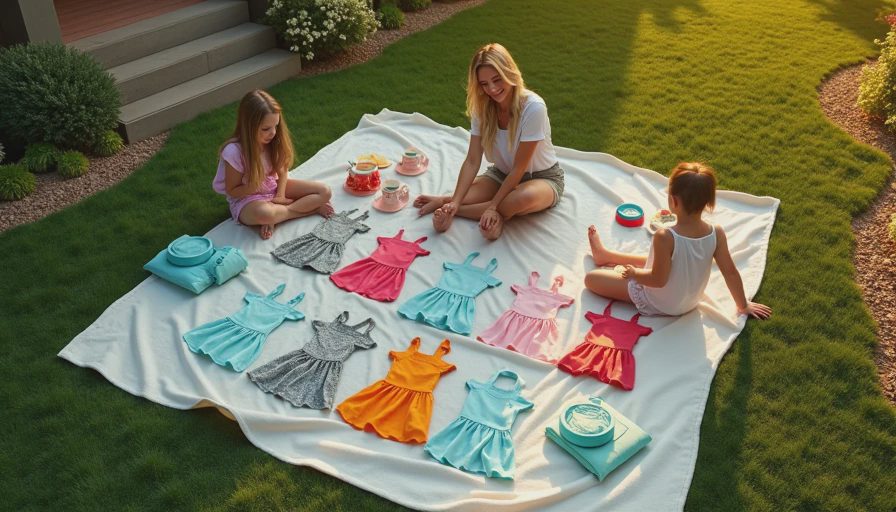
A hanger tells only half the story. Girls dresses should be considered from the child's point of view: Can she sit cross-legged? Can she lift her arms? Does the skirt swing when she turns, or does it catch around her knees? A full skirt can invite motion, while a simple shift creates an elegant, unfussy line. Neither is more correct. The right choice depends on what the child enjoys doing.
Iris, my eight-year-old, once rejected a lovely party dress because its sleeves made her feel trapped when she drew. The replacement had a quieter silhouette, a small gathered shoulder, and enough ease through the armhole for her to sketch comic-strip characters between slices of birthday cake. It was less theatrical on the hanger and far more successful in the world.
Pay attention to proportion. A collar can frame a face, but an oversized collar can become the entire conversation. A dropped waist changes the rhythm of a garment, while a high waist often gives a shorter dress a little more room to grow. The best girls dresses have a visual point of view, but that point of view remains in balance with the child.
Use color as a language
Color is one of the first ways children communicate preference. Rather than sorting girls dresses into seasonal rules, invite a child to notice what each shade does. A faded tomato red can feel energetic without being loud. Marigold warms up in afternoon light. Blue-gray has the stillness of a rainy window, while leaf green can make a simple cotton dress feel connected to the outdoors.
Try placing two or three options beside the child's favorite shoes, cardigan, or hair ribbon. This turns getting dressed into observation rather than performance. Ask, “Which color feels like you today?” instead of asking which choice looks best. The answer might change from Monday to Saturday, and that is useful information rather than indecision.
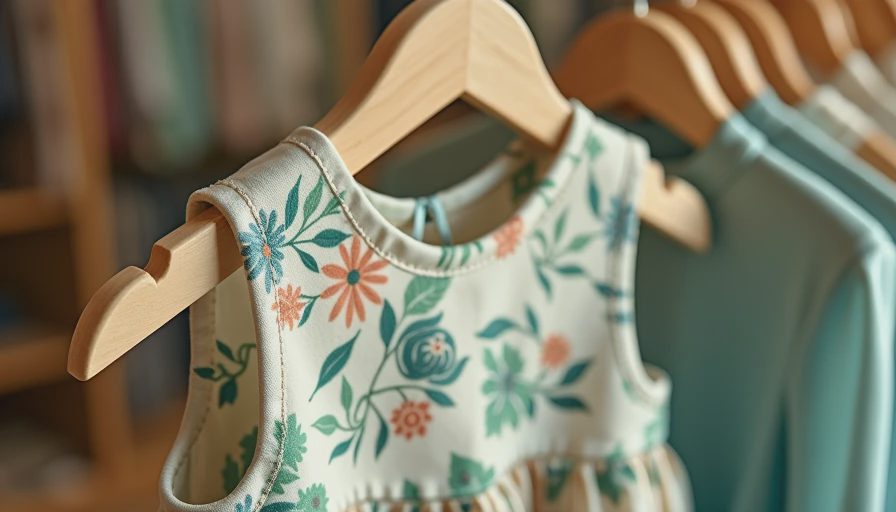
Prints deserve the same attention. A tiny scattered flower reads differently from a large painterly bloom. Stripes can feel nautical, graphic, or wonderfully old-fashioned depending on their width and color. Small illustrations, such as swallows, shells, or strawberries, give a dress a story without requiring a slogan.
Notice the details that earn their place
Decoration should contribute something beyond instant charm. A row of covered buttons creates rhythm down the front. A practical pocket gives a child somewhere to keep a smooth stone. Contrast stitching can sharpen a simple shape, and a fabric-covered belt may offer definition without pinching.
I am cautious with details that exist only for the photograph. Long sashes drag through playground mulch. Rigid sequins catch on car-seat straps. Tiny buttons can become a daily frustration when a child is dressing independently. Girls dresses with thoughtful closures, adjustable straps, and washable finishes often become the pieces parents reach for repeatedly.
Brand names are less important than construction. Hanna Andersson is known for durable, comfortable cotton basics; Tea Collection often brings travel-inspired color and pattern; and independent labels can offer unusually considered fabrics or proportions. Still, inspect each garment on its own. A recognizable label cannot compensate for a poor fit or uncomfortable finish.
Build a small, expressive rotation
A child's closet does not need dozens of options. Four or five useful girls dresses can cover school, weekends, family gatherings, and warmer-weather outings when the colors and layers work together. Begin with one easy everyday shape, one dress with a distinctive print, one warmer option for tights or leggings, and one piece that feels ceremonial without being fragile.
A denim jacket changes the mood of a floral dress. A cardigan softens a sleeveless style for school. Sneakers make a gathered skirt feel ready for the sidewalk, while simple Mary Janes can give the same garment a more polished rhythm. These combinations extend a wardrobe without asking a child to wear the same look twice.
Before buying, consider three practical questions: Can the child put it on with limited help? Will it survive the laundry routine? Does it pair with at least two existing pieces? A dress that answers yes to all three has earned closet space.
Let the child finish the sentence
The most successful girls dresses are not the ones that receive the most compliments from adults. They are the ones a child reaches for because the fabric feels right, the color reflects a current fascination, or the skirt makes an ordinary walk feel like an expedition. Our job is to offer language and possibilities, then listen.
At home, I sometimes lay two dresses on Iris's bed and leave the room. She may choose the striped one, add glittery socks, and put a comic book in the pocket. That combination is not what I would have assembled, but it tells me more about her than a perfectly coordinated outfit ever could.
Look for garments with movement, comfort, and a little imagination built into their seams. Choose quality where the hand and construction justify it, not simply where the price suggests importance. When a child can inhabit a dress instead of managing it, clothing becomes what it should be: a quiet, useful form of self-expression.


No comments yet — be the first to share a thought.