Baby girl bows are small accessories, but they can change the feeling of an entire outfit. A faded rose velvet bow gives a cotton dress the quiet romance of an old picture book; a narrow navy ribbon makes a striped romper feel almost nautical. The point is not to make a child look finished or overly styled. It is to offer one considered detail and leave plenty of room for the child herself to be seen.
I have always thought of accessories as punctuation. A bow can be a comma, a pause, or an exclamation mark, depending on its size and material. When choosing one, start with the child rather than the outfit. Does she pull at stiff clips? Does she like bright color, or does she reach for the softest thing in the drawer? Clothes should speak for the child, not over them.
Choosing Baby Girl Bows by Fabric and Feel
The hand of a bow matters more than its photograph suggests. Cotton poplin has a crisp, tidy shape and works beautifully with everyday dresses, gingham, and lightweight denim. Linen blends have a softer, slightly rumpled character that suits warm-weather clothing, especially in humid places such as Savannah. Velvet absorbs light and looks rich in winter, while grosgrain ribbon has a fine ribbed texture and holds a tailored silhouette.
For a baby, look closely at the back of the accessory. A smooth, securely covered clip is more comfortable than exposed metal, and a soft nylon headband should stretch without leaving a deep mark. Avoid loose embellishments, sharp edges, and poorly finished seams. Babies explore the world with their hands and mouths, so accessories require attentive supervision and should be removed for sleep.
The best baby girl bows are not necessarily the largest or most elaborate. They are the ones that feel pleasant against the skin and stay in place without constant adjustment. A small cotton bow can be more useful than a dramatic satin version if it survives a stroller ride, a snack, and an afternoon nap.
Finding the Right Scale
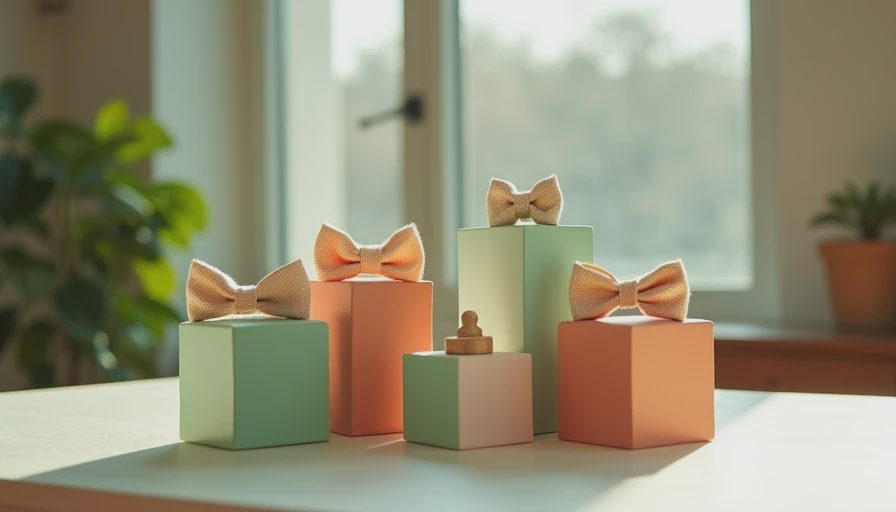
Scale is where many otherwise lovely accessories lose their balance. On a newborn or young baby, a bow measuring roughly two inches across can look graceful without overwhelming the face. As a child grows, wider styles can work, particularly with a simple dress or a low ponytail. The right proportion depends on hair length, face shape, and the visual weight of the clothes.
Consider the whole silhouette. A full smocked dress already has texture and detail, so a narrow bow often feels more harmonious. A plain knit set can carry something wider or more sculptural. If the outfit has a large floral print, choose a solid color pulled from the pattern rather than adding another competing motif. Baby girl bows should frame the outfit, not become the outfit.
Iris taught me this lesson early. At eight, she can assemble a look with the certainty of a seasoned stylist, but she knows when an accessory is trying too hard. Once, she paired a tiny green ribbon with a coral cardigan and a blue skirt. The colors were not conventionally matched, yet the ribbon picked up the green stems in her illustrated skirt. It looked like her, which mattered more than coordination.
Color Beyond Pink
Pink is lovely, but it is not the only language available. Warm cream, tomato red, moss, marigold, ink blue, and dusty lavender each create a different mood. In natural light, a cinnamon-colored ribbon can bring warmth to pale skin tones, while a deep green can make a white collar look sharper. These choices are not rules; they are invitations to notice how color behaves.
When buying baby girl bows, build a small color vocabulary instead of collecting every shade. Three or four dependable colors will work across more outfits than a large pile of near-duplicates. Cream can soften denim, navy can anchor florals, and red can wake up a neutral cardigan. A muted palette also makes room for a child’s louder choices, such as glittery shoes or a bright toy tucked under one arm.
Patterns deserve the same restraint. A checked bow with a checked dress can be charming when the scales are different, but identical checks may flatten the look. Pairing a small floral bow with a solid garment is usually easier. The goal is visual rhythm: one pattern, one textural accent, and enough quiet space for the eye to rest.
Clips, Headbands, and Daily Practicality
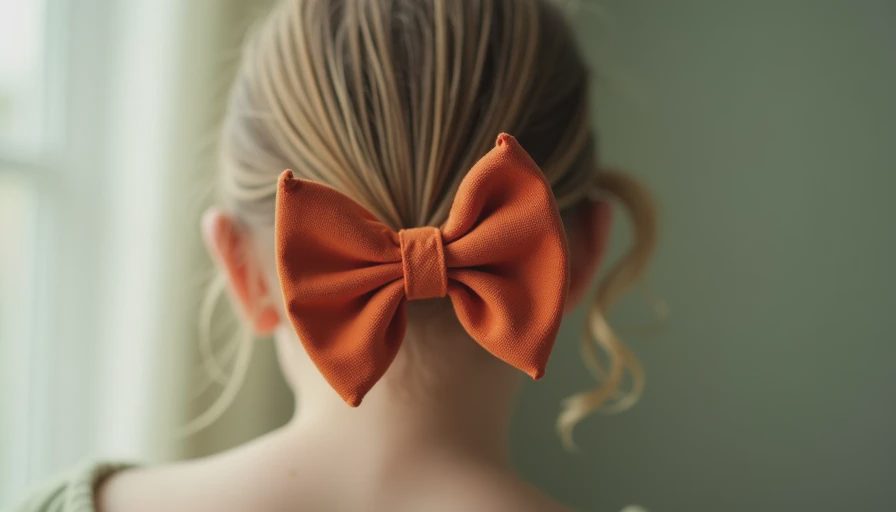
There is no universal best attachment. Clips suit children with enough hair to hold them securely, while soft headbands can work for babies with very fine or short hair. A nylon band is often comfortable because it stretches gently, but inspect it regularly for loose stitching. Alligator-style clips should be fastened near the hairline rather than clamped directly against delicate skin.
For daycare, errands, and long car rides, choose lightweight baby girl bows with a low profile. A large knot may press uncomfortably against a headrest, and a slippery satin finish can require repeated adjustment. For a family gathering or portrait session, a more decorative piece can be beautiful for the brief occasion, then removed when the child begins to rub or tug at it.
Storage helps preserve both the accessory and your morning patience. Keep clips on a small ribbon board or in divided compartments, sorted by color and size. Do not pile velvet beside damp clothing, and keep light fabrics away from dark dyes that could transfer. A collection of ten thoughtfully chosen pieces is easier to use than a drawer full of tangled, forgotten ones.
Styling Baby Girl Bows Without Making an Outfit Feel Costumed
Start with one focal point. If the dress has a Peter Pan collar, let the bow echo its softness rather than compete with it. With a utilitarian romper, a floral ribbon can add a little garden-like delicacy. Overalls, cardigans, and simple pajamas all benefit from a small contrasting detail, especially when the rest of the outfit is made from sturdy cotton or jersey.
The accessory can also echo something outside the clothing. A burgundy bow with polished leather shoes creates a subtle connection, while a yellow ribbon beside a bouquet of sunflowers feels playful without being literal. I often look at picture-book illustrations for this kind of guidance. The most memorable characters rarely wear every color at once; one carefully repeated shade does the work.
Let the child participate as soon as she is able. Offer two choices and ask what each one makes her think of: a berry, a leaf, a ribbon on a present. This turns dressing into observation rather than correction. If she chooses a purple bow with an orange shirt, listen before rearranging the outfit. Personal style begins in these small acts of preference.
A Considered Shopping Checklist
Before purchasing baby girl bows, run your fingers over the fabric and inspect the attachment. Ask whether the piece will suit the child’s current hair and whether it can be worn for more than one occasion. Look for secure stitching, comfortable edges, and colors that connect with clothes already in the closet. A $6 cotton bow that is worn twice a week offers more value than a $24 novelty piece that feels uncomfortable after five minutes.
Think about care, too. Washable cotton is practical for everyday life, while velvet and delicate embellishments may need gentler handling. Read the care instructions and consider whether you have the time for them. The most beautiful accessory is not useful if it cannot survive the rhythm of your household.
Baby girl bows work best when they are part of a child’s visual vocabulary, not a uniform. Choose a few with distinct personalities: one crisp, one soft, one bright, and one quietly unusual. Then watch what she reaches for. Her preference will tell you more than any seasonal trend. That is the buyer’s eye I trust most—the child’s own.


No comments yet — be the first to share a thought.