A baby girl baseball outfit should do more than photograph well beside the snack stand. It should let a child crawl, toddle, wave at the players, and fall asleep in the car without a stiff waistband or scratchy seam interrupting the afternoon. The right combination has a little team spirit, certainly, but it also leaves room for the child’s own personality. Clothes should speak for the child, not over them.
When I picture a good baseball look, I see soft cotton jersey, a sun-faded red or butter yellow, and one charming detail that feels discovered rather than announced. Perhaps it is a tiny embroidered pennant, a contrast binding at the neck, or bloomers with enough fullness for movement. The goal is not a miniature adult uniform. It is a comfortable little composition that works under open skies.
Begin with the fabric, not the graphic
For infants and young toddlers, fabric hand matters more than a clever slogan. Look for combed cotton, cotton jersey, rib knit, or a cotton-linen blend with a smooth surface and some give. Hold the garment at the shoulder and rub the inside seam between your fingers. A soft outer print can still conceal a rough label or bulky stitching on the reverse.
A good baby girl baseball outfit often starts with a cotton romper or a two-piece set. Rompers keep the back covered during stroller rides and make diaper changes straightforward when snaps are placed thoughtfully. Two-piece sets offer more flexibility: a simple tee can pair with denim, corduroy, or a soft skirt later in the season. For a warm afternoon, choose a lighter weight and leave room beneath the arms. Humidity has a way of making an otherwise charming outfit feel like a costume.
The neckline deserves attention as well. An envelope neck expands gently over the head, while a small shoulder opening can make dressing easier for a wiggly child. Avoid decorative buttons at the back if the child will spend time in a car seat or on a blanket. The prettiest detail is not useful when it presses into the skin.
Three ways to build the look
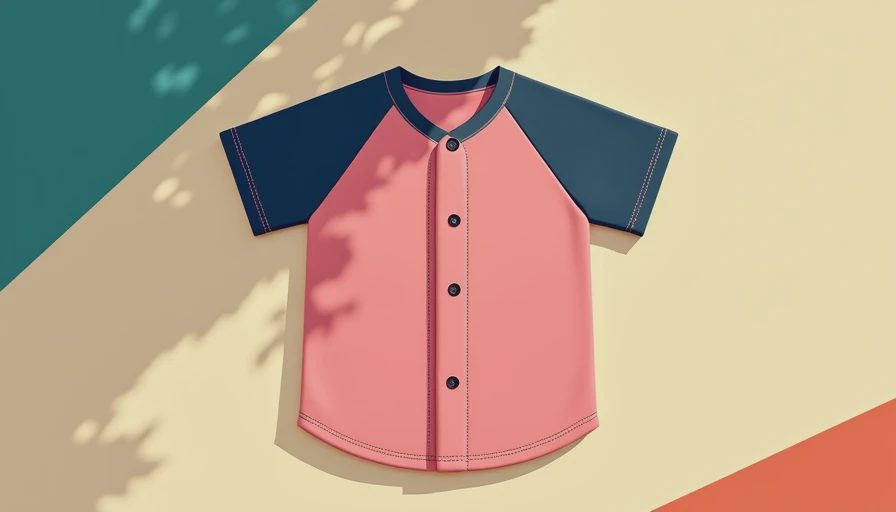
The classic route is a jersey tee with a gathered bottom. Choose a cream, faded navy, or tomato red base, then add bloomers in a quiet stripe. The proportion feels unmistakably baseball-inspired without turning the child into a mascot. A pair of canvas sneakers or soft-sole shoes completes the look, provided they are appropriate for the child’s walking stage.
For a dressier family photo, try a knit dress with a gentle A-line shape and contrast piping at the collar or sleeve. A small appliqué can provide the baseball reference while the silhouette remains useful beyond game day. Add ribbed socks and a lightweight cardigan for an early evening when the temperature falls. The cardigan should open easily and avoid a heavy hood that bunches behind the neck.
The third option is a relaxed set: a boxy tee, pull-on shorts, and a sun hat with a flexible brim. This is the version I favor for an actual afternoon at the field. It gives a child freedom to sit on the grass and provides parents with pieces that can be washed separately. If the weather is bright, a hat with a brim that shades the face is more valuable than another decorative patch.
Color is where the personality enters
Team colors are only a starting point. A baby girl baseball outfit can borrow from the palette of the park without repeating it literally. Try dusty blue with warm ivory, marigold with faded green, or brick red with pale pink. In natural light, these combinations feel softer than high-contrast commercial colors and tend to mix with clothing already in the closet.
I often suggest choosing one strong color and allowing everything else to quiet down. A red cardigan can be lovely over an oatmeal romper, while a navy cap may make a pale yellow dress feel graphic. If the garment already has piping, embroidery, and a printed number, skip the oversized bow. Children deserve visual breathing room, too.
Let the child participate when possible. Offer two shirts and ask which color feels good today. Notice whether the child reaches for a bright shade, a pattern, or the piece with the softest texture. This is not a test of taste. It is a small way to teach that getting dressed can be an act of recognition rather than performance.

Details that earn their place
A thoughtful baby girl baseball outfit has details that work as hard as they charm. Snaps should close without requiring force, and elastic should lie flat rather than twist inside a casing. Check that decorative patches are securely sewn and that drawstrings are absent from toddler garments. A label printed directly onto the fabric is often kinder than a woven tag at the nape.
Look at the hem. A curved or lightly gathered hem can create movement, but it should not be so full that it catches on stroller straps or playground equipment. If you choose a skirt, bloomers or fitted shorts underneath make floor play more comfortable. A dress with hidden snaps is especially useful for younger babies because it preserves the shape while keeping changes practical.
Washability is part of design. Parents should not have to preserve a baseball look like an heirloom. Check the care label before buying, and favor pieces that tolerate a normal cold wash. Cotton can shrink, so a garment with a little growing room is sensible, but oversized sleeves and dragging hems make active play awkward.
Styling for the whole day
The best baby girl baseball outfit can move from first pitch to dinner without a complete change. Start with a base layer that works alone, then add one layer for temperature. In spring, that might be a tee, pull-on pants, and a cardigan. In summer, use a romper with a sun hat and keep a lightweight muslin layer in the diaper bag. For evening games, pack socks, a sweatshirt, and a spare outfit rather than relying on one precious look.
Shoes should follow development, not the photograph. A pre-walker needs softness and flexibility; a new walker benefits from a secure fit and a sole that bends near the toes. Do not size up dramatically for growth. Loose shoes can change the way a child moves and make a grassy surface more difficult to navigate.
For accessories, one is usually enough. A cap, a pair of socks, or a small bandana can establish the mood. Avoid anything that becomes a problem when the child naps. The quietest outfit often looks most beautiful in motion, when the child is reaching for a cracker or applauding a hit.
A simple buying checklist
Before purchasing, consider where the outfit will actually be worn. For a hot outdoor game, prioritize breathable fabric, a covered shoulder, and a hat. For a portrait session, look for a clean silhouette, restrained contrast, and a color that complements the setting. For everyday play, choose separate pieces that can be mixed with existing basics.
Check five things: the inside seams, the ease of diaper access, the stretch at the waist, the care instructions, and the child’s reaction when trying it on. A price of $25 to $60 can buy a beautifully made set, but a higher price does not guarantee a better pattern or softer finish. Independent labels, larger children’s retailers, and resale shops can all offer excellent construction when you know what to inspect.
Most importantly, leave a little room for surprise. Maybe the child rejects the cap and insists on a striped sock. Maybe the shirt is paired with a favorite cardigan in an entirely different color. That is not a styling failure. It is the point. A baby girl baseball outfit is a setting for personality, not a script. Choose comfort, notice the details, and let the child finish the picture.


No comments yet — be the first to share a thought.