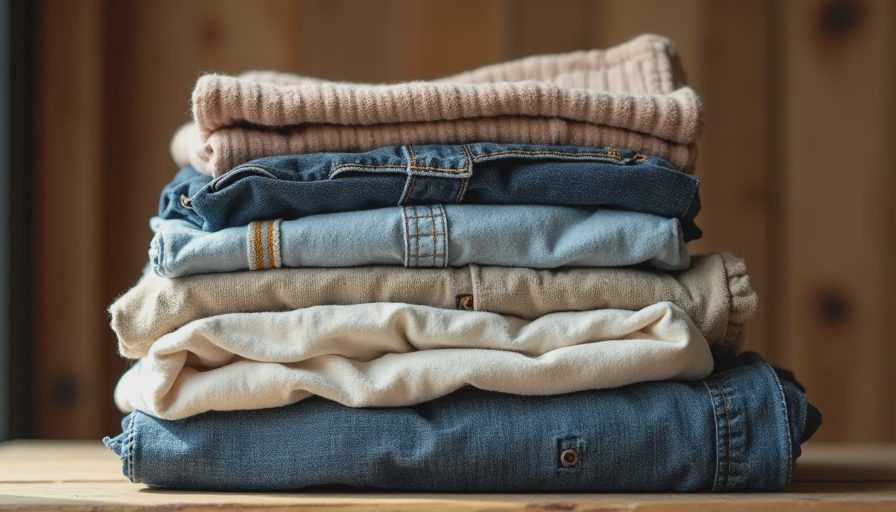
The Annual Closet Audit
Every spring and fall I do a hand-me-down audit. I pull out boxes of clothes from previous seasons and children, examining what survived and what didn’t. After years of this ritual, patterns have emerged that go far beyond luck or coincidence.
The pieces that make it through multiple children share specific characteristics — and they’re not always the ones you’d expect.
The Survivors: Fabrics That Endure
High-quality cotton, particularly organic or long-staple varieties, tops the list. The fabric softens with wear rather than pilling or thinning. It breathes, washes beautifully, and develops that beloved worn-in character.
Corduroy (the substantial kind, not the thin stuff) is surprisingly durable. The wales hold up to playground abuse and multiple washings. Good corduroy actually improves with age.
Well-made denim and sturdy twills survive when cheaper versions fall apart at the seams. The weight and weave make all the difference.
Linen, while it wrinkles dramatically, often lasts beautifully if it’s good quality. It softens over time and tells the story of its adventures through graceful fading and character lines.
Construction Details That Matter Most
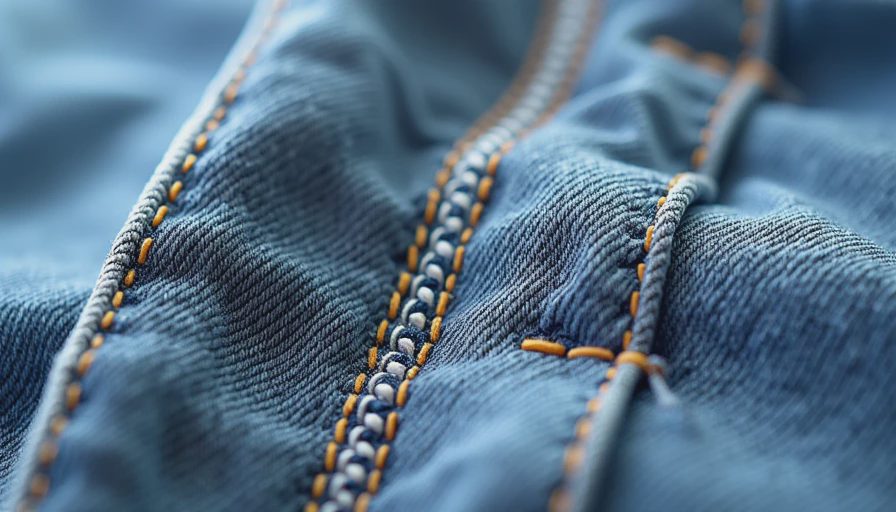
The pieces that survive multiple children almost always have:
Reinforced stress points — especially knees, elbows, and seat areas
Flat-felled or French seams in high-wear zones
Double-needle stitching on hems and shoulders
Quality zippers and buttons that don’t fail after the first few months
Generous pattern grading that accommodates different body types across growing years
These details might add cost upfront, but they dramatically extend the garment’s useful life.
Brands That Consistently Deliver
Certain brands appear repeatedly in our survivor piles:
Those that invest in proper construction rather than just cute prints
Makers who use substantial fabrics instead of paper-thin materials
Companies that test their garments with real children doing real activities
The consistent performers understand that children’s clothes need to work hard — through playgrounds, meals, growth spurts, and multiple owners.
What Doesn’t Survive (And Why)
The casualties usually share these traits:
Thin, cheap synthetics that pill or lose shape quickly
Poorly constructed seams that fray or split
Lightweight fabrics that show every stain and wear mark
Trend-focused pieces with heavy prints that crack or fade
Items with decorative details that break or become hazards
These pieces often look great new but reveal their weaknesses quickly under real use.
The Economics of Durability
A $35 pair of pants that survives three children has a dramatically lower cost per wear than $15 pants that last one season. When you factor in time spent shopping replacements, the math becomes even clearer.
Durability also reduces waste and simplifies decision-making. A smaller wardrobe of quality pieces often serves better than a larger one of disposable items.
Lessons for Building Your Own Survivor Collection
Focus on versatile basics in good fabrics and solid construction. These become the foundation that gets passed down successfully.
Choose items with some growing room or adjustable features when possible. A slightly oversized quality piece often lasts longer than a perfectly fitted cheap one.
Consider color and pattern carefully. Solid colors and subtle patterns age better than trendy prints that date quickly.
The Emotional Value of Hand-Me-Downs
Beyond the practical benefits, there’s something beautiful about clothes that carry stories across siblings. A favorite shirt that survived two older siblings becomes a connection to family history.
Iris loves wearing pieces that belonged to cousins or friends. There’s pride in continuing the journey of well-loved garments.
The Bigger Picture
The hand-me-down audit reminds me that thoughtful purchasing creates ripple effects. When we choose durable, quality items, we reduce consumption, save money long-term, and pass along more than just fabric — we pass along values about care, quality, and conscious consumption.
Clothes should speak for the child, not over them. The ones that survive multiple childhoods get to tell the longest, richest stories.
And those stories, worn soft with love and time, are some of the most beautiful I know.

No comments yet — be the first to share a thought.