The Secret Life of a Kids’ Buyer
Behind the polished displays and perfectly folded stacks at Nordstrom was a much less glamorous process. Every single garment that made it to the floor had survived my checklist first. Not because I was difficult, but because I knew parents trusted us to get it right—and kids would wear (and destroy) these clothes hundreds of times.
Today I’m translating those professional standards into something you can actually use in real life, whether you’re at a boutique, big box store, or clicking “add to cart” at 11pm with a sleeping child on your lap.
The Seven Things That Actually Mattered
1. Fabric That Survives Real Life
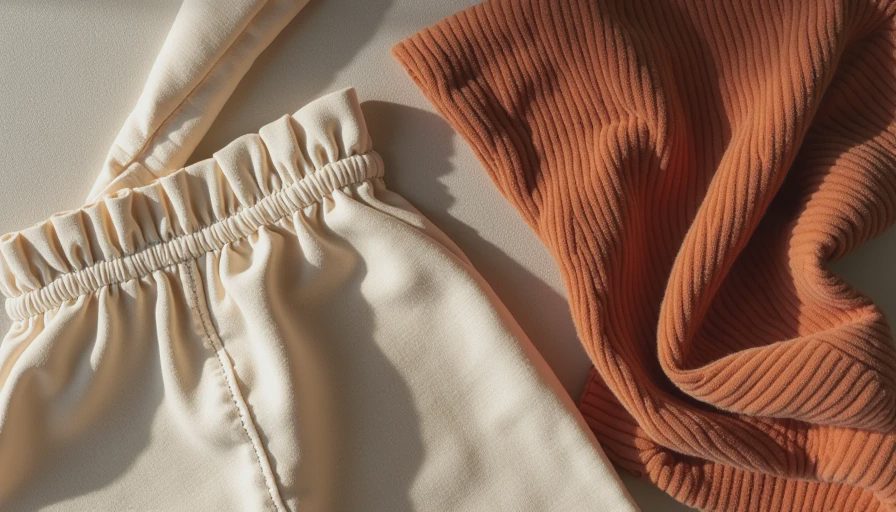
I would rub every swatch between my fingers like a skeptical grandmother. Does it feel soft but not too slippery? Will it pill after three washes? How does it handle Savannah humidity or Midwest winters?
The winners were usually natural fibers done right—organic cotton with a nice weight, linen that softens with wear, or smart blends that added stretch without sacrificing breathability. Cheap synthetics often felt “too smooth” and would trap odors or static. Real talk: if it feels like plastic packaging, it probably behaves like it too.
2. Construction That Holds Up
Turn that adorable little dress inside out. This is where the truth lives.
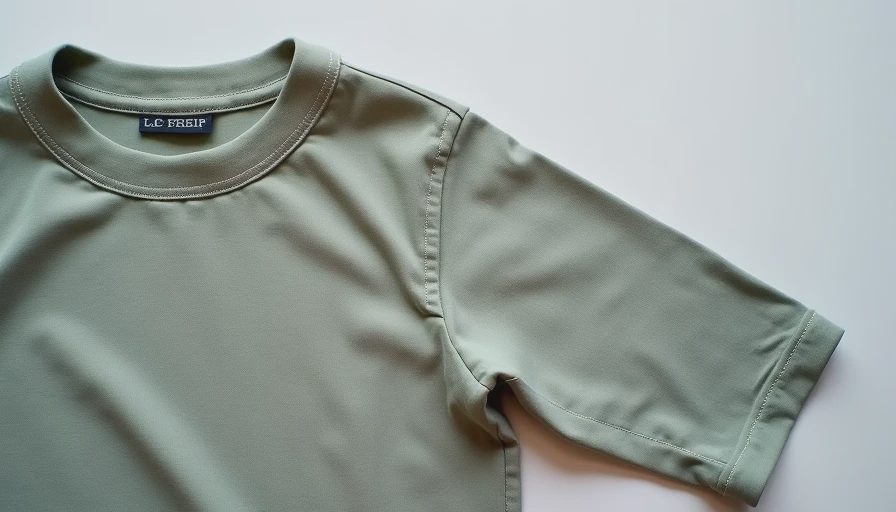
I looked for flat-felled seams on high-stress areas (shoulders, sides, crotch). French seams on delicate fabrics. Reinforced stress points. Buttons with solid shanks instead of cheap plastic that would pop off during a playground victory dance.
One brand I loved used double-needle stitching on hems. Another consistently failed because their side seams were barely holding on by a thread—literally.
3. Pattern Grading Done With Care
This one separates the thoughtful brands from the rest. Good pattern grading means a size 4 doesn’t look like a shrunken size 8. Sleeves fit actual child proportions. Necklines don’t gape. Cuffs actually stay on wrists.
I once rejected an entire line of “cute” shirts because the armholes were so tight that kids couldn’t raise their arms without the shirt riding up like a crop top. Not ideal for an active five-year-old.
4. Color and Print That Age Gracefully
Trends come and go, but some prints age terribly. I favored brands that used deeper, richer colors that could handle fading gracefully instead of bright neons that turned sad after one wash.
The best prints were integrated into the fabric weave or high-quality screen prints that didn’t crack. Avoid anything with heavy plastisol prints on cheap bases unless it’s a costume piece.
5. Details That Serve the Child
Pockets that actually work. Hoods that don’t drown small heads. Tags that don’t scratch (or better yet, printed tags). Closures that small fingers can manage.
I once fought for a line of pants with reinforced knees because I knew they’d be worth their weight in gold for any crawling, climbing kid. Details like this show a brand actually understands childhood.
6. Safety and Practicality
No loose buttons on newborn items. No choking hazards. Zippers with secure pulls. Fabrics that meet safety standards without being treated with questionable chemicals.
As a parent myself, this category became even more personal once Iris arrived.
7. The “Would I Let My Own Kid Wear This?” Test
This was my final gut check. After all the technical details, could I imagine my daughter choosing this piece and feeling like herself in it?
Some beautiful garments failed this test. They were technically perfect but felt too precious, too restrictive, or just not fun.
How to Use This Checklist as a Parent
You don’t need to become a professional buyer. Just develop a few habits:
The Inside-Out Test: Always flip garments inside out in the store. It takes ten seconds and reveals everything.
The Movement Test: Have your child raise their arms, bend over, and sit down in the fitting room. If it’s uncomfortable now, it won’t magically improve later.
The Durability Reality Check: Ask yourself how many times this piece will realistically be worn and washed. A $12 shirt that falls apart after five washes costs more per wear than a $35 one that lasts two years.
The Joy Check: Most importantly, does your child light up when they see it? Technical excellence means nothing if they refuse to wear it.
Real Examples From the Buying Floor
I still smile thinking about the corduroy overalls that became a cult favorite. They passed every test: substantial fabric, excellent construction, thoughtful details like adjustable straps and real pockets. Parents would come back asking for them in every color.
On the flip side, there was the trendy line that looked amazing on the hanger but failed spectacularly in real life—seams splitting, colors fading, buttons disappearing. Beautiful marketing, disappointing reality.
Why This Knowledge Matters Now More Than Ever
Fast fashion has trained us to buy cheap and often. But children grow quickly and play hard. Investing in fewer, better pieces often saves money while reducing decision fatigue and closet chaos.
When you understand what makes a garment good, you shop with confidence instead of anxiety. You can ignore the hype and focus on what actually serves your family.
Building Your Own Buyer’s Instinct
Start with one category—maybe tops or pants—and really examine ten different options. Feel the fabrics. Check the construction. Compare prices per expected wear.
Over time you’ll develop an eye. You’ll walk into a store and know within minutes which racks are worth your time.
The goal isn’t perfection. It’s becoming a more informed, less overwhelmed parent who can spot quality and value even when brands aren’t shouting about it.
The Bigger Picture
Yes, this is about better clothes. But it’s also about respect—for the materials, for the people who make them, and most importantly for the children who wear them.
When we choose thoughtfully, we model something powerful for our kids: that caring about quality and ethics isn’t boring or pretentious. It’s just how we move through the world.
Clothes should speak for the child, not over them. And the best clothes do that while lasting long enough for the message to be heard clearly, wash after wash.



No comments yet — be the first to share a thought.