A baby gown is one of those rare pieces that earns its place through both feeling and function. It is soft enough for a sleepy newborn, simple enough for a middle-of-the-night change, and quietly photogenic without turning the child into a little prop. The right baby gown lets a baby look like a baby: warm, comfortable, and entirely themselves.
When I was buying children's clothing at Nordstrom, I learned to inspect a garment before admiring it. I looked at the fabric hand, the seam placement, the way an opening moved over a small head. Those details matter even more in newborn clothing, where a beautiful idea can become impractical in a single diaper change. Clothes should speak for the child, not over them.
What makes a baby gown feel considered
Start with the fabric. Organic cotton jersey has a gentle stretch and a smooth, familiar hand, while cotton-modal blends can feel especially fluid against sensitive skin. For cooler months, a lightweight cotton interlock offers more substance without becoming stiff. A baby gown should breathe rather than trap warmth, particularly in a heated nursery or a humid Southern summer.
Look at the inside as carefully as the outside. Seams should lie flat, labels should be printed or placed where they will not rub, and elastic should feel secure without leaving a deep mark. Decorative stitching is lovely when it is soft and restrained. A row of tiny shell stitches at the neckline can catch the light beautifully; rough embroidery or a dense applique has no business against a newborn's shoulder.
The best baby gown designs have a visual quietness. A muted clay, washed blue, oat, or leaf green can be more expressive than a busy print. That does not mean every nursery needs neutrals. A clear marigold or faded raspberry can be wonderful in afternoon light. The question is whether the color gives the child room to be seen.
The practical beauty of an easy change
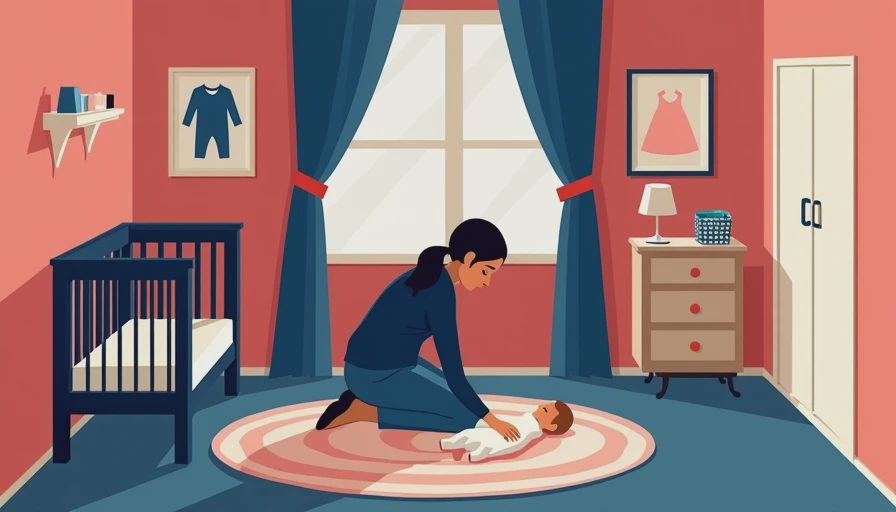
The classic baby gown gathers at the bottom, allowing a parent to lift the hem for a diaper change. This small design decision becomes a genuine kindness at 2 a.m. Look for a generous opening that does not require wrestling the fabric over tiny feet. Some styles use a soft elastic hem; others have drawstrings or snaps. Elastic is usually quickest, while a drawstring can offer a more adjustable fit when it is securely finished and kept away from the baby's face.
A baby gown with fold-over cuffs can also be useful during the earliest weeks. The cuffs protect a face from sharp little fingernails without requiring separate mittens, and they disappear when no longer needed. Check that the fold is roomy enough for movement. A cuff should rest lightly over the hand, not compress the wrist.
Fastenings deserve a close look. Snaps should be firmly attached, with no sharp edges or loose threads. If a style includes ties, examine their length and placement and follow the garment's safety instructions. For sleepwear, choose products labeled and designed for the intended use, and avoid adding loose blankets, ribbons, or accessories to a baby's sleep space.
Size, shape, and the small person inside
Newborn sizing is notoriously brief, and babies do not read the size chart. A gown that fits beautifully on a seven-pound newborn may be short-lived on a long baby with a determined kick. If you are buying before birth, one newborn piece and one 0-to-3-month option usually create a more useful beginning than a drawer full of a single size.
The silhouette should have ease through the chest and hips, but not so much volume that the fabric gathers around the face. A good baby gown moves when the baby moves. Lay it flat and examine the shoulder width, sleeve length, and hem opening. If the body looks narrow or the neckline looks tight before it is worn, it will not improve after laundering.
Iris was a long, narrow baby, and several garments that looked perfect on a hanger became awkward once she stretched her legs. That taught me to think of fit as motion rather than measurement. A baby should be able to curl, extend, and turn the head without tugging at the neckline. Comfort is visible in the way a child settles.
Color and detail without the costume feeling
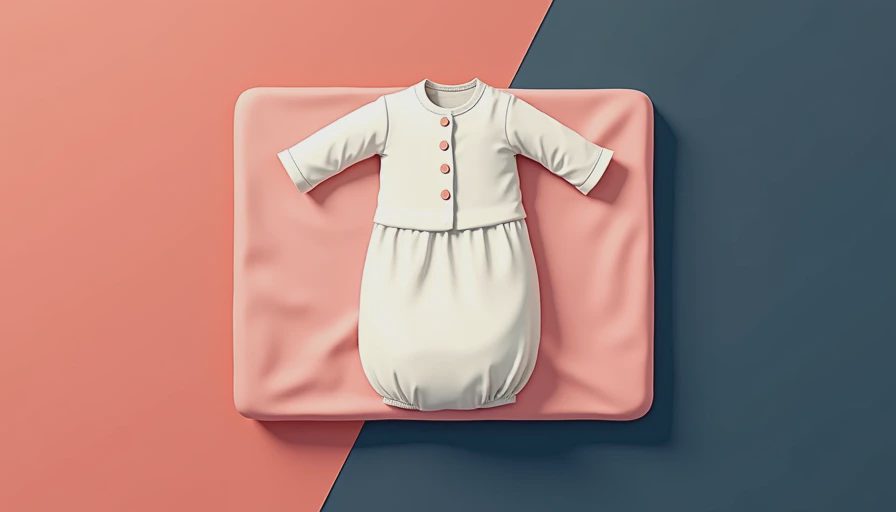
A baby gown can carry a little story. A hand-painted-looking stripe recalls a picture-book blanket; a tiny botanical print feels at home beside a vase of market flowers. Choose details that invite your eye to linger rather than announce a theme from across the room. A narrow ruffle, a rounded collar, or contrast binding can give the garment character while keeping the child at the center.
This is where gender-free dressing becomes wonderfully uncomplicated. A pale pink can be right for one child, a dusky green for another, and neither choice needs an explanation. The garment is a layer of language, not a prediction. Watch what colors your child seems drawn to as they grow. Even very young children develop preferences through repeated sensory experiences: the softness of a fabric, the comfort of a familiar sleeve, the pleasure of seeing a favorite color.
When considering heirloom appeal, resist the temptation to confuse ornament with quality. A baby gown worth saving is usually made from fabric that washes well, has seams that remain neat, and carries a shape that still looks graceful in photographs years later. The most memorable pieces often have one clear idea rather than ten competing ones.
Caring for a gown you want to keep
Wash a new baby gown before the first wear using a gentle, fragrance-free detergent. Follow the care label, since fiber blends and trims respond differently to heat. Cotton jersey may soften in the dryer, but high heat can shrink it or fatigue elastic over time. Air-drying flat or on a drying rack helps preserve shape, especially for a gown with a gathered hem.
Before each wear, run a hand over the inside seams and check snaps, elastic, and cuffs. Babies make small damage surprisingly consequential. Treat stains promptly with cool water rather than aggressive scrubbing, which can roughen soft fibers. If you hope to pass the piece along, store it clean and completely dry in a breathable cotton bag rather than sealed plastic.
A well-made baby gown does not need to be precious. It should withstand milk spills, laundry days, and the beautiful disorder of early parenthood. Its value lies in how naturally it enters that life.
A more thoughtful first wardrobe
Choose two or three gowns in different weights, then add sleepers, bodysuits, and a cardigan according to the season. One light cotton baby gown may be perfect for warm nights, while an interlock version can layer beneath a blanket for supervised daytime cuddling. Variety should serve the routine, not create a miniature department store in the nursery.
Notice what gets worn. If a particular neckline makes changes faster, buy another in that shape. If the baby settles in a certain fabric, let that observation guide the next purchase. A buyer's eye is useful, but your child's daily response is the final authority.
The loveliest baby gown is not necessarily the most elaborate one. It is the piece that feels soft in your hand, opens easily when you are tired, and photographs with the unstudied beauty of a new person becoming familiar to you. Choose with attention, leave room for preference, and let the clothes do their quiet work.





No comments yet — be the first to share a thought.