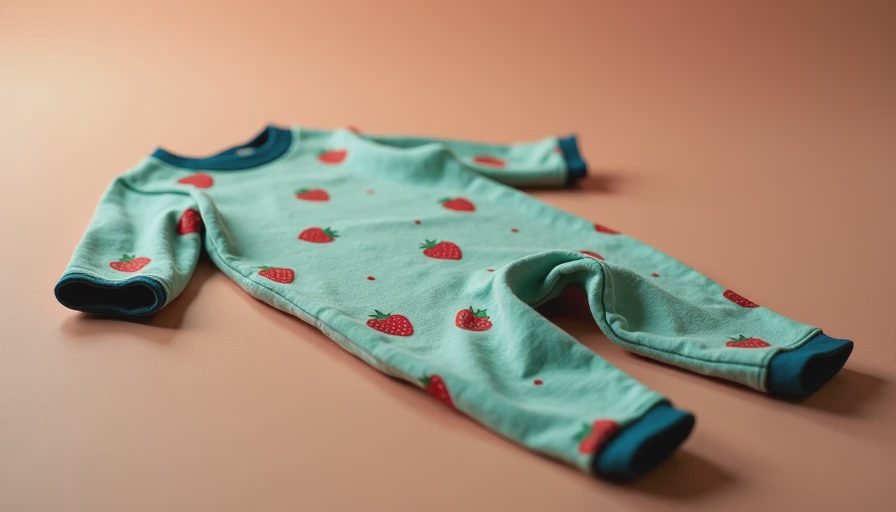
A strawberry outfit can be wonderfully simple: one small red detail, a soft cotton dress, or a pair of printed shorts that makes a child look ready for a page in a picture book. The trick is allowing the idea to remain playful without turning the child into a theme. I look for color, proportion, and fabric first. A strawberry outfit should support a child's movement and imagination, not announce itself before they do.
Begin with the color story
The easiest way to build a strawberry outfit is to think beyond bright red. Strawberries in a garden are not one color. Their leaves are a dusty green, their skin moves from coral to raspberry, and the white blossoms have a warm yellow center. That small palette gives you far more room than a red top with matching red accessories.
Start with one anchor piece. It might be a cream cotton blouse with a tiny berry print, a faded red cardigan, or loose green trousers in a washed canvas. From there, add colors that quiet the look. Oatmeal, denim, soft navy, butter yellow, and warm white all let a berry motif breathe. In natural light, these combinations feel fresh rather than costume-like.
This is also where the child's preference belongs. Iris once chose a strawberry outfit around a pair of metallic silver socks, and the combination was surprisingly lovely. The socks caught the light when she ran through the park, while her muted red jumper kept the whole thing grounded. I would not have assembled it that way. That was precisely why it worked.
Choose fabric that invites movement
Print gets attention, but fabric decides whether the clothes are actually worn. For warm weather, look for cotton poplin, lightweight linen blends, cotton jersey, or gauze with a little texture. These fabrics breathe, soften with washing, and move easily when a child climbs, crouches, or sits cross-legged on the floor. A strawberry outfit made from stiff synthetic fabric can look vivid on a hanger and feel miserable by lunchtime.
Touch the inside seams when you can. A neatly finished neckline, soft elastic, and a flexible waistband matter more than a decorative bow. For dresses, check that the skirt does not become heavy when lined. For overalls and shorts, look for enough room through the seat and thigh. A child should be able to kneel without tugging at the garment.
A good strawberry outfit has a life beyond photographs. It should work at a birthday table, on a library floor, and during an afternoon when the child comes home with grass on one knee. Washable fabric is not a compromise; it is part of thoughtful design.

Make the print the conversation, not the entire sentence
A strawberry print can be tiny and delicate or oversized and graphic. Neither is automatically better. The scale should relate to the child and the garment. Small berries scattered across a collar or pocket feel almost botanical. Large berries on a camp shirt create a bolder, more illustrative effect. On a young child, a larger motif can be charming because it reads clearly. On an older child, a smaller repeat may feel more like a personal discovery.
When the print is busy, simplify the surrounding pieces. A strawberry outfit with patterned shoes, a ruffled headband, and a novelty bag has too many competing voices. Try one printed item with solid separates. A berry-print shirt with straight-leg denim feels relaxed. A red skirt with a plain cream tee lets the color do the work. A green overshirt can make the motif feel garden-inspired rather than sugary.
Details should have a reason. A wooden button, a small embroidered leaf, or a contrast stitch can make a garment interesting up close. Excessive appliques and scratchy sequins often look exciting for five minutes and become the first things a child asks to remove. The best detail rewards attention without demanding it.
Build several outfits from one special piece
The most useful piece in a strawberry outfit is usually the one that can leave the theme behind. Imagine a red cotton pinafore. With a berry-print tee, it becomes clearly seasonal. With a striped top, it shifts toward classic French market styling. With a soft gray sweatshirt and sneakers, it becomes an everyday layer for school or errands. This is how a small wardrobe gains range without becoming crowded.
The same principle works with accessories. A green canvas bucket hat, red canvas sneakers, or a cream cardigan can echo the palette without repeating the fruit. If your child enjoys choosing, place two or three options on the bed and let them decide which story the clothes tell. One child might prefer the garden version; another might want the look to feel sporty or theatrical.
For a party, add texture rather than more decoration. A cotton eyelet sock, a woven sandal, or a lightweight cardigan gives the outfit dimension. For portraits, avoid clothing so bright that it reflects color onto the face. Deep berry and tomato red can be beautiful, but cream, faded rose, or leaf green often photograph with a softer presence.
Use accessories to show personality
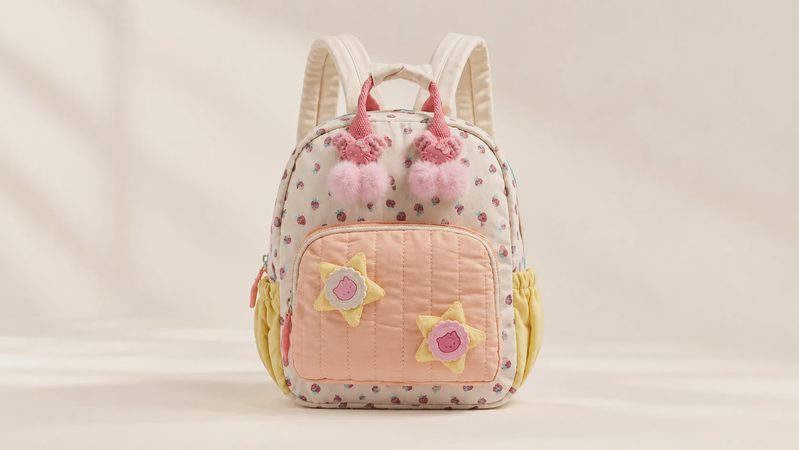
Accessories are where a strawberry outfit can become unmistakably individual. A child who loves drawing might choose a canvas tote with colored pencils tucked inside. A child who dislikes anything fussy might prefer red sneakers and a baseball cap. Someone drawn to old-fashioned details may choose a ribbon, a Peter Pan collar, or a small cardigan with pearl buttons. None of these choices needs to be sorted by gender. The child decides what feels like them.
Keep comfort in view. Hair accessories should stay secure without pulling. Shoes need a flexible sole and enough room at the toes. Jewelry should be lightweight and saved for settings where it will not catch on playground equipment. The most beautiful accessory is one the child forgets they are wearing because it fits their day.
I also like leaving one quiet space in the outfit. If the top has a strong print, let the face, hands, or movement become the focus. Clothes should speak for the child, not over them. That is especially true with a strawberry outfit, since the motif already carries a great deal of sweetness.
A practical styling check before leaving home
Before a child walks out the door, ask whether the outfit allows three ordinary actions: sitting comfortably, lifting both arms, and moving quickly. Then look at the color in daylight rather than only under a bedroom lamp. Red can shift dramatically between warm indoor bulbs and morning sun. A berry shade that feels rich at home may appear orange outside, while a muted green may suddenly look beautifully clear.
Check the weather, too. Layering makes the idea useful across seasons. In spring, try a berry-print tee under denim overalls. In summer, choose a loose cotton dress or shorts with a lightweight tank. In fall, add a rust cardigan and corduroy. Winter can hold the palette in a knit hat, socks, or a small embroidered detail while the main outfit stays warm and practical.
Most importantly, notice what the child reaches for after the clothes are on. Do they spin, climb, draw, or settle into a book? That response tells you more than a mirror does. A successful strawberry outfit gives them a little visual pleasure and plenty of room to be themselves. When the balance is right, the clothes become part of the child's story rather than the whole plot.



No comments yet — be the first to share a thought.