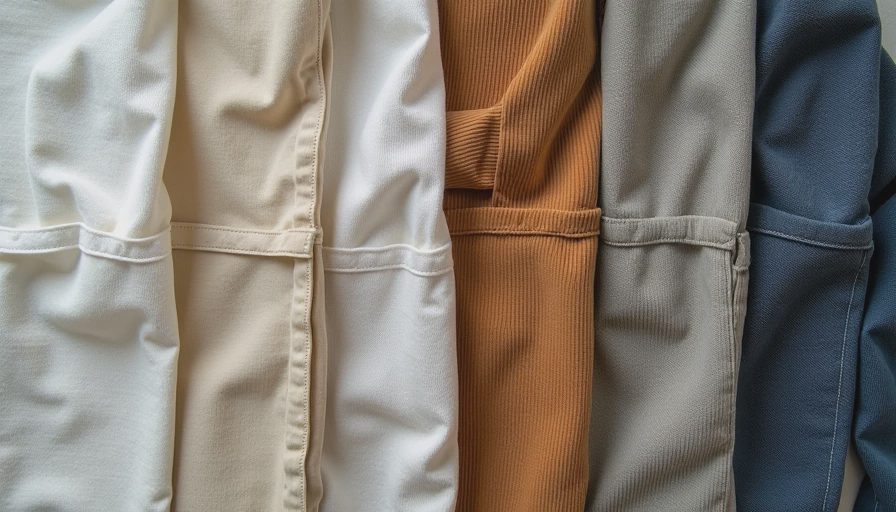
The Day I Realized “Cute” Wasn’t Enough
I was reviewing a new vendor line that looked absolutely adorable on the samples. Perfect colors, charming prints, irresistible details. Then I turned the garments inside out.
What a mess.
Seams were puckering. Threads were loose. Reinforcements were missing in all the places active kids stress most. These pieces would survive maybe ten washes before becoming unwearable. The “cute” factor was high. The quality was not.
That moment crystallized something I’ve been teaching parents ever since: cute is easy. Well-made is what actually matters when your child wears something forty-plus times.
The Five Seams Every Parent Should Know
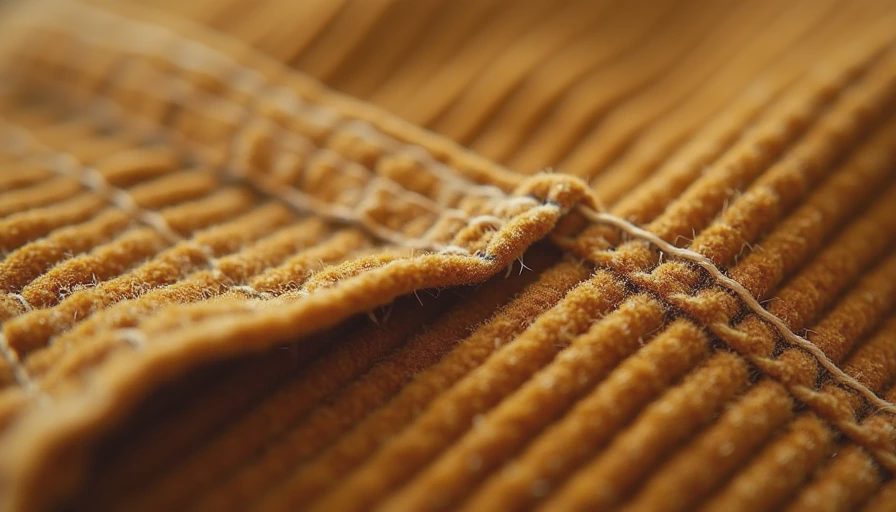
Here are the construction details that separate clothes that last from clothes that disappoint:
1. Flat-Felled Seams
These are the gold standard for high-wear areas like shoulders, sides, and inseams. The raw edges are enclosed and double-stitched, creating a strong, flat seam that won’t fray or irritate skin.
You’ll see them on quality jeans, durable shirts, and well-made pants. When I see flat-felled seams, I know the brand cares about longevity. Iris’s favorite corduroy overalls from two seasons ago still look decent because of them.
2. French Seams
Beautiful and strong, French seams enclose raw edges completely — perfect for lightweight fabrics like linen or delicate cottons. They look clean inside and out.
I loved finding French seams on special occasion pieces or summer dresses. They signal attention to detail and make the garment feel luxurious without unnecessary cost.
3. Overlocked (Serged) Seams
Common in fast fashion because they’re fast and cheap. A single thread loops around the edge to prevent fraying. Fine for low-use items, but they often fail under repeated stress and washing.
The problem isn’t the technique itself — it’s when brands use it on high-stress garments or cheap thread. Quality overlocking with good thread can work, but it’s rarely as durable as flat-felled or French seams.
4. Double-Needle Stitching
Look for this on hems, especially on knits and t-shirts. Two parallel rows of stitching create flexibility and strength. Single-needle hems often twist or pucker after washing.
This small detail makes a huge difference in how long basic pieces stay looking good.
5. Reinforced Stress Points
The best garments add extra stitching or bar tacks at points that get the most abuse — pocket corners, crotch seams, buttonholes, and strap attachments.
These reinforcements might seem minor until your child actually wears the piece. Then they become the reason something survives multiple kids instead of one season.
How to Check Seams in the Store
Turn garments inside out. Run your fingers along major seams. Look for:
Clean, even stitching without loose threads
Proper enclosure of raw edges
Consistent seam allowance
Reinforcement where needed
Don’t be afraid to stretch and tug gently (within reason). Quality construction holds up to normal wear and tear.
Real-World Testing Over Time
The true test happens after the purchase. I track how pieces perform through multiple seasons and wash cycles. The well-made ones become hand-me-down heroes. The cute-but-poorly-made ones become expensive rags.
Iris has a rotation of “survivor” pieces that have been through dozens of washes, playground adventures, and art projects. They’re not always the flashiest, but they’re the ones she reaches for again and again.
Why This Matters for Busy Parents
Understanding construction helps you buy less and buy better. Instead of replacing cheap items constantly, you invest in pieces that actually last through the chaos of childhood.
It also reduces decision fatigue. Once you know what to look for, you can scan racks more efficiently and focus your energy on finding pieces your child will actually love wearing.
The Cost Per Wear Reality
A $15 shirt that falls apart after eight washes has a much higher cost per wear than a $35 shirt that lasts two years. When you factor in time spent shopping for replacements, the well-made option wins every time.
This is especially true for kids who play hard and grow fast. Durable basics become your foundation, with fun pieces layered on top.
Developing Your Eye
You don’t need to become a seamstress. Just start noticing. Compare similar items from different brands. Feel the difference. Look inside. Over time you’ll develop an instinct that serves you well across many purchases.
The best part? You’ll start seeing quality in unexpected places — small boutiques, certain big-box basics, and independent makers who prioritize construction over trends.
Beyond the Seams
Construction is just one part of the equation. Fabric quality, thoughtful design, and ethical production all matter too. But seams are an excellent starting point because they’re visible and revealing.
When you choose well-made garments, you’re voting for better standards in children’s clothing. You’re teaching your kids that how something is made matters. And you’re saving yourself money and frustration in the long run.
Clothes should speak for the child, not over them. But they can only do that if they survive long enough to tell the story.
The difference really can be found in just five seams — if you know what to look for.



No comments yet — be the first to share a thought.