A boys suit set can be beautifully considered without turning a child into a small, solemn adult. The right combination has a little movement in it: a jacket that opens when a child runs, trousers that survive sitting cross-legged, and a color that looks alive in afternoon light. When parents search for a boys suit set, they are often trying to solve a practical question for a wedding, holiday portrait, school concert, or family gathering. The more interesting question is how the clothes can support the child who will wear them.
Clothes should speak for the child, not over them. That means beginning with comfort, proportion, and the child's own response to color or texture. A polished outfit does not require a stiff collar, a shiny synthetic finish, or a miniature version of an adult business suit.
Start with the Occasion, Not the Costume
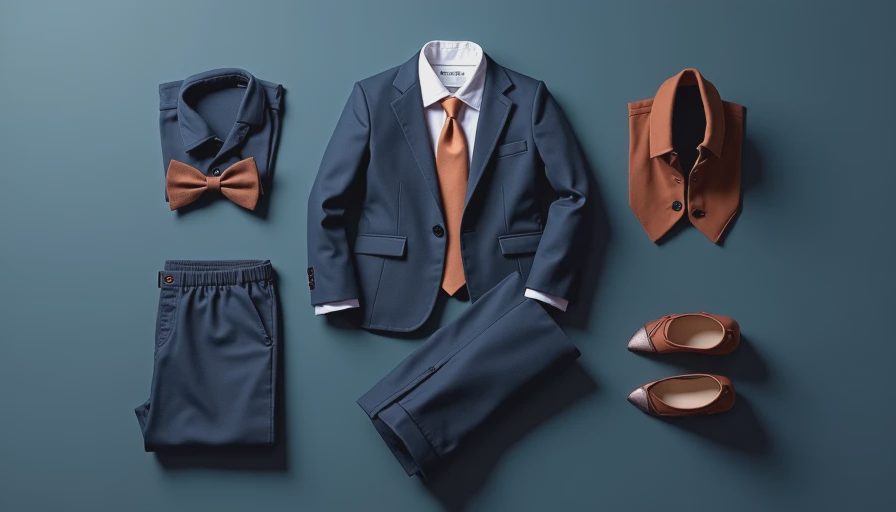
A suit for a summer garden wedding has a different visual language from one for a December ceremony. In warm weather, linen-cotton blends, lightweight seersucker, and unlined cotton tailoring allow air to move through the garment. A soft blue, warm sand, olive, or faded tobacco tone can feel festive without looking formal in a corporate way. For cooler months, brushed wool blends, corduroy, or a fine flannel bring depth and warmth.
For a boys suit set intended for a wedding, consider the setting before adding accessories. A pale shirt and loafers might be enough for an outdoor afternoon. A knit tie, velvet ribbon, or textured pocket square can add character to an evening event. The child does not need every available detail. One memorable element usually has more charm than five competing ones.
School performances and holiday gatherings offer more flexibility. A blazer with trousers in different colors can be worn again, which gives the purchase a longer life. A navy jacket with gray trousers, for example, can later pair with jeans or a simple cotton shirt. That is good design and good stewardship of a family wardrobe.
Read the Fabric Before You Read the Label
When I handled children's clothing as a buyer, I learned to turn garments inside out almost immediately. The inside tells you whether the maker thought about actual movement. Look for smooth seam finishing, a comfortable lining, and waistbands that do not bite when a child sits. Pull gently at the jacket underarm. It should offer some ease rather than hold the arm in a narrow tube.
A boys suit set made from 100 percent polyester may photograph neatly, but it can feel warm, slick, and noisy after an hour of wear. That does not make synthetic fiber automatically wrong; recycled polyester can be useful for wrinkle resistance and easy care. The question is whether the fabric has breathability and a pleasant hand. A cotton blend with a little elastane in the trousers is often more forgiving than rigid woven fabric.
Check the care instructions, too. If the set requires specialist cleaning after every event, it may become an expensive burden. Machine-washable separates are especially valuable for younger children, whose formal clothes are likely to encounter frosting, grass, and the mysterious spill that appears five minutes before photographs.
Fit Should Leave Room for a Real Day
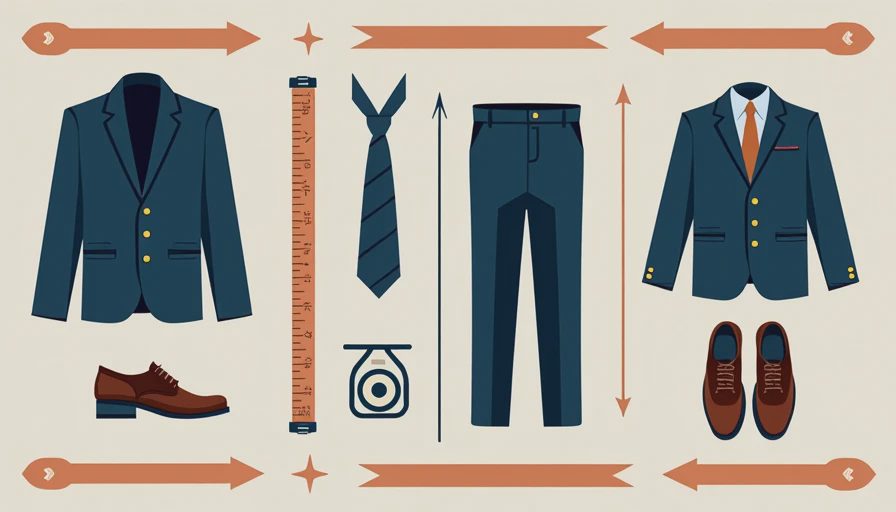
The best boys suit set does not fit like a costume at the moment of purchase. The jacket shoulder should sit close to the child's natural shoulder without extending dramatically past it. Sleeves generally look balanced when they reach the wrist bone, allowing a small amount of shirt cuff to show. Trousers should skim the shoe rather than pool heavily at the ankle.
Do not size up by several years simply to stretch the budget. Oversized shoulders are difficult to disguise, and excessively long trousers can make a child look uncomfortable before they say a word. Instead, look for adjustable waist tabs, generous hems, and sleeves that can be altered by a tailor. A one-inch hem adjustment is often useful; a collapsing shoulder is not.
Have the child sit, walk, raise both arms, and take a few deep breaths during the fitting. If the jacket pulls across the back or the waistband leaves a red mark, the garment is telling you something important. Their body is the final fitting room, and it deserves a vote.
Color Is a Conversation
Navy is dependable, but it is not the only thoughtful choice. Mushroom gray can be soft and architectural. Forest green feels grounded against autumn leaves. Rust, cream, and muted blue can make a boys suit set look especially beautiful in natural light. Black has its place, yet it can read more severe on a young child than charcoal or ink blue.
Invite the child into the color decision without turning shopping into a performance. Try language such as, Which color feels most like you? or, Do you like how this changes near the window? Those questions teach observation rather than compliance. A child who chooses a quiet green jacket may be expressing something more personal than a preference for a trend.
Iris once rejected a perfectly lovely navy cardigan because she said it made her look like a waiting room. Her alternative was a brown-green shade that seemed ordinary on the hanger and luminous outdoors. She was right. Children notice atmosphere quickly when adults give them room to name it.
Build the Outfit Around Useful Separates
A boys suit set becomes more practical when each piece can live beyond the original occasion. A jacket should work with a striped T-shirt, dark denim, or corduroy trousers. Suit trousers can soften with a chunky sweater or a collarless shirt. If the set only works as a complete uniform, it is asking a family to store an outfit rather than build a wardrobe.
Start with the shirt. A soft cotton poplin is crisp without being abrasive, while brushed cotton feels gentler for children who dislike formal textures. For a more relaxed mood, replace the traditional dress shirt with a fine-gauge knit polo. The collar still frames the face, but the fabric moves more naturally.
Shoes should support the same level of formality. Clean leather sneakers can make tailoring feel modern and childlike. Loafers, lace-up derbies, or simple Mary Jane-style shoes can work when the child enjoys structured footwear. Avoid an accessory that requires constant adjustment. A child should be able to dance, climb a step, or kneel beside a flower bed without asking an adult to rescue the outfit.
A Simple Buying Checklist for Parents
Before purchasing a boys suit set, look at five details in sequence. First, ask whether the child can move comfortably. Second, inspect the fabric in daylight rather than relying on a highly edited product photograph. Third, check whether the jacket and trousers can be worn separately. Fourth, read the care label and consider the likely cost of maintaining the clothes. Finally, ask whether the child recognizes something of themselves in the color, shape, or texture.
Price can help explain construction, but it is not a substitute for judgment. A $75 set with a flexible waistband and washable fabric may serve a family better than a $250 set with delicate trim and a rigid cut. On the other hand, a well-made jacket in the $120 to $180 range can earn its place through repeated wear if its seams, buttons, and lining are sound. Look at the garment, not just the number.
Let the Child Finish the Picture
Styling is complete when the child can forget about the clothes. That might mean leaving the jacket open, skipping the tie, rolling a sleeve once, or choosing brightly colored socks. These small decisions keep formal dressing from becoming a demand to disappear inside someone else's idea of elegance.
The most successful boys suit set is not the one that receives the most compliments from adults. It is the one that lets a child stand comfortably in a photograph, chase a cousin across a lawn, or listen to music without tugging at a collar. Begin with quality, make room for movement, and let the child add the final line. That is where personal style begins.


No comments yet — be the first to share a thought.