Boys suits are often treated as a checklist item: jacket, trousers, shirt, done. But a suit can be something more tender and expressive than that. It can give a child the pleasure of a new texture, a favorite color, or a silhouette that makes them stand a little taller without making them look like a miniature adult. The right one leaves room for movement, mischief, and personality. Clothes should speak for the child, not over them.
Begin with the occasion, not the picture
Before looking at lapels or buttons, ask where the suit will live. A wedding in a garden asks for a different cloth than a winter concert, a family portrait, or a school ceremony. A lightweight cotton-linen blend feels at home in warm weather, especially in a place like Savannah where formal clothing can become uncomfortable quickly. Wool or a wool blend has more structure and drape for cooler months, while a soft cotton twill can be a sensible choice for a child who will wear the pieces separately afterward.
Think about the hours, too. Will the child sit through a ceremony, run across grass, eat cake, and pose for photographs? Boys suits with a little ease through the seat and thigh will look polished longer than an extremely narrow cut. The jacket should close without pulling across the chest, and the sleeve should allow a visible shirt cuff without swallowing the hand. A tailor can adjust a hem or sleeve, but no alteration can turn a rigid fabric into a comfortable one.
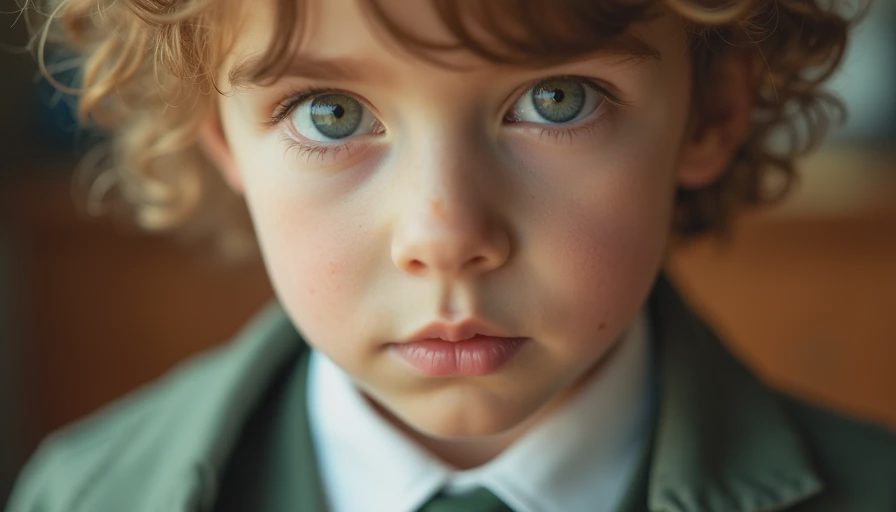
Color deserves the same attention as fit. Navy is versatile, charcoal is quietly handsome, and warm sand or olive can feel lovely in afternoon light. Black has its place, but it can look severe on a small frame unless softened with an open collar, a patterned shirt, or a textured knit tie. Let your child respond to the color. If they reach for a deep green jacket because it reminds them of moss after rain, that is useful information, not a distraction.

The buyer’s eye: fabric, seams, and proportion
When I examine boys suits, I begin with the fabric hand. Run two fingers over the cloth. Does it feel dry and papery, or does it have a gentle spring? Hold it near a window. Good fabric reveals depth in natural light rather than appearing flat and shiny. A small amount of elastane can help with movement, but stretch is not a substitute for thoughtful patternmaking.
Look inside the jacket. Smooth lining can make dressing easier, yet a half-lined or unlined construction may breathe better for summer. Seams should lie flat, buttons should be securely attached, and the trouser waistband should sit comfortably without digging in when the child bends. A working button cuff is not essential for children; a clean, adjustable sleeve often offers better value because growth is inevitable.
Proportion is where many boys suits lose their charm. An oversized jacket can make a child look hidden inside clothing, while trousers that pool heavily at the ankle interrupt the line of the outfit. Aim for a shoulder that ends close to the child’s own shoulder, a jacket length that covers the seat, and trousers with a modest break at the shoe. The result should look intentional, not borrowed from an older sibling.
Fit should support movement
Have your child try the complete outfit, not only the jacket. Ask them to raise both arms, sit in a chair, walk quickly, and reach toward the floor. These small tests reveal more than a mirror does. If the collar lifts away from the neck, the jacket may be too large or poorly balanced. If the trousers pull at the pockets, the cut is probably too slim or the size is too small.
For boys suits, an adjustable waistband is one of the most useful details. It allows the trousers to stay in place through a long event and gives the garment a longer life. Flat-front trousers create a clean line, while pleated trousers can offer more room and a softer, slightly old-fashioned character. Neither is automatically better. The child’s comfort and natural movement should decide.
Shoes change the reading of the entire suit. Brown loafers make navy feel relaxed; simple black lace-ups sharpen charcoal; clean canvas sneakers can make a linen suit feel more like the child who wears it. Ask whether the shoes are part of the child’s everyday vocabulary. Formal clothes become more convincing when one familiar element remains.
Styling without turning the child into a costume
The best styling choices are often quiet. A pale blue shirt brings out the cool notes in navy. A striped shirt gives a solid suit a little rhythm. A knit tie has softness and does not demand the stiff precision of a traditional silk tie. For a child who dislikes neckwear, an open collar under a fine cardigan or an unbuttoned jacket can still feel complete.
Accessories should have a reason. A pocket square in a color borrowed from the flowers at the event can be beautiful, but a child does not need a collection of decorative extras. One small detail, such as a patterned sock or a favorite enamel pin placed on a lapel, can carry more personality than a full set of coordinated accessories.
When styling boys suits, I like to begin with one anchor: the jacket, a special pair of shoes, or a color the child already loves. Build outward from there. This prevents the outfit from becoming too polished to belong to anyone. Iris once chose a navy jacket with bright yellow socks for a family portrait. The socks were not part of my original plan, but they were the detail that made the photograph feel like her.
Buying for the life after the event
A suit earns its place when the pieces can separate. Wear the jacket over chinos, pair the trousers with a sweater, or use the shirt beneath denim. Before purchasing, imagine at least three future outfits. If you can see only one formal occasion, consider borrowing, buying pre-owned, or choosing a blazer and trousers rather than a matching set.
Quality does not always mean the highest price. A $90 cotton blazer with a good shoulder and strong seams can be more useful than a $250 jacket with fragile trim. Brands such as Zara Kids, J.Crew Crewcuts, and Appaman offer different approaches to occasion dressing, but the label matters less than the fabric, construction, and return policy. Independent children’s boutiques can also be valuable because staff often understand how a garment fits across several body types.
Measure the child’s chest, waist, inseam, and shoulder-to-wrist length before ordering online. Keep those measurements beside the brand’s size chart rather than relying on age alone. Children grow unevenly, and a seven-year-old can have the proportions of an eight-year-old in one garment and a six-year-old in another.
A small dressing ritual
Try the outfit on several days before the event. Let the child sit, move, and decide whether the collar feels scratchy or the waistband slips. Remove tags only after this test. Steam the jacket instead of ironing directly over a delicate finish, and pack it on a broad hanger so the shoulders keep their shape.
Most importantly, invite an opinion. Ask, “What part feels most like you?” rather than “Do you like it?” The answer may be the blue lining, the roomy trousers, or the fact that the jacket makes it easy to spin. Those observations teach a child to notice hand-feel, color, and proportion for themselves.
The loveliest boys suits are not the ones that command attention from across a room. They are the ones that become part of a child’s story: a jacket worn while chasing bubbles, trousers creased after dancing, a color remembered years later from a sunny afternoon. Choose with an attentive eye, then leave enough space for the child to finish the picture.


No comments yet — be the first to share a thought.