Back to school clothes have a particular emotional weight. They are not simply smaller versions of adult outfits, lined up for a photograph on the first morning. They are the clothes that meet a child at the classroom door, through long afternoons, grass-stained recess, art projects, and the sudden weather changes of September. The right pieces should support a child's movement and preferences without turning the closet into a performance.
I think of a school wardrobe as a small visual vocabulary. There should be soft sentences, practical punctuation, and a few surprising exclamation points. A faded red sweatshirt might be the sentence your child repeats all season. A checked overshirt can become punctuation. A silver sneaker, if chosen by the child, may be the exclamation point. Clothes should speak for the child, not over them.
Start with the child, not the supply list
Before opening a retailer's website, watch what your child already reaches for. Do they choose clothing that sways, like a cotton skirt or wide-leg pant? Do they prefer the quiet structure of a chore jacket, or the enveloping comfort of a hoodie? These details are more useful than a generic checklist divided into categories.
Ask questions that invite observation rather than approval. Which color feels good in the morning? Is there a sleeve length that gets in the way? Would you rather have a pattern that catches the eye or a solid color that lets your shoes do the talking? A child who helps answer these questions is learning to name texture, proportion, and mood.
For younger children, offer two or three complete possibilities rather than an entire closet. For older children, let them make combinations and then test those combinations against the day ahead. Back to school clothes work best when a child can put them on independently, sit comfortably, carry a backpack, and move through recess without constant adjustment.
Build around fabric and fit
The hand of a fabric tells you a great deal before the first wash. Cotton jersey should feel smooth rather than thin and limp. Woven cotton can add shape to a button-down or pair of pull-on pants, while a little elastane in denim or leggings gives a child room to bend. In warmer places such as Savannah, breathable cotton, linen blends, and lightweight French terry are especially useful because they do not trap as much heat.
Look closely at seams. Flat seams are kinder to sensitive skin, and reinforced knees make a noticeable difference for children who spend recess on the ground. Waistbands should sit securely without digging. A sweater collar should recover after stretching, and a zipper should move cleanly without catching the lining. These are quiet quality signals that matter more than a decorative label.
Fit should leave space for motion, not merely extra length. Oversized sleeves can drag through lunch, while trousers that are too long create a constant trip hazard. A hem that can be let down by an inch is useful; a garment so large that the child disappears inside it is not. The best back to school clothes look considered while still allowing the body underneath to be completely itself.
Create a working color story
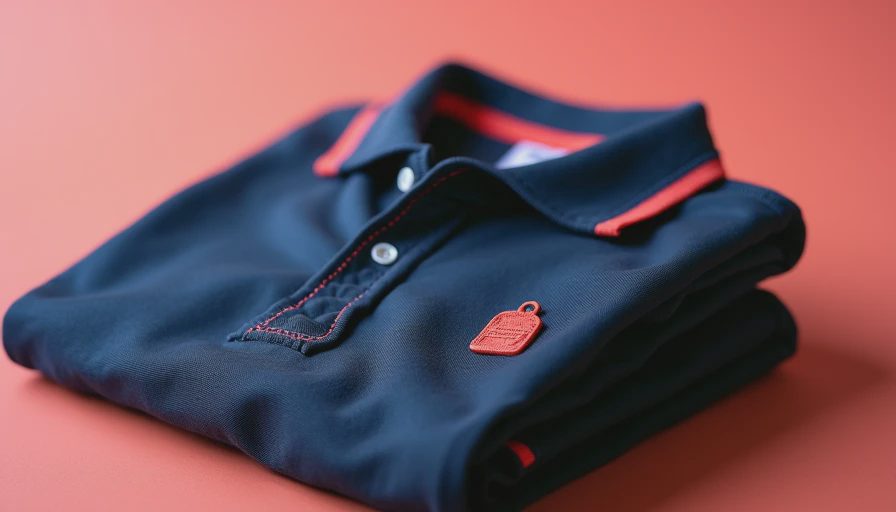
A useful school closet does not need to be neutral. It needs to be coherent enough that dressing does not require a daily negotiation. Choose three or four anchor colors your child genuinely enjoys, then add one or two livelier shades. Navy, cream, olive, and rust create a grounded palette; cobalt, marigold, or lilac can change its temperature completely.
Pay attention to how colors behave in natural light. A soft green may look gray indoors and leafy outside. Brick red can feel warm beside denim but surprisingly formal with black. Let your child see these shifts. I often place two garments near a window and ask which one feels more like them. That simple pause turns shopping into visual education.
Patterns deserve the same thought. A small check, narrow stripe, or hand-drawn floral can mix easily with solids. A large graphic may be exactly right if it reflects a genuine interest rather than a passing marketing theme. There is no need to eliminate contrast. Just give the eye somewhere to rest.
Buy fewer pieces with more lives
The most successful back to school clothes are not the ones that create a single perfect outfit. They are the ones that can travel through several versions of a week. A cotton overshirt can sit over a T-shirt, under a vest, or open above a dress. Pull-on chinos can work with sneakers for school and boots for a weekend walk. A simple knit cardigan can soften a patterned outfit without making it feel precious.
Before buying, imagine at least three combinations with what already exists in the closet. Consider whether the item works with the shoes your child actually wears, not the pair you hope they will wear. Think about laundering, too. Machine-washable clothes with colorfast fabric are kinder to family life than pieces that require an elaborate care ritual.
Brands such as Primary, Hanna Andersson, Tea Collection, and Uniqlo often offer practical basics at different price points, but a brand name is never a substitute for inspection. A $22 shirt with a durable knit and sensible cut may earn more wears than a $70 shirt with a delicate finish. Value lives in the number of useful days a garment can provide.
Make the first week easy to wear
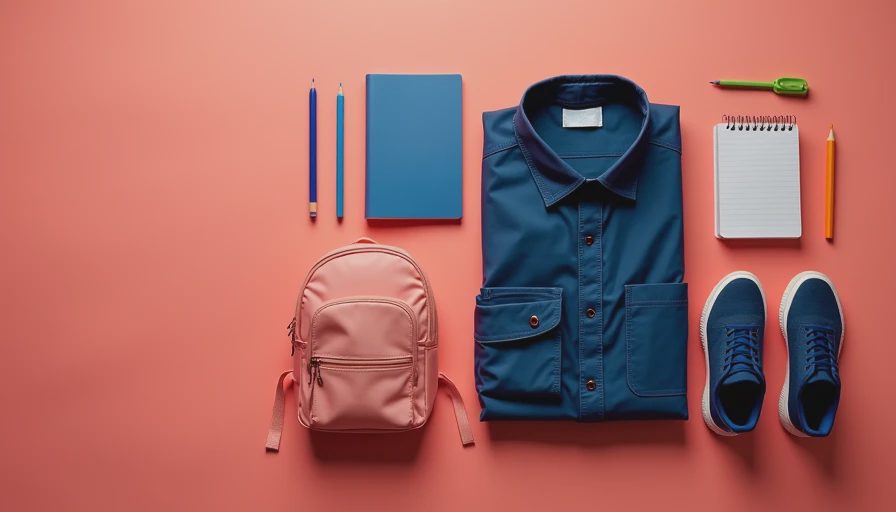
A child should not have to solve a complicated styling puzzle before breakfast. During the week before school begins, try on likely outfits and notice where the friction appears. Is the button difficult? Does the waistband roll? Do the socks slide down? Is a decorative seam irritating after ten minutes? Solve those problems while there is still time to exchange or alter a piece.
Create a small rail or drawer of ready choices for the first few mornings. Include complete combinations, but leave room for substitution. If the weather turns warmer, the long-sleeved shirt should have a short-sleeved companion. If a child rejects a planned outfit, do not make the disagreement larger than the garment. Offer a different color or silhouette and move on.
Shoes deserve a practical trial as well. Have your child walk, climb stairs, and kneel in them. Look for a flexible sole, secure fastening, and enough toe room. A polished pair that causes blisters is not a successful purchase, however beautiful the leather may be.
A thoughtful shopping plan for parents
Start by taking inventory. Remove anything that no longer fits, irritates the skin, or has become impossible to coordinate. Then count the real gaps: perhaps two everyday bottoms, three short-sleeved tops, one warmer layer, and clothes for physical activity. This prevents the familiar panic purchase, when an attractive item enters the cart simply because the closet feels undefined.
Set a budget by category rather than chasing an arbitrary number of pieces. Spend more where construction matters, such as outerwear, shoes, and trousers that receive hard wear. Save on playful T-shirts and accessories that your child may outgrow aesthetically before they outgrow them physically. Secondhand stores and clothing swaps can be excellent sources for sturdy denim, wool sweaters, and special colors.
Finally, invite your child into the last decision. You can explain why a fabric breathes, why a seam may bother them, or why one jacket layers better than another. They can tell you whether the garment feels like a costume or like themselves. That exchange is the real purpose of a wardrobe edit.
Let the closet become a language
The most beautiful back to school clothes are not necessarily the newest or most expensive. They are the pieces that make room for a child's gestures, obsessions, comfort, and changing mind. A carefully chosen wardrobe might include a bright sweatshirt, a quiet pair of corduroys, a dress with pockets, and sneakers marked by ordinary play. Together, they tell a truer story than a perfectly matched set ever could.
On the first school morning, Iris often changes one small detail at the last minute: a glittery sock, a ribbon tied at the wrist, or a cardigan worn backward until she reaches the car. I have learned not to correct every improvisation. Style is partly the ability to notice what feels right and trust that observation.
Choose garments with a generous hand, useful construction, and enough visual character to meet your child halfway. Leave space for experimentation. The closet should offer guidance, not a script. When clothing supports the person wearing it, the school day begins with one less thing to push against.


No comments yet — be the first to share a thought.