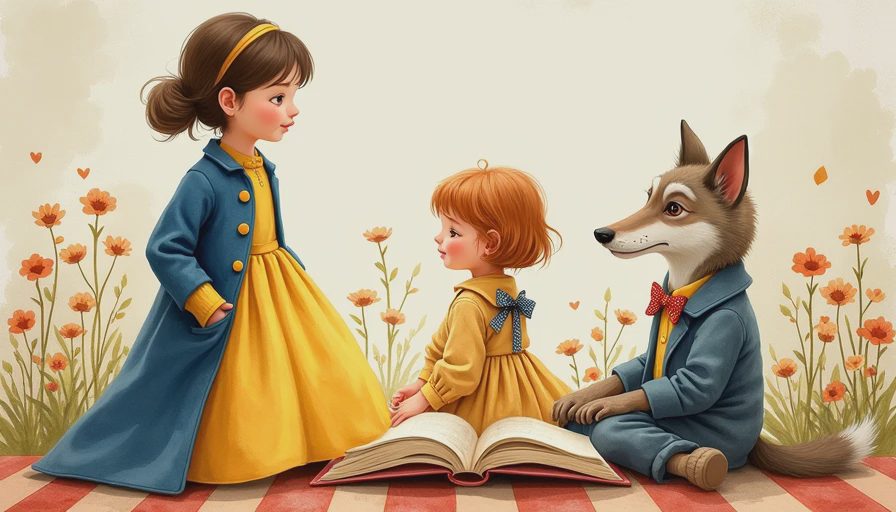
The Bookshelf as Style Teacher
Long before I became a buyer or a mother, I was a child who noticed what characters wore in picture books. The clothes on the page told stories just as rich as the words. Years later, as I watch Iris develop her own sense of style, I find myself returning to those beloved books with new appreciation.
Picture books offer some of the purest examples of children’s style — unselfconscious, imaginative, and deeply personal.
Madeline: The Power of Uniformity
Ludwig Bemelmans’ Madeline wears a simple yellow dress with a blue coat and hat. The uniform of the twelve little girls in two straight lines is iconic for a reason. It’s practical, recognizable, and allows the personality of each girl to shine through despite the shared clothing.
Madeline herself stands out not because she dresses differently, but because of her spirit. Her clothes support her adventures rather than defining them. There’s wisdom in that approach — clothing as a reliable foundation for a bold life.
Eloise: Unapologetic Individuality
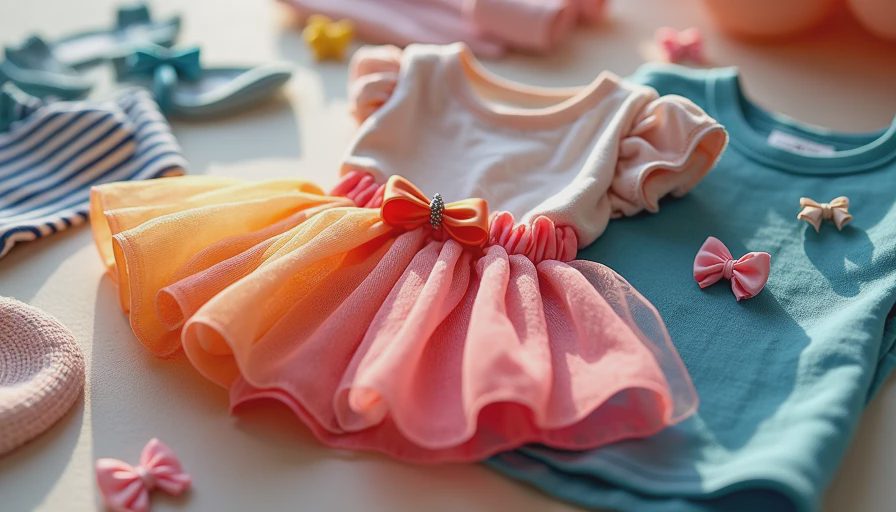
Eloise at the Plaza is a masterclass in personal style. Her wardrobe is eclectic, somewhat chaotic, and completely confident. She wears what pleases her in the moment — tutus with everyday clothes, ribbons in unexpected places, a general sense of playful abundance.
Eloise doesn’t dress to impress others. She dresses to express herself. Her clothes are tools for imagination and movement. The slight dishevelment that often accompanies her adventures feels authentic rather than careless.
What a gift to show children that style can be joyful and unbound by convention.
Max and the Wild Things
Maurice Sendak’s Max begins in his wolf suit — that perfect symbol of childhood wildness. The simple white shirt and pants underneath represent the civilized world, while the wolf suit embodies imagination and freedom.
When Max returns home to his warm supper, he’s back in his everyday clothes, but changed by his experience. The wolf suit taught generations of children that clothing can be a doorway to other worlds.
Other Beloved Characters and Their Clothes
The Little Girl in The Giving Tree wears simple, practical clothes that grow with her story. Her wardrobe reflects life’s changing seasons.
Olivia the pig has a distinct sense of style — red dresses, striped shirts, and complete confidence in her choices. Her creator understands that strong personality needs strong personal style.
The children in The Snowy Day wear practical, colorful winter clothes that celebrate the joy of snow. Peter’s snowsuit becomes a character itself as he makes tracks and angels.
Common Threads in Great Picture Book Style
Looking across these books, several patterns emerge:
Clothes that allow movement and imagination are celebrated.
Personal expression matters more than matching or perfection.
Clothing often reflects the child’s inner world and current obsessions.
Practicality and joy can coexist beautifully.
Wrinkles, stains, and signs of use are features, not flaws.
How This Influences My Approach with Iris
These books have shaped how I parent Iris’s style journey. I prioritize clothes that support her imagination and movement. I try to celebrate her personal choices the way picture book illustrators celebrate their characters’ personalities.
When Iris insists on wearing her fairy wings with her gardening clothes, I think of Eloise. When she wants to wear her wolf hat for a full week, I remember Max. When she creates unusual combinations, I see the spirit of creative childhood rather than a styling failure.
The First Aesthetic Education
Picture books provide children’s first exposure to visual storytelling, including the language of clothing. Before they can read words, they read images. They notice what characters wear and how those clothes relate to their adventures.
This early visual education shapes their understanding of style as a form of communication and self-expression.
Creating Our Own Storybook Moments
I’ve started paying more attention to what Iris wears in our daily life, treating ordinary moments as potential storybook scenes. The way her linen dress looks in the morning light at the farmers market. How her art smock becomes a cape during play. The pride in her eyes when she puts together an outfit that feels completely hers.
These are the moments worth remembering and perhaps even sketching.
An Invitation to Read with New Eyes
Next time you read to your children, pay attention to the clothes on the page. Notice how they move with the characters. Consider what those choices communicate about each child’s personality and world.
You might discover new appreciation for these visual details. You might also find inspiration for supporting your own child’s emerging style with the same generosity and respect that great illustrators show their characters.
Clothes should speak for the child, not over them. The best picture books have always understood this truth. Their characters wear clothes that help tell their stories — messy, imaginative, and completely authentic.
May we all dress our children — and ourselves — with that same spirit of joyful self-expression.



No comments yet — be the first to share a thought.