The Price Tag Question I Hear Most
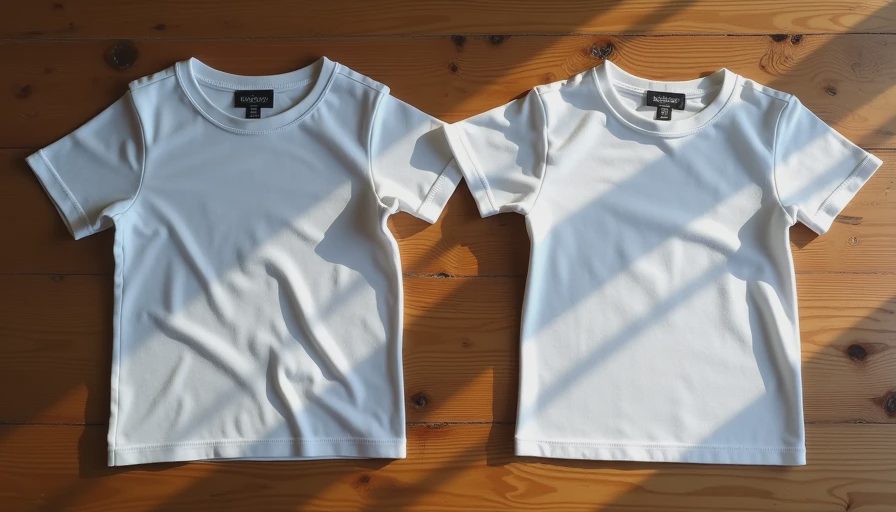
“Why is this one so expensive?” Parents ask me this constantly when comparing children’s basics. A simple white t-shirt can range from $12 to $48, and it’s not always obvious why.
Having spent years analyzing cost structures from the buyer’s side, I can tell you the difference usually comes down to four main factors: fiber, construction, labor, and business decisions. Let’s break it down honestly.
Factor 1: The Fiber Itself
The biggest cost driver is usually the raw material.
A $12 t-shirt is often made from conventional cotton or basic synthetic blends. These fibers are cheaper to produce but may pill, fade, or lose shape faster.
A $48 t-shirt might use organic cotton, Pima or Supima cotton (longer staple fibers that create smoother, stronger yarn), or premium blends that combine natural and performance fibers thoughtfully.
The difference in hand-feel is immediate. Higher-quality fibers feel softer against a child’s skin and maintain their integrity through repeated washing and wearing. Over time, they often cost less per wear.
Factor 2: Construction and Craftsmanship
This is where many parents don’t look, but it makes an enormous difference.
The cheaper shirt likely uses minimal construction: single-needle stitching, basic overlocked seams, and lightweight fabric that may twist after washing.
The more expensive version invests in:
Double-needle hems for durability and flexibility
Proper shoulder taping to prevent stretching
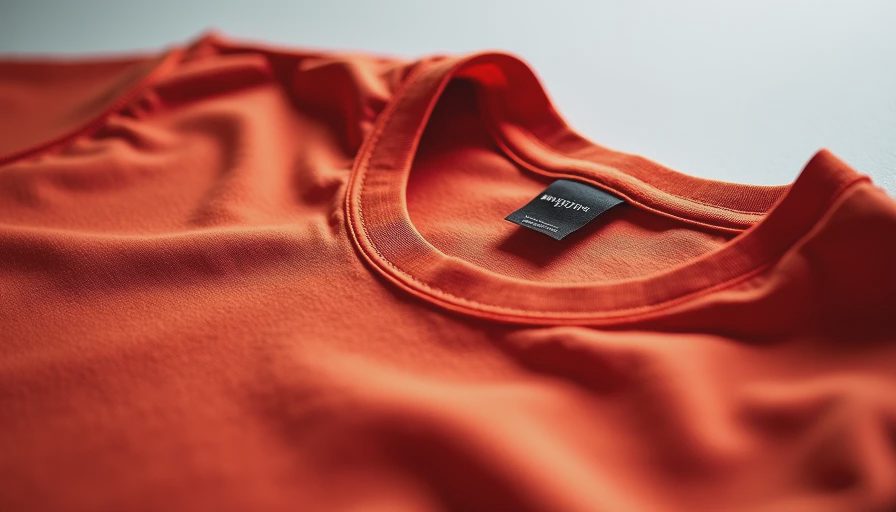
Reinforced neckbands that hold their shape
Higher stitch counts for smoother, stronger seams
Better pattern grading for consistent sizing
These details aren’t visible when the shirt is new, but they become very apparent after twenty or thirty washes — exactly when cheap shirts start falling apart.
Factor 3: Labor and Ethics
This is the uncomfortable but important part.
Lower prices often reflect lower wages, faster production with less quality control, or questionable working conditions somewhere in the supply chain.
Higher-priced brands may pay living wages, invest in worker training, maintain better factories, and conduct regular audits. Some are transparent about their manufacturing partners.
As a parent, I’m willing to pay more when I know the people making my daughter’s clothes are treated fairly. The quality usually reflects this care too.
Factor 4: Business Model and Markup
Not all markup is created equal.
Some brands have high marketing costs, celebrity endorsements, or heavy discounting strategies that inflate base prices. Others maintain higher prices to support smaller production runs, better materials, and sustainable practices.
Direct-to-consumer brands sometimes offer better value by cutting out middlemen, while traditional retailers have higher overhead.
Understanding these business realities helps decode pricing strategies.
Real Cost Per Wear Math
Let’s do the actual calculation with two hypothetical t-shirts:
Cheap Shirt ($12):
Lasts 15 washes/wears before looking worn
Cost per wear: $0.80
Quality Shirt ($48):
Lasts 80+ washes/wears and still looks good
Cost per wear: $0.60 or less
The quality shirt often wins on pure economics, plus it reduces shopping frequency and closet waste.
When to Choose Each
There are times when the $12 shirt makes perfect sense:
Trend-driven prints that will be outgrown quickly
Play clothes for messy activities
Items needed in large quantities for a short time (like camp shirts)
The $48 shirt is worth it for:
Everyday basics that get heavy rotation
Items you hope to hand down
Pieces your child loves and wears constantly
My Personal Buying Strategy
For Iris’s wardrobe, I use a mix:
Quality basics (tees, pants, layering pieces) from trusted makers
Fun, trendier items from more affordable sources
Occasional splurge pieces that bring her particular joy
This approach balances budget, values, and practicality while teaching her about conscious consumption.
The Transparency Conversation
I wish more brands shared their cost breakdowns openly. Understanding why something costs what it does empowers better decisions. It moves us away from impulse buying toward intentional choices.
The goal isn’t to always buy the most expensive option. It’s to understand value so you can spend according to your family’s priorities and values.
Beyond the Price Tag
A t-shirt is never just a t-shirt. It’s hours of labor, choices about materials and ethics, decisions about quality versus speed. When we buy thoughtfully, we participate in the story behind each garment.
Clothes should speak for the child, not over them. Understanding what goes into making them helps us choose clothes worthy of carrying our children’s voices.
The difference between $12 and $48 isn’t always obvious on the rack, but it becomes beautifully clear in the wearing — wash after wash, memory after memory.



No comments yet — be the first to share a thought.