The best baby girl outfits do more than photograph sweetly. They let a child stretch, crawl, nap, spill applesauce, and still look unmistakably like herself. When I was buying children's clothing at Nordstrom, I learned to look past the first impression: the hand of the fabric, the placement of a snap, the way a sleeve gathers after washing. Those small decisions determine whether clothing becomes part of a child's day or simply hangs beautifully in a closet.
Iris was a baby who disliked anything stiff around her neck, and she still notices scratchy seams before she notices a color. That is useful information. Style begins with attention, not a shopping list. A considered wardrobe offers a few excellent shapes, a gentle range of colors, and enough freedom for a child to develop preferences in her own time.
Start with the fabric, not the picture
For everyday baby girl outfits, fabric is the quiet architecture. Look for cotton jersey with a soft, even surface, cotton muslin that becomes more supple after washing, and lightweight knitwear that bends rather than resists. In warm weather, seersucker and gauze can bring texture without weight. A breathable weave is especially welcome in humid places such as Savannah, where a heavy synthetic lining can make a charming dress feel like a small oven.
Run your fingers along the inside of a garment. Are the seams flat? Is the neck opening generous enough to pass over the head without a struggle? Does the fabric recover after a gentle stretch? These are better questions than whether a print is currently popular. A tiny floral can be lovely, but it should not distract from a rough label or a waistband that digs in.
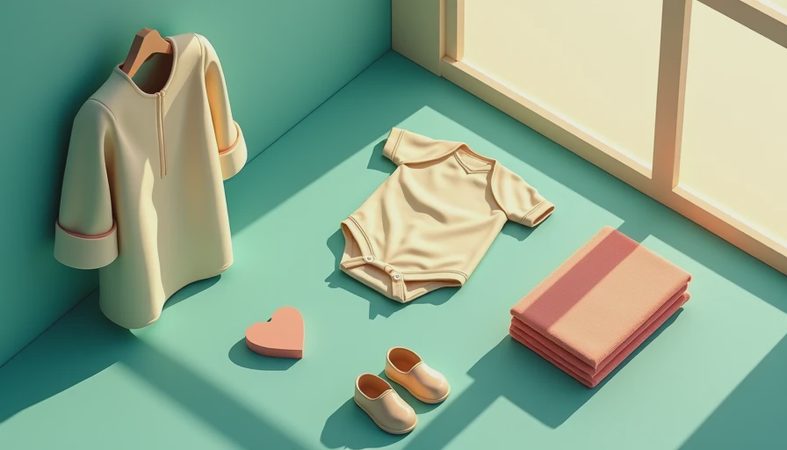
For sleepwear and base layers, prioritize softness and simple care. A bodysuit that tolerates frequent washing is more valuable than an elaborate piece reserved for one carefully supervised hour. Check the care label before buying several colors. Some beautiful natural fabrics need delicate handling, while a well-made cotton blend can offer the same comfortable hand with less laundry drama.
Build a small language of color
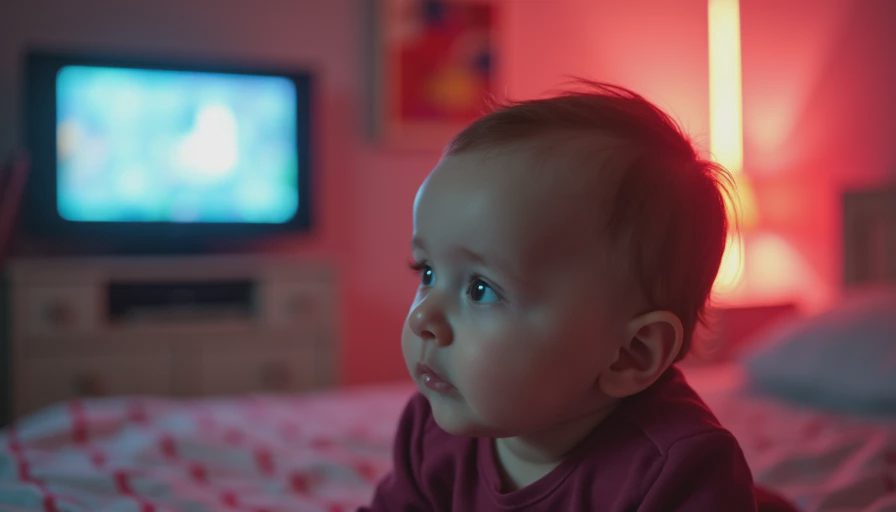
Baby girl outfits do not need to be sorted into a narrow pink spectrum. Color can be a conversation between the child and the room around her: oat beside faded blue, tomato red with cream, marigold against soft brown, or a leafy green that looks different in morning and evening light. These combinations feel expressive without making the clothing louder than the child.
Choose a base of two or three quiet neutrals, then add colors that have a little tension. A clay-colored cardigan can warm a pale blue romper. A gingham sunhat can make a plain cream dress feel finished. If a child reaches repeatedly for one shade, take that preference seriously. Iris once wore a violet cardigan for nearly a week because, as she explained, it made every other color “wake up.” She was right.
Patterns deserve the same thoughtful editing. One strong motif usually has more presence than several competing ones. Pair a small striped top with solid pants, or let a dress with illustrated birds stand alone. Clothing should speak for the child, not over them.
Think in layers and useful proportions
The most successful baby girl outfits are built from pieces that can meet one another easily. Begin with a soft base layer, add a practical bottom or one-piece garment, then finish with a cardigan, vest, or lightweight jacket. This system works across changing temperatures and makes a smaller wardrobe feel generous.
For babies learning to move, check the proportion of every layer. A long tunic may bunch beneath a crawling child, while a roomy bloomer allows freedom without exposing the diaper. Dresses are beautiful, but they often work best with leggings or diaper covers for floor time. When a child begins walking, avoid hems that trail around the ankles. The right length is not merely tidy; it supports movement.
Closures matter too. Snaps at the inseam make changes faster, while an envelope neckline can be kinder than a narrow opening. Once a child dresses independently, elastic waists and large pull tabs become small invitations to participate. A garment that a child can help put on has value beyond convenience.
Shop by real days, not imagined occasions
Before buying, picture a regular week. How many mornings involve daycare, errands, playdates, or time outside? How often will laundry run? A useful wardrobe might include five washable tops, four comfortable bottoms, three one-piece options, two cardigans, and one weather-appropriate outer layer. The exact number matters less than the balance between clothing for living and clothing for ceremony.
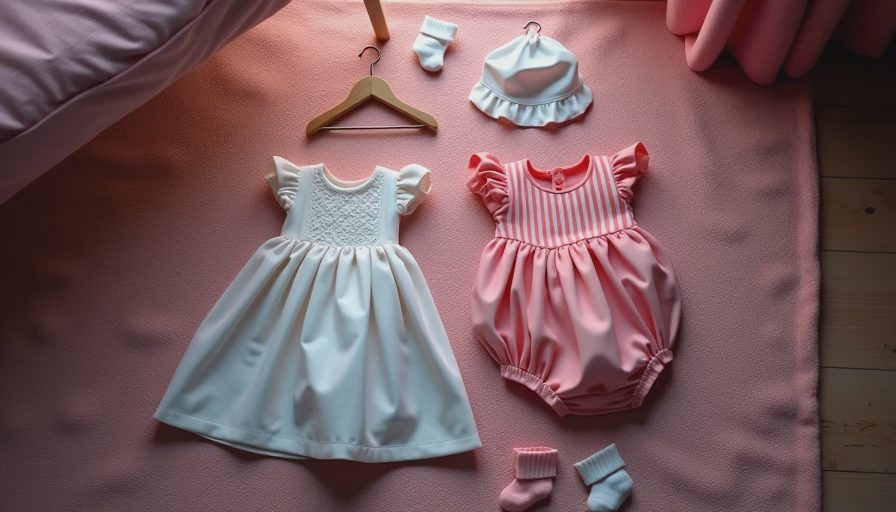
Special pieces still deserve a place. A cotton voile dress with a finely gathered sleeve can be perfect for a birthday or family photograph, especially when it remains comfortable enough for sitting on the floor. Look for details that earn their keep: covered buttons, a stable hem, lining that does not cling, and fabric that can be spot-cleaned. A special garment should invite movement rather than require constant protection.
When comparing brands, do not assume the highest price guarantees the best construction. Hanna Andersson is known for sturdy everyday cotton, while brands such as Primary often offer straightforward colors and simple layering pieces. Independent makers may bring beautiful fabric and thoughtful finishing, but always read the care instructions. The buyer's eye asks what the garment will become after ten washes, not only how it looks under boutique lighting.
Let the child edit the final look
As children grow, dressing becomes a form of authorship. Offer two or three options instead of presenting an entire closet. Ask, “Do you want something that moves or something that feels crisp today?” That question gives useful vocabulary without turning clothes into a performance. A child might choose a soft romper for the same reason an adult chooses linen: the body knows what it wants before the mind explains it.
For baby girl outfits, keep one element familiar when experimenting with another. If the color is new, use a trusted silhouette. If the child chooses a dramatic ruffle, keep the rest simple. This approach makes room for discovery without requiring a total wardrobe transformation. It also teaches proportion, texture, and contrast in a language children can understand through touch and play.
Never underestimate the importance of access. Low drawers, a few visible hooks, and a small basket for socks allow children to practice choosing. The result may not match an adult's idea of harmony. That is part of the work. A striped sock with a floral dress can be evidence of a point of view, not a failure of styling.
A practical wardrobe check before checkout
Before adding another piece, examine five details. First, press the fabric against your wrist; that is a quick test for scratchiness. Second, inspect the seam allowance and snap placement. Third, imagine the garment after a meal, a nap, and a trip through the washer. Fourth, ask whether it coordinates with at least three things already owned. Fifth, consider whether the child can move, sit, and eventually help with the fastening.
This check keeps baby girl outfits beautiful without making beauty the only measure. It also prevents the crowded closet problem: many charming pieces, very few combinations, and nothing comfortable enough for Tuesday morning. A smaller collection of adaptable garments often feels more personal than a large assortment chosen from a single display.
Clothes can introduce children to color, texture, proportion, and care, but they should never become a test they have to pass. Watch what they reach for. Notice what they avoid. Keep the pieces that support their days, and let the rest go quietly. The loveliest baby girl outfits are not costumes for an ideal childhood; they are comfortable, considered companions to the real one.
No comments yet — be the first to share a thought.