Mom and daughter matching pajamas have a particular kind of charm when they are chosen as an invitation to play, not a demand for a perfect photograph. The loveliest sets do not turn a child into a smaller version of an adult. They create a shared visual note while leaving plenty of room for the child’s own expression: a favorite sock, a crooked braid, a collection of stuffed animals arranged across the bed.
I think of pajamas as the most intimate part of a wardrobe. They are worn in lamplight, during story time, and on slow mornings when the house has not quite decided what day it is. That makes fabric, color, and proportion more important than novelty. A child should be able to move, stretch, and fall asleep comfortably. Clothes should speak for the child, not over them.
Start with the fabric, not the photograph
The hand of a pajama fabric tells you almost everything. Cotton jersey has a soft, familiar stretch and works beautifully for children who roll, curl, and sleep in every direction. Cotton rib has more texture and recovery, making it useful for cuffs that need to stay close without feeling tight. A lightweight woven cotton can look wonderfully crisp, but inspect the seams and waistband before choosing it for a restless sleeper.
Mom and daughter matching pajamas are often purchased for a holiday morning, yet the best pair will survive beyond one carefully styled occasion. Look for flat seams, a covered elastic waistband, and cuffs that do not pinch. For warm climates, including humid Savannah summers, choose a breathable knit rather than a heavy brushed fleece. In colder rooms, a midweight cotton layer is often more comfortable than a very thick synthetic fabric that traps heat.
Wash the set according to real family life. If it requires special handling, ask whether it will actually make it through the weekly laundry rhythm. The most useful pajama is the one that becomes soft with washing and still holds its shape after a season of bedtime stories.

Find a shared palette instead of an identical look
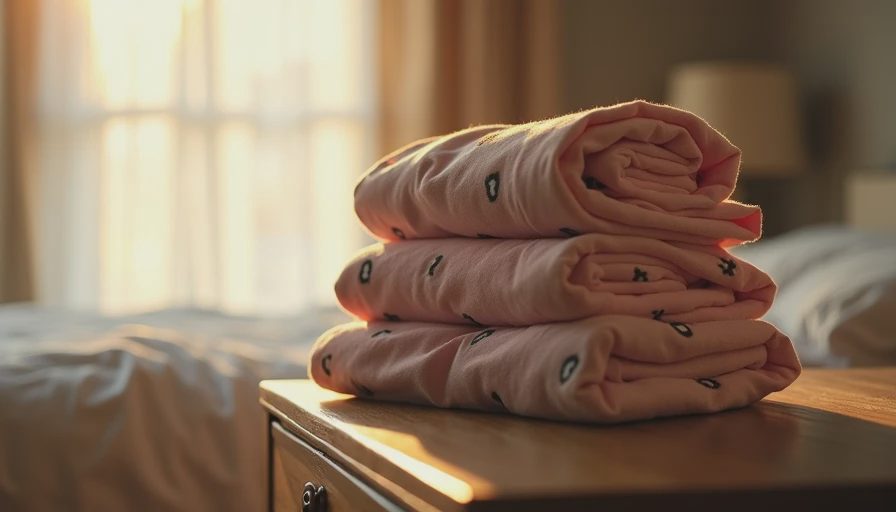
The easiest way to make mom and daughter matching pajamas feel considered is to begin with color. A shared palette can be more elegant than a shared print. Think faded blue with cream, tomato red with soft pink, or moss green with warm gray. In morning light, these combinations feel gentle and dimensional rather than overly coordinated.
A small floral, narrow stripe, or hand-drawn animal motif can work across different silhouettes. The adult set might have a long-sleeved top and straight leg, while the child’s version has a rounded collar, shorter sleeve, or jogger shape. The relationship remains visible without erasing age or personality.
Iris once chose a blue pajama set because she liked the tiny moons, then replaced the matching top with a glittery cardigan before breakfast. That was exactly right. The set gave her a starting point; it did not dictate the finished picture. When shopping, ask a child what they notice first. Is it the color, the print, the pockets, or the way the fabric feels? Their answer is more useful than a trend report.
Patterns should have a little breathing room
A print has a scale, and scale changes how a garment feels. Large flowers can look painterly and expressive on an adult shirt but overwhelm a small child’s frame. Small repeating motifs often feel quieter, while broad stripes bring a graphic quality that photographs well without becoming precious.
For mom and daughter matching pajamas, I prefer patterns with an imperfect or illustrated quality. A row of hand-rendered stars has more warmth than a perfectly repeated geometric icon. If the pattern is busy, let the cut stay simple. If the pajama is a solid color, a shaped collar, contrast piping, or an unusual button can provide interest.
Avoid choosing a set only because it performs well in a picture. Ask how it will look under a quilt, beside a stack of books, or with a child carrying a cup of water down the hallway. Everyday context reveals whether the design has staying power.
Pay attention to proportion and independence
Matching does not require matching every detail. A child’s pajama should be sized for movement, with enough ease through the seat and knees for sitting cross-legged. Sleeves should not hang so long that they catch on a cup or toy. Snug-fitting sleepwear can be appropriate when required by the garment’s safety labeling, but a loose adult shirt is not a substitute for a properly designed child’s set.
Mom and daughter matching pajamas can also support independence when the details are easy to manage. A wide elastic waist, clearly finished cuffs, and a neckline that does not twist make dressing less frustrating. Pockets are a small delight, especially for carrying a tiny treasure from bedroom to breakfast table.
For toddlers, avoid decorative cords and long ties. Check buttons for secure attachment, and inspect the set after repeated washing. These are simple quality checks, but they distinguish a lovely-looking garment from one that earns a place in the regular rotation.
Make the ritual more personal
The appeal of mom and daughter matching pajamas is not limited to a holiday card. You can make the purchase part of a small family ritual: choosing a picture book to read in the new set, making cinnamon toast on a weekend morning, or writing a note about what the child loved that season. The clothing becomes attached to memory without becoming a costume.
For a birthday, consider a pattern connected to the child’s interests rather than an adult idea of sweetness. A child who loves drawing may prefer painterly dots or bright primary colors. Another may choose a nearly plain set because the important feature is a deep pocket for a wooden animal. The right selection gives them language for preference: “I like this because it feels cool,” or “The moons are the best part.”
If you are buying for a gift, choose a flexible palette and include a simple exchange option. Children grow quickly, and a beautiful set in the wrong size is still the wrong gift. A little room is helpful, but excessive sizing can make cuffs and hems inconvenient.
A buyer’s checklist for a thoughtful set
Before adding matching sleepwear to your cart, look closely at five details. First, read the fiber content and imagine it against bare skin. Second, inspect the waistband and seams in the product photographs. Third, compare the child’s measurements with the brand’s size chart rather than relying on age alone. Fourth, look for laundering instructions that fit your household. Finally, ask whether the design would still appeal if nobody took a photograph.
That last question usually clarifies everything. Mom and daughter matching pajamas are most successful when the visual connection is gentle and the experience is comfortable. Choose a set that gives a child room to add their own socks, book, blanket, or dramatic morning entrance. The matching is simply the opening line; the child gets to write the rest.


No comments yet — be the first to share a thought.