The best baby dresses have a way of looking sweet without turning stiff. In a warm place like Savannah, I look first at how the fabric breathes, then at whether the skirt moves when a child lifts a knee or leans into a hug. Baby dresses should feel like part of the day, not a costume. The ones worth buying are soft at the shoulder, forgiving at the waist, and easy to wash after peach puree, marker, or grass stains.
Start with fabric, then let the shape follow
When I buy baby dresses, I start with touch. Cotton voile feels airy and a little crisp, jersey drapes like a favorite T-shirt, and double gauze has that clouded, crinkled softness that hides wrinkles well. In hot weather, linen blends can be lovely if they are lined lightly and not scratchy. Polyester can work for a short occasion dress, but if the fabric feels slick and loud in the hand, it usually behaves that way on a child too.
The lining matters as much as the outer fabric. A thin cotton lining keeps a dress from clinging and helps it sit quietly on the body. Seams should lie flat. Necklines should not fight a small head. If you can find a tagless style or one with a soft printed label, even better. These details sound small until you have a child who announces, halfway through getting dressed, that something itches.
Choose a shape that leaves room for play
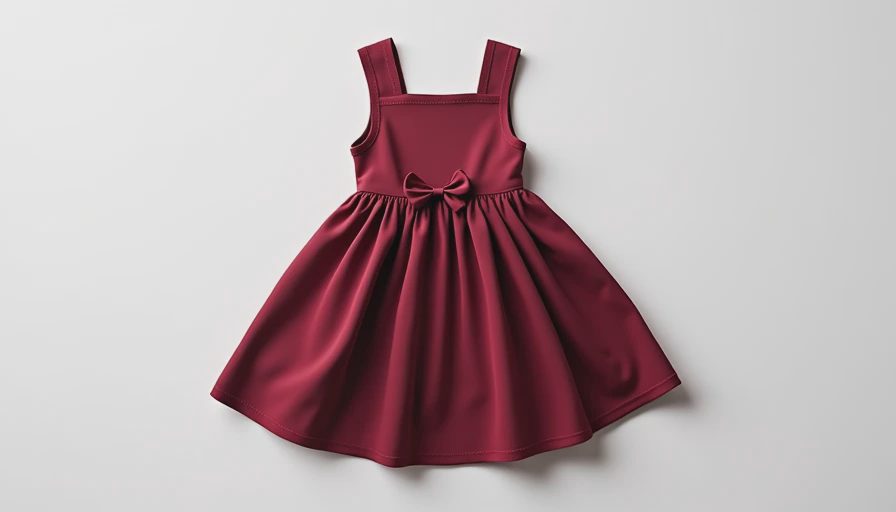
Good baby dresses close cleanly at the back or shoulder, but more important, they leave enough room for crawling, climbing, and the kind of spinning that turns a mirror into entertainment. A-line cuts are easy because they skim without squeezing. Empire waists can be sweet on smaller children, but the seam should sit comfortably, not high enough to bunch under the arms. Tiered skirts bring movement; they flutter without requiring a petticoat. If a dress has ruffles, let them be soft and stitched down well, not stiff enough to stand away from the body.
For babies and young toddlers, simple closures matter. Snaps, buttons, or a zipper should be reachable, and the opening should be generous enough that dressing does not become a wrestling match. If you are shopping online, look at the arm opening, not just the front photo. That one detail tells you more about daily ease than any styled picture ever will.
Special-occasion dressing can still feel like play
For special events, baby dresses can still feel airy. Smocking, lace trim, and satin ribbons have a place, but the best versions keep the texture gentle and the silhouette easy. Think of a baptism dress that lies softly instead of rustling like paper, or a birthday dress that catches light without scratching at the neck. If the only reason a dress looks special is that it looks delicate, keep going.
This is where brand names can help as a map, not a costume. Carter's usually covers practical basics at lower prices. Hanna Andersson is known for sturdy cotton and good washability. Tea Collection often brings artful prints. Boden tends to do cheerful occasion pieces, and Primary is useful for clean solids that layer well. I also like browsing Nordstrom and Maisonette because their mix makes it easier to compare fabric and construction in one place. You do not have to buy the most expensive thing in the room; you just have to choose the one that wears honestly.
A useful test: hold the dress up to the light. If the fabric goes nearly transparent, ask whether that matters for the way you plan to use it. A lined dress usually earns its keep on cooler days and in photos, while an unlined cotton style can be perfect for humid afternoons and car-seat living.
Size for the body, not the season
Good baby dresses close cleanly and fit across the shoulders first. If the neckline is wide and the bodice is short, the rest of the dress will look droopy no matter how charming the print is. If the sleeves are full but the armholes are tight, skip it. You want enough room to layer a tee underneath when the weather turns, especially in spring and fall when mornings and afternoons feel like different months.
Sizing charts help, but they do not tell the whole story. I pay attention to length, because a dress that lands mid-knee often wears longer than one that hovers awkwardly high. I also like a little growth room in cotton styles because they soften and relax after a few washes. If your child is between sizes, consider the fabric first. Woven cotton holds shape; knit styles forgive more. That difference can be worth ten dollars or more in usefulness.
If you are shopping for a season rather than a photo, choose a hem you can imagine in motion: climbing steps, sitting on a blanket, running toward a grandparent. That image usually tells the truth faster than size labels do.

Build a small wardrobe that actually gets worn
A small wardrobe of baby dresses works best when each piece has a job. One can be the easy cotton dress for daycare, park days, and sticky hands. One can be the prettier dress for dinner out or family photos. One can be the workhorse with tights, leggings, or bloomers underneath. That is usually enough unless you live a life full of parties, and most families do not.
I like to think in color stories instead of categories. Cream, moss, faded blue, marigold, soft rose, and navy all play nicely with cardigans, sun hats, and tiny sneakers. A print should feel like it could live in a picture book, not compete with one. If a pattern is busy, let the shape stay simple. If the shape is dramatic, keep the color quiet. That balance helps clothes speak for the child, not over them.
For budget, a practical range for everyday styles is often around $20 to $45, with special-occasion versions climbing higher if there is hand smocking, better lining, or nicer fabric. Sales at department stores and direct-to-consumer brands can bring that down quickly, so timing matters if you are building out a full size run. Buy fewer, better-shaped pieces and you will spend less replacing things that never fit right.
If you are buying ahead, size up only one step on woven styles; two sizes up can make shoulders slump. For knit dresses, a little extra room is fine because the fabric forgives. I also keep embellished pieces in a laundry bag and air-dry them flat so lace, ribbon, and elastic last longer. That kind of care is not precious; it is just a way to keep a good thing in circulation.
The cleanest closet is not the biggest one. It is the one where your child reaches for something and it feels like an extension of who they already are. That is the quiet promise of baby dresses: not perfection, just a little more ease, a little more movement, and a little more grace in the everyday.



No comments yet — be the first to share a thought.