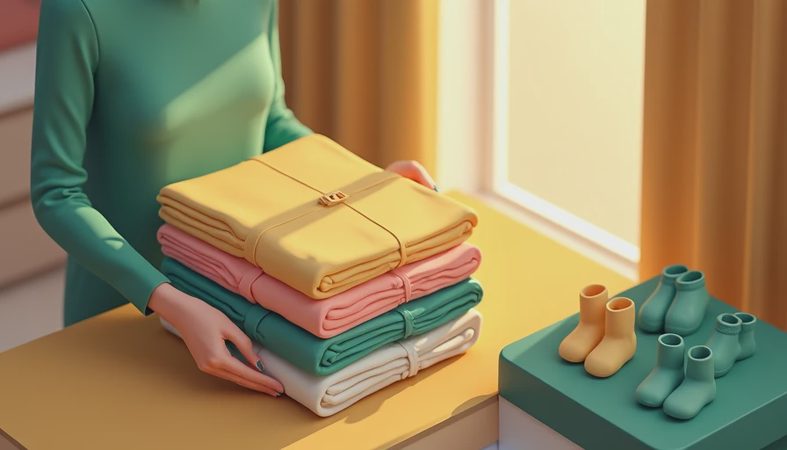
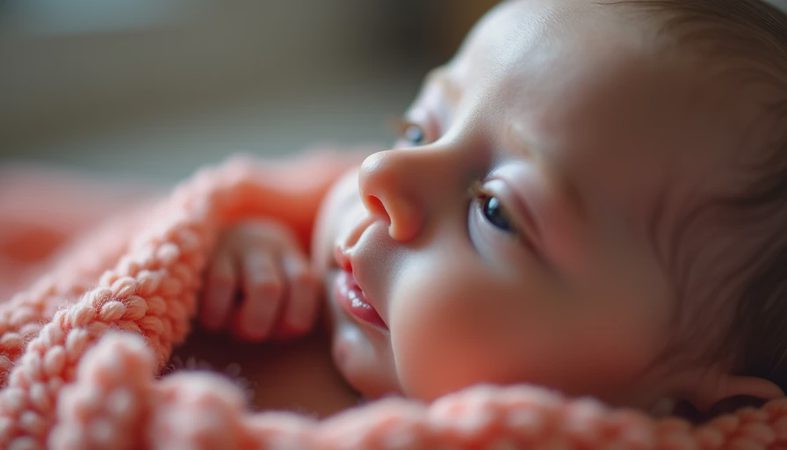
The first shopping list for a baby can feel strangely loud, but newborn clothes do not need to be. I like to think of them as the quiet layer between a new body and the world: soft enough for sleep, simple enough for midnight changes, and lovely enough that you reach for them without thinking. In a good drawer, the colors settle together like washed river stones, and the fabrics have a little give when you lift them.
What newborn clothes really need
The best newborn clothes do three jobs at once: they keep a baby warm, they make diaper changes less fussy, and they avoid scratchy details that turn an ordinary afternoon into a negotiation. Front snaps, two-way zippers, and kimono-style wraps save real time when you are half awake. Fold-over mitts are useful for the first weeks if nails are sharp, and a wide neck opening matters more than a cute collar when you are dressing a wriggling baby. If a piece looks charming but takes both hands and a prayer to put on, it belongs in the maybe pile, not the drawer. Simplicity is not boring here; it is a kind of kindness.
Cotton jersey is the steady workhorse: breathable, washable, and familiar in the hand. Organic cotton versions from brands like Hanna Andersson or Burt's Bees Baby usually sit in the $15 to $30 range for a sleeper or set, while budget-friendly chains like Carter's can bring basics closer to $5 to $15 per piece. If you want something silkier, bamboo viscose knits feel cool and drapey, though they can run higher. Merino is wonderful in cool weather because it buffers temperature well, but it should feel fine-gauge, not itchy. The point is not to buy the fanciest fiber; it is to choose one that holds a newborn without fuss and survives the wash without turning prickly.
Fabrics that look calm in real light
Color matters more than people think. Pale oat, soft blue-gray, faded rose, and milky white all tend to look serene under lamp light and daylight alike. Bright prints can be cheerful, but a calmer palette lets texture do the talking: rib knit, waffle weave, brushed cotton, and pointelle all read beautifully when the baby is still small enough to disappear inside the clothing. In Savannah humidity, I lean toward fabrics that breathe and recover after washing, because a drawer full of high-maintenance darling pieces is still a drawer full of laundry. Magnetic Me is known for magnetic closures, which some parents love for speed, and the brand's sleepers generally cost more than drugstore basics, but the convenience is obvious the first time you change a baby at 3 a.m. Labels should be printed or soft, too; a scratchy tag can matter more than a pretty trim.
The smartest starter pieces
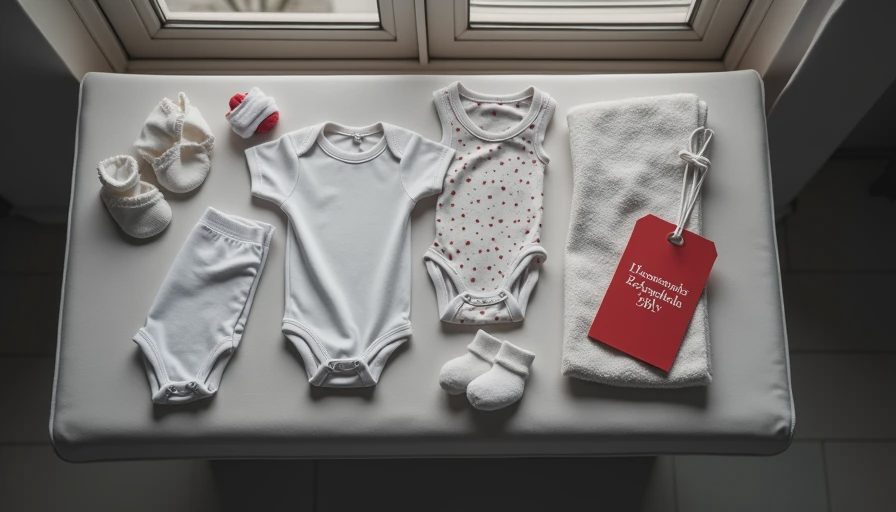
If I were editing a drawer from scratch, I would start with six to eight short-sleeve bodysuits, four sleepers, two side-snap tops, two swaddle blankets, and one or two hats. That is enough to get through the early blur without overbuying sizes that may be worn for only a few weeks. I like newborn clothes that repeat well: a striped bodysuit under a sleeper, a ribbed tee under a wrap romper, a little cardigan over almost anything. Primary does this kind of easy color work especially well, with blocks of red, sage, navy, and clay that play nicely together. You do not need every piece to be precious; you need a small system that makes mornings feel less like inventory and more like dressing. If a gift arrives in a loud print you would never choose, let it be the wild card and keep the rest calm.
How to size without guessing
Sizing is where many closets get overstuffed. Babies arrive with wildly different lengths, weights, and timelines, so buying only newborn size is risky if you are shopping early. A practical drawer usually mixes newborn and 0-3 months, because some babies skip the first size almost immediately while others live in it for several weeks. For newborn clothes, I like to buy a little less in the first size and a little more in the next size up. One easy rule: if a brand runs trim, size up; if it runs roomy, stay true. Read the shoulder width, not just the label. A sleeper that stretches over the chest but twists at the ankle will not become more pleasant with time. When in doubt, keep the gift receipt and leave tags on a few extras until you know your baby's shape. The body tells the truth faster than the hangtag does.
A hospital-to-home capsule
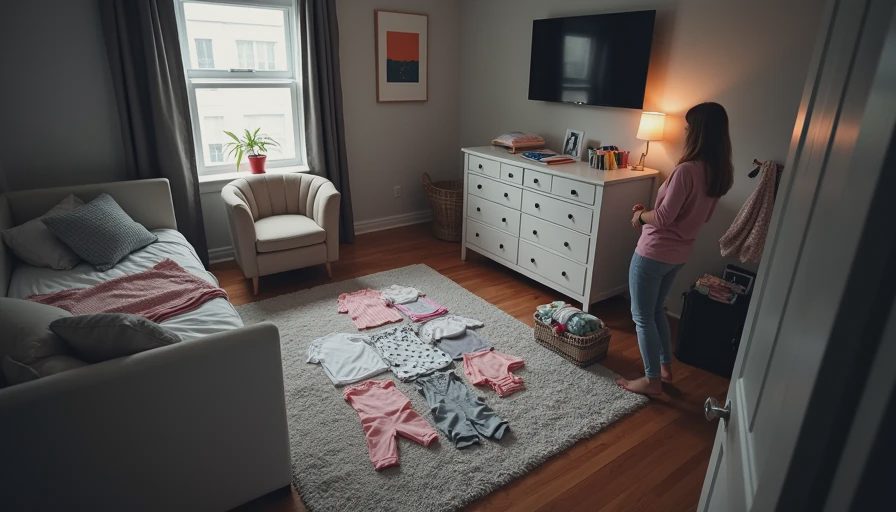
A simple hospital bag can be built around one going-home outfit, two sleepers, two bodysuits, socks if you like them, and a blanket for the car ride. From there, the home drawer can stay beautifully modest. You do not need a dozen printed outfits to tell a baby story. A cream ribbed sleeper, a dove-gray wrap top, and a small striped bodysuit already say enough. For newborn clothes, I often suggest spending a little more on the pieces that touch skin all day and saving on the pieces that are purely backup. That means better fabric where there is friction, simpler construction where there is wear, and fewer tiny decorative extras that never earn their keep. A good seam sits flat. A good cuff stays soft after the third wash. Those are the details parents feel before they name them, and they are the reason a drawer keeps working after the first sleepy week.
When to spend more and when to save
Spend more on sleepers, bodysuits, and blankets if the fabric feels unusually smooth, the seams are flat, and the snaps or zippers move cleanly. Save on hats, spare tees, and backup bibs, because those pieces are often lost, stained, or outgrown before they show their full value. I also think clothes should speak for the child, not over them. A baby in a softly striped sleeper looks like themselves; a baby in an overdesigned outfit looks managed. If you build the first drawer with that in mind, dressing becomes easier, laundry becomes calmer, and the whole room feels like a place where a small person can unfold.

No comments yet — be the first to share a thought.