Toddler girl clothes are at their best when they do one quiet thing well: let a child move, crouch, spin, spill a little applesauce, and still look like herself. I have spent enough years on the buying side to know that the prettiest rack is not always the one worth taking home. What matters is how the cloth lands on the body, how the waistband behaves after lunch, and whether the color still feels fresh in the window light by the time you are leaving the house. In Savannah, where the air can feel like a warm hand in July, I care about that even more.
What I look for in toddler girl clothes
When I shop for this age, I begin with fabric before I think about print. Cotton jersey breathes. French terry gives a little structure without feeling stiff. Linen blends can be beautiful for warm weather if the weave is not too loose, because a child will tug, sit, and fold into themselves all day. The best toddler girl clothes begin with cloth that can take that kind of living and still look easy.
I also look at seams. A flat, smooth seam at the side and under the arm matters more than a clever slogan ever will. If a neckline feels scratchy in the hand, it will become a complaint by breakfast. If a dress has a lining that swishes instead of clings, that is money well spent. For basics, brands like Primary are known for clean, logo-free color, while Hanna Andersson has a strong reputation for sturdy cotton knits and pajamas that hold up through a lot of washing. That is the kind of reliability parents feel in the laundry basket, not just in the fitting room.
The first time a child tries on something new, I watch for ease. Do the shoulders stay put? Can she bend to pick up a rock? Can she sit cross-legged without the skirt riding up in a strange way? That little test tells you almost everything.
Fit is the difference between cute and worn again
A good fit gives a child room to be busy. Toddler sizing usually starts around 2T and runs through 5T, but the number on the tag matters less than the shape of the garment. Some brands cut fuller through the seat, some slimmer through the torso, and some make sleeves that are charming on a hanger but too long for real life. I want toddler girl clothes to have a little forgiveness at the waist and knee so they can move from stroller to playground without fuss.
Elastic waists are worth paying attention to, especially when they are soft and not twisted in the casing. Adjustable tabs inside pants are useful when a child is between sizes or has a narrow waist. Dresses with a bit of extra width through the chest tend to survive a growth spurt better than anything that feels tailored. If you are shopping online, check the garment measurements, not just the age label, and compare them to one piece that already fits well.
For shoes, I like a simple rule: if the outfit needs constant fixing because of the footwear, the whole look has lost its ease. A clean sneaker, a soft sandal, or a boot that zips smoothly does more for the line of the outfit than any decorative detail ever could.
Build a small closet that works hard
A thoughtful closet does not need much. Three everyday tops, two bottoms, two dresses, one layer, and one slightly nicer piece can cover most weeks if the colors speak to one another. That is where toddler girl clothes become less about shopping and more about editing. I like a base of cream, navy, heather gray, soft pink, or olive, then one brighter note, maybe marigold or cherry red, so the whole drawer feels alive without looking busy.
When I edit a closet, I look for toddler girl clothes that can be worn three ways. A floral dress should look good with sneakers, with a cardigan, and with bare legs on a warm afternoon. A ribbed tee should sit neatly under overalls and also stand alone after nap time. A pair of soft leggings in a deep color will outwork a print-heavy pair every single week because they disappear under real use.
This is where value brands earn their place. Target’s Cat & Jack is often practical for play clothes and school-day basics. Old Navy can be useful for simple layers and stretchy pants. Boden and Tea Collection usually lean a little more playful and polished, with prints that feel like they were drawn by a person, not a committee. None of those names matters by itself. What matters is whether the piece has enough grace to be worn often.
Where to spend and where to save
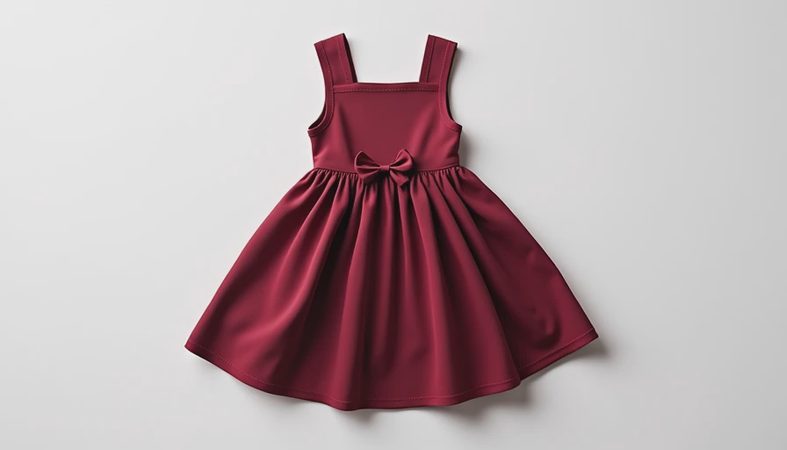
Spend on the things that touch skin all day or get washed hard: pajamas, leggings, tees, and the one coat or cardigan that gets pulled on every morning. Save on seasonal color experiments, party pieces that only need a few wearings, and anything so trend-driven that your child will be bored before the hem gets dusty. A cotton pajama set in the $20 to $40 range can be a wiser buy than a flashy dress at the same price, because it will show up every night. A well-cut dress in the $30 to $60 range is often enough if the fabric has some body and the lining is not flimsy.
I also like to think about weather. In humid months, a child will often prefer something that feels cool against the skin, even if they cannot say why. In cooler months, brushed cotton, fleece, and knit cardigans earn their keep because they add warmth without bulk. If a sweater feels heavy and scratchy in your hand, imagine how it will feel after twenty minutes of climbing.
The point is not to build a perfect wardrobe. It is to build one that keeps being chosen.
Let the child have a say
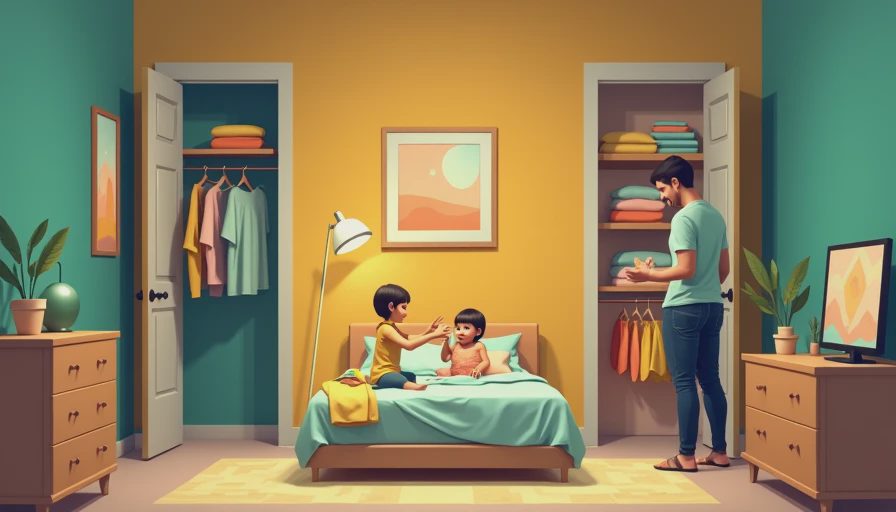
The moment a child starts reaching for certain colors or textures, the closet becomes a conversation. I have seen children choose the soft denim over the sparkly skirt, or the lime cardigan over the pale pink one, and that preference is worth listening to. Style, at this age, is a way of saying, I know what feels right on me.
If you want a useful language for that conversation, try words like smooth, swishy, roomy, crisp, cozy, or bright. Those are better than “cute” because they describe how the clothing behaves. A child can understand the difference between a dress that twirls and one that stands still. She can tell you whether a collar feels tidy or fussy. That kind of vocabulary helps her notice her own taste.
A good closet is not silent. It leaves room for a child’s opinion to enter the room and stay there. Clothes should speak for the child, not over them, and toddler girl clothes work best when they are just polished enough to be loved, washed, and worn again tomorrow.
No comments yet — be the first to share a thought.