Newborn baby clothes are not really about dressing a baby for the camera. They are about making the first weeks easier on everyone in the room. I want pieces that slide on without a fight, feel soft against skin that is still learning the world, and look calm in a drawer when you are half asleep at 2 a.m. The right little wardrobe does not need to be precious. It needs to be kind, washable, and smart enough to handle milk, spit-up, and that mysterious way a newborn can outgrow something in what feels like three days.
When I was buying for the floor at Nordstrom, I learned that parents rarely regret buying fewer things of better shape. They regret scratchy seams, tight neck openings, and snaps that turn an ordinary diaper change into a small engineering project. Newborn baby clothes should solve problems quietly. A good rib knit hugs without squeezing. A well-cut sleeper closes smoothly from ankle to chin. A bodysuit that keeps its shape after a few washes earns its place fast.
Start with touch, not theme
Newborn baby clothes begin with fabric, and fabric tells on itself the moment you hold it. Cotton rib has a little spring and works well for layering because it breathes and moves. Interlock cotton feels smoother and a bit denser, which makes it nice for sleepers and gowns. If you live somewhere humid, like I do in Savannah, a lighter cotton often feels better than anything plush. If you want a little more temperature control, merino wool is worth a look for sleep layers because it wicks well and does not feel clammy the way some blends can.
I tell parents to touch the inside of the garment as carefully as the outside. Seams should lie flat. Labels should be soft or easy to remove. The neckline should open wide enough to pass over a tiny head without a long tug. That is where a $12 bodysuit sometimes outperforms a $40 one. The expensive piece may have prettier trim, but the better piece understands the body it is dressing.
For everyday buying, brands like Carter’s and Burt’s Bees Baby tend to live in the practical lane, while Hanna Andersson usually gives you sturdy knits with a clean finish. None of that matters if the hand-feel is wrong. A baby knows before anyone else does.
Fit details that keep the day easy
When I look at newborn baby clothes, I study the openings first. Shoulders that stretch enough to roll down over the body save time during a blowout, and side snaps can be lovely for the first days when a baby is still curled up and everything feels tender. Kimono tops are not just decorative; they avoid pulling fabric over a fresh umbilical area. That small change can make dressing feel less fussy.
Sleeper feet are another quiet decision. If you like footed sleepers, make sure the toes have room. A foot that is pressed flat loses the cozy feeling fast. If you prefer footless styles, you get more wear from the piece and can layer socks or a swaddle blanket depending on the room temperature. Magnetic closures, used by brands like Magnetic Me, can be a gift in the middle of the night because they line up quickly when your hands are clumsy with sleep.
Size labels are only a starting point. Some babies arrive long and lean. Others need width more than length. I like to have a few true newborn sizes, but I would not build the whole drawer around them. If a piece looks slim in the shoulder or short in the rise, skip it. The prettiest print in the world cannot fix a bad fit.
How much to buy before the baby arrives
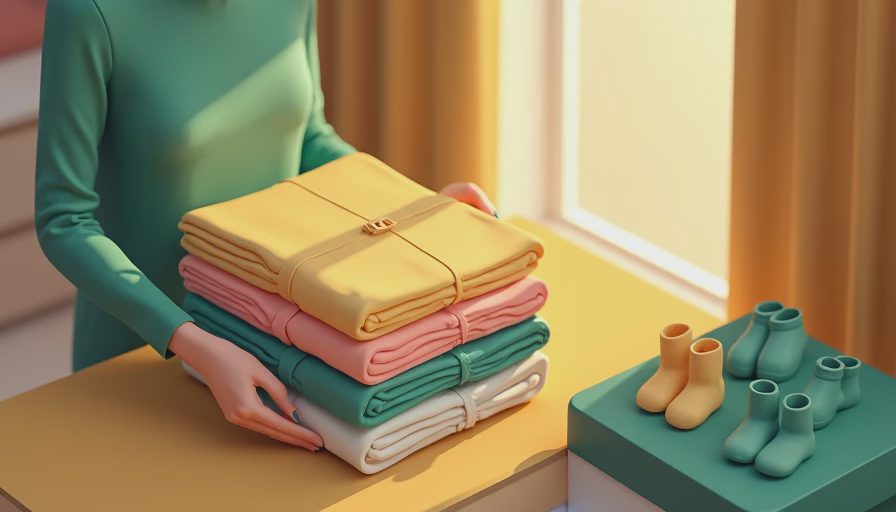
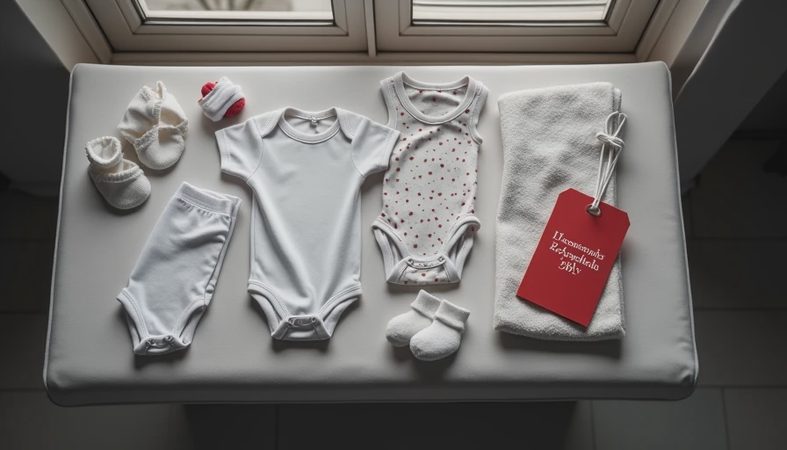
The cleanest registry is the one that acknowledges reality. You do not need twenty tiny outfits waiting in perfect rows. You need enough to get through laundry delays and a few messy days. For most families, five to seven bodysuits, three to five sleepers, two layering hats if your climate calls for them, and a handful of burp cloths is a sane starting point. Add one or two swaddles, and stop there until you learn the baby’s size and temperature habits.
This is where newborn baby clothes often get overbought. Friends mean well. Sale racks are persuasive. But a baby who gains weight quickly may spend only a short stretch in the smallest size. If you love a special outfit, keep it special. Let the daily pieces be simple and forgiving. Multipacks can make sense here, especially from brands that keep the cotton reliable and the seams consistent.
A smart registry also considers laundry rhythm. If you wash every other day, you need fewer pieces than someone who runs a load twice a week. The point is not abundance. The point is to keep the sink and hamper from becoming the real wardrobe.
Where to spend and where to save
If I were editing a drawer with real money in mind, I would spend more on anything that touches skin for long stretches or gets washed constantly. Sleepers, bodysuits, and swaddles earn that attention. They sit closest to the body, and they need to survive repeat cycles without twisting, shrinking, or thinning at the knees and elbows. That is where better stitching pays off.
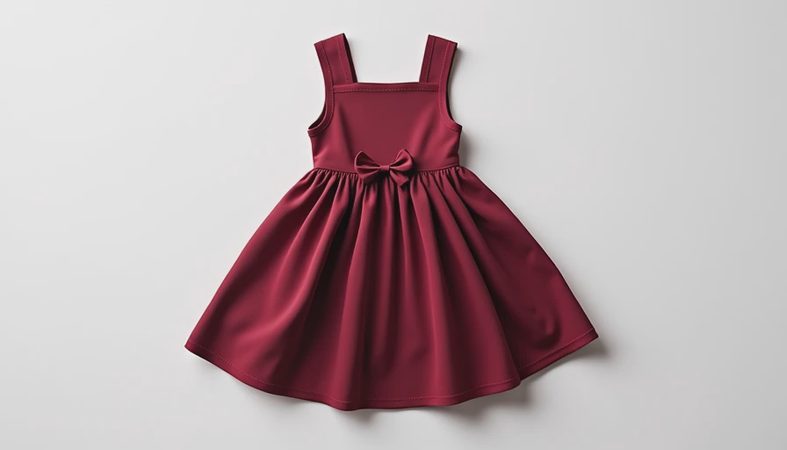
I would save on novelty pieces that get worn once for a photo or a family visit. A tiny cardigan, a special dress, a corduroy overall with no stretch can all be charming, but they should not be the backbone of the closet. If you want one elevated piece, choose it for texture rather than embellishment. A soft cotton pointelle or a fine rib can look beautiful without trying too hard.
Newborn baby clothes do not need a luxury story. They need a clear purpose. If a garment looks beautiful in daylight, washes back into shape, and does not scratch at the wrist or neck, that is the kind of value parents remember. Clothes should speak for the child, not over them.

A small drawer edit that lasts past week two
By the time the first week has passed, you will know more than any checklist could tell you. You will know whether the house runs warm, whether the baby likes arms free or bundled, and whether you prefer snaps, zippers, or magnet closures. Use that information quickly. Buy the next round with the baby you actually have, not the one imagined by a registry photo.
I like to keep a small drawer arrangement: everyday layers in front, sleepers in the middle, swaddles and extras in one neat stack. It sounds almost formal, but it saves energy when your brain is full. If a piece feels rough in your hand, it will probably feel rough against a baby. If a neckline looks tight when it is empty, it will not improve when occupied by a squirming newborn.
The nicest wardrobes for tiny children are rarely loud. They are calm, practical, and a little tender in their colors. That is why the best newborn baby clothes feel less like a shopping list and more like an act of care. Start with softness. Add only what you will use. Let the rest wait.


No comments yet — be the first to share a thought.