Mother daughter matching outfits have a particular charm when they feel like a conversation rather than a costume. The goal is not to make a child look like a smaller adult, or to turn a parent and child into a polished photograph with no room for movement. It is to find a visual thread—a color, a print, a texture—that allows two people to stand together while remaining entirely themselves. Clothes should speak for the child, not over them.
I think about this whenever Iris and I dress for a Saturday in Savannah. She may choose a tulle skirt with glitter socks while I reach for a linen shirt, but a shared butter-yellow cardigan can quietly connect the two looks. The effect is more interesting than identical dresses, and it gives her the pleasure of making a decision.
Start with a Shared Color Story
The easiest way to make mother daughter matching outfits look considered is to begin with color instead of a complete outfit. Choose two or three shades that sit comfortably together in natural light. Dusty blue, cream, and faded red feel like a picture book by the sea. Olive, oatmeal, and marigold have a more autumnal quality. Soft pink with brown and washed denim feels gentle without becoming sugary.
A shared color does not need to appear in the same garment. Your daughter might wear a rust-colored corduroy pinafore while you choose rust socks, a scarf, or lipstick. You could wear a blue cotton dress while she wears blue canvas sneakers with a cream romper. The eye notices the relationship before it notices the repetition.
This approach also works across seasons and budgets. A $28 cotton tee can carry the same visual weight as a $150 blouse when the color is thoughtfully chosen. Look at the clothes beside a window, where undertones become visible. Some whites lean gray, some cream, and some unexpectedly pink. That small distinction is often what makes coordinated dressing feel harmonious rather than accidental.
Use Texture to Create a Quiet Connection
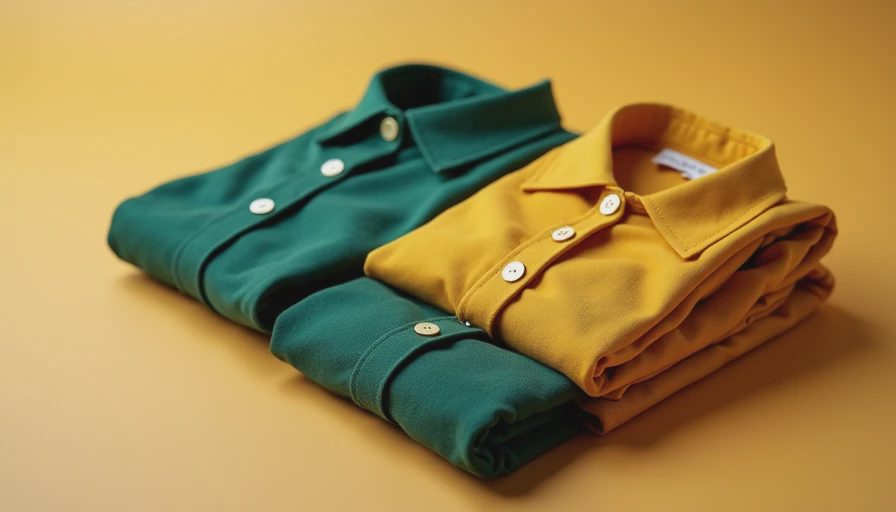
Texture gives mother daughter matching outfits depth, especially when the colors are not exact. A child in a washed cotton dress and a parent in a linen jumpsuit can look connected because both fabrics have an easy, matte surface. In cooler weather, try a chunky cardigan for one person and a brushed wool coat for the other. The garments need not match; they simply need to belong to the same tactile world.
Children notice hand-feel long before they use the word texture. Iris will tolerate a complicated sleeve if the fabric feels soft, but a scratchy collar ends the discussion immediately. Check the inside seam, neckline, and waist before buying. Flat seams, covered elastic, and breathable cotton make coordinated dressing more likely to survive a full day of walking, sitting, and spontaneous running.
Texture can also prevent a matching set from looking overly formal. Pair a crisp poplin shirt with denim, or a velvet hair ribbon with a simple jersey dress. One polished element beside one relaxed element creates rhythm. It says the outfit has been seen, but not overmanaged.
Match the Mood, Not Every Detail
The strongest mother daughter matching outfits usually share a mood. “Garden party,” “coastal afternoon,” “artist’s studio,” or “Sunday market” gives you a useful starting point without imposing a uniform. A floral dress and a floral blouse may be too literal, but a small floral print beside a solid cardigan can express the same romantic feeling.
Print scale matters. If your daughter wears a bold gingham, choose a quieter stripe or solid for yourself. If she prefers a tiny scattered print, you can wear a larger geometric pattern in a related color. Mixing scale lets each outfit have a point of view. It also photographs beautifully because the eye moves between the two people instead of stopping at identical fabric.
Pay attention to proportion as well. A full skirt on one person can balance wide-leg trousers on the other. A cropped jacket, roomy overalls, or a long vest can echo the architecture of another outfit without copying it. The result feels styled but still plausible for real life.
Let the Child Make One Meaningful Choice
Matching works best when a child has authorship. Offer a small menu: the green sweater or the blue one, boots or sneakers, ribbon or no ribbon. This is not merely a strategy for getting dressed without an argument. It teaches children that clothing communicates comfort, energy, and preference.
When Iris assembles an outfit, she often begins with one irreverent detail. A silver sock, a comic-print bag, or a bright clip changes the entire composition. I have learned to build around that choice rather than correct it. In mother daughter matching outfits, the unexpected detail is often what keeps the look from becoming a performance for adults.
A child’s version can also be less polished. Perhaps your hem is tailored while hers is intentionally gathered, or your shoes are leather loafers while she chooses rain boots. These differences are not failures of coordination. They are evidence that the clothes are serving the people wearing them.

Choose Fabrics That Can Live Through the Day
A beautiful outfit is only useful if it allows a child to move. For warm weather, cotton lawn, linen blends, seersucker, and lightweight jersey can breathe better than dense synthetics. In cooler months, cotton corduroy, merino, quilted layers, and soft fleece provide warmth without making every movement feel stiff.
Consider the day’s actual itinerary. A museum visit may welcome a pleated skirt and cardigan, while a park afternoon calls for stretch denim and washable sneakers. If the clothing will be worn for a family photograph, bring comfort into the frame rather than treating it as a separate concern. A child tugging at a waistband will always be more noticeable than a small wrinkle.
Wash care matters too. Before buying a coordinated piece, read the label. If one garment requires dry cleaning and the other is destined for frequent playground use, the pairing may not earn its place in the closet. Look for sturdy buttons, reinforced pocket openings, and hems that can be adjusted as a child grows. Quality is a story of construction, not a price tag.
Three Easy Formulas to Try
For a first attempt at mother daughter matching outfits, keep the formula simple. One option is the color echo: choose one shared shade and let everything else differ. A navy ribbon in your daughter’s hair can relate to your navy cardigan while her dress remains floral and playful.
A second option is the material echo. Try denim for one person and chambray for the other, or pair a cotton eyelet top with a cotton dress in a solid shade. The similar hand-feel creates connection without visual clutter.
The third is the silhouette echo. A relaxed oversized shirt can relate to a boxy child’s jacket; a gathered dress can echo the soft volume of wide-leg pants. This is especially helpful when you shop different brands or already own most of the pieces.
These formulas are flexible enough for a $40 weekend outfit or a special occasion where each person spends closer to $100. Start with what is already in the closet. The most convincing combinations often come from familiar pieces arranged with a little more attention.
Make the Memory Bigger Than the Outfit
The point of mother daughter matching outfits is not a perfect image. It might be the walk to the farmers’ market, a picnic where the cardigan collects grass, or a birthday morning when one shoe disappears. Clothing becomes meaningful through use. A dress remembers the orange popsicle stain; a sweater remembers the child who insisted on wearing it backward.
Before leaving the house, ask how each person feels in the clothes. Is the waistband comfortable? Can the child climb, sit, and raise their arms? Does the outfit feel like an invitation or a restriction? If both answers are good, you have found the right kind of coordination.
Choose the shared color, let the textures speak, and leave room for one wonderfully personal detail. That is where the beauty lives: not in looking alike, but in being visibly connected while each person remains unmistakably themselves.




No comments yet — be the first to share a thought.