The Social Laboratory of Birthday Parties
Birthday parties have become one of the most interesting places to observe Iris developing her personal style. The combination of peer dynamics, celebration energy, and clothing choices creates a perfect laboratory for self-discovery.
Here are three recent parties, what she chose to wear, and what each taught her.
Party One: The Unicorn Extravaganza
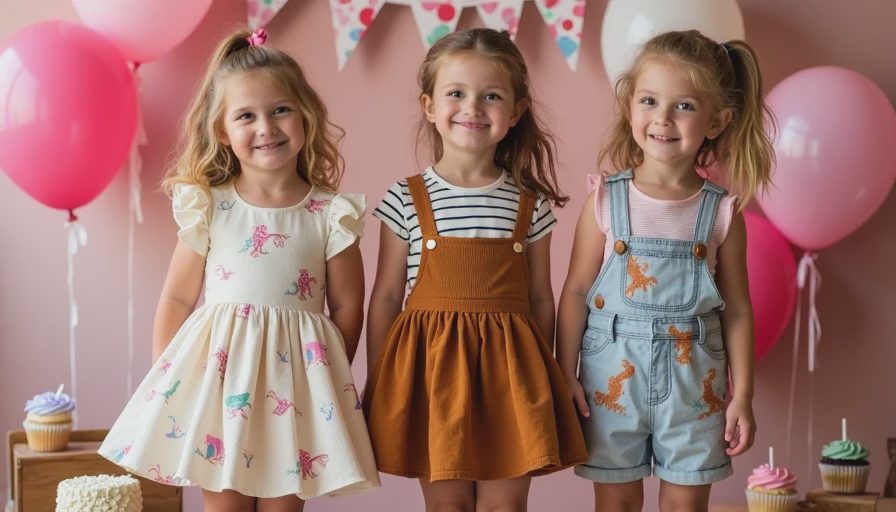
The invitation specified “sparkle and magic.” Iris’s initial instinct was her beloved unicorn dress — the one with the twirly skirt and subtle rainbow details.
She wore it with confidence and had a wonderful time. The dress matched the party’s energy perfectly, and she spent the afternoon twirling and making fairy friends.
What she learned: Sometimes matching the group energy feels joyful and right. There’s pleasure in participating fully in a shared theme when it aligns with your own interests.
Party Two: The Dinosaur Adventure
This party had a clear “boys and dinosaurs” theme, though it was co-ed. Iris considered her favorite dinosaur shirt but ultimately chose her coral corduroy skirt with a simple striped top.
When I asked why, she said, “I like dinosaurs but I don’t want to wear a boy shirt just because it’s a dinosaur party.”
What she learned: She can appreciate a theme without feeling obligated to follow it exactly. Her personal style boundaries matter more than fitting someone else’s vision perfectly.
Party Three: The Art Studio Celebration
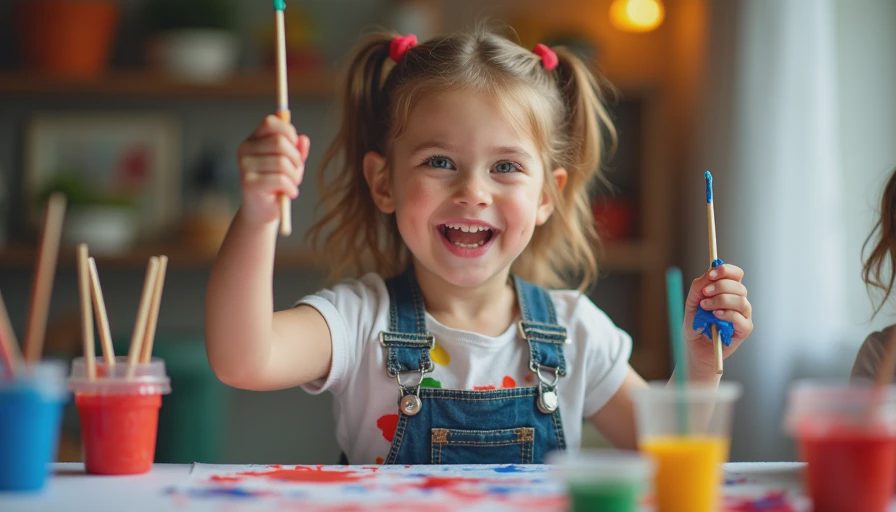
This low-key party at a painting studio had no dress code. Iris agonized for twenty minutes before choosing her “art uniform” — the well-worn button-down covered in paint stains and her favorite overalls.
Some kids were in fancy party clothes. Others were casual. Iris was completely in her element, painting freely and happily.
What she learned: The right outfit for an activity often has nothing to do with what others are wearing. Comfort and appropriateness for the actual experience matter most.
The Patterns I’ve Noticed
Across these and other social events, Iris is learning to navigate the tension between belonging and authenticity. She’s discovering that:
Fitting in feels good sometimes, but not at the cost of feeling uncomfortable in her own skin
She can participate in group energy while maintaining her unique perspective
The best outfits for social situations are the ones that let her engage fully in the activity
Other people’s opinions about her clothes matter much less than how she feels in them
The Parent’s Role in Social Dressing
My job isn’t to dictate what she wears to these events. It’s to help her think through her choices and support whatever decision she makes (within reason).
We talk about practical considerations — weather, activities, bathroom access — but the final aesthetic choices are hers. This has led to some interesting combinations, but also growing confidence.
The Unicorn Dress vs. Dinosaur Shirt Dilemma
These situations often come down to this core question: Am I dressing for myself or for other people’s expectations?
The unicorn dress was for herself. The dinosaur shirt consideration was more about external expectations. Learning to tell the difference is valuable life work.
What I Hope She Carries Forward
My deepest wish is that Iris continues to develop the ability to choose her own outfit — for birthday parties and for life — based on her own values, comfort, and joy rather than external pressure.
The clothes are just the visible expression of deeper questions about identity, belonging, and self-expression.
Clothes should speak for the child, not over them. At birthday parties and beyond, I want Iris’s clothes to speak with her authentic voice — whether that voice is wearing unicorns, dinosaurs, or some glorious combination that only she could create.
No comments yet — be the first to share a thought.