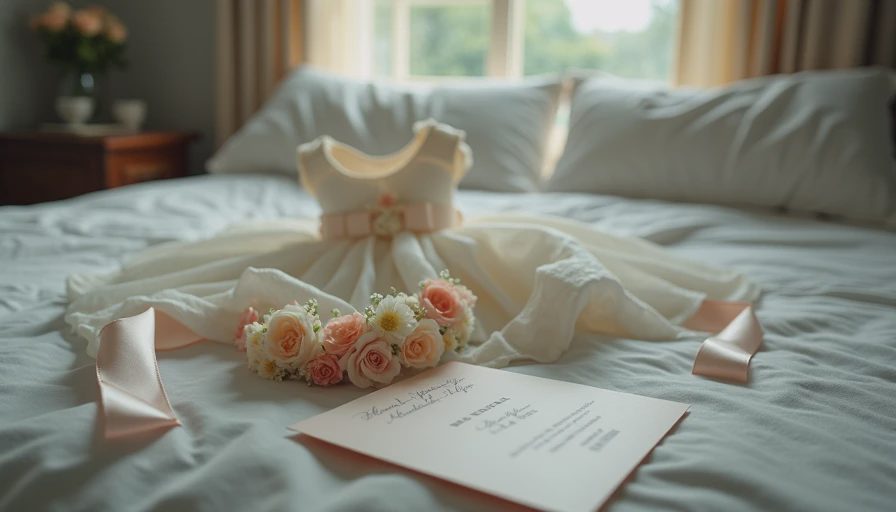
White flower girl dresses have a particular kind of quiet magic. They catch the light in a garden, soften a family photograph, and move beautifully when a child walks rather than poses. But the right dress should do more than match a ceremony. It should feel comfortable enough for sitting on the grass, warm enough for an evening breeze, and expressive enough that the child wearing it still looks like themselves.
I think of special-occasion dressing as an editing exercise. The goal is not maximum decoration. It is finding the right shape, texture, and small surprise. A simple cotton dress with a gathered sleeve can feel more memorable than a heavily embellished gown. Clothes should speak for the child, not over them.
Start with the fabric, not the embellishment
When looking at white flower girl dresses, begin with the hand of the fabric. Hold the garment near a window if you can. Cotton voile feels airy and slightly matte, while linen-cotton blends have a gentle irregularity that looks lovely outdoors. Tulle creates volume, but several layers can become warm and scratchy, especially during a summer ceremony. Satin reflects light dramatically, though it can feel slippery and show wrinkles quickly.
For an event in Savannah or another humid climate, breathable cotton, cotton lawn, and lightweight linen are practical choices. For a cooler indoor celebration, a lined cotton dress or soft velvet ribbon can add warmth without turning the child into a miniature formalwear display. Check the lining, too. A beautiful outer fabric is not enough if the inside seams rub at the neck or armhole.
A useful test is to let the child wear the dress at home for ten minutes. Ask whether they can raise both arms, sit cross-legged, and walk quickly. Their answers will tell you more than a product photograph.
Look closely at proportion and movement
The silhouette matters because children are in motion. A dress with a defined waist and a full skirt can make twirling irresistible, but too much volume may catch on chairs or make bathroom trips unnecessarily complicated. A softly gathered A-line shape offers movement without requiring a child to manage a cloud of tulle.
White flower girl dresses often come in lengths ranging from above the knee to ankle grazing. Tea length is a particularly useful middle ground: formal enough for photographs, but short enough for walking, dancing, and climbing steps. If the ceremony takes place on grass, a hem that clears the shoes by an inch or two is usually easier to live with than a sweeping train.
Pay attention to shoulder width and armholes. A child should be able to carry a basket, wave to a guest, or hold a sibling’s hand without the bodice pulling. Adjustable straps, elastic at the back, and a modest seam allowance can give a growing child more than one season of wear. A dress that fits beautifully through the chest but restricts the arms is not well designed.
White does not have to mean one flat shade
White changes with its surroundings. In afternoon sun, optic white can look crisp and almost blue. Ivory reads warmer beside greenery, while a soft cream can harmonize with aged wood, candlelight, or a vintage lace veil. There is no universal correct white; there is only the white that makes sense with the setting and the child’s coloring.
When choosing white flower girl dresses, place the fabric beside the flowers, shoes, and other clothing that will appear nearby. A bright white dress beside ivory blooms can make the flowers seem dull. Conversely, a warm dress beside cool white linens may look intentionally gentle rather than mismatched. A small fabric swatch is worth carrying to a florist appointment or venue visit.
Details should have a reason. A row of covered buttons gives the back a lovely rhythm. A narrow sash can define the waist without becoming a bow that dominates the photograph. Embroidery at the collar or hem creates interest close to the body, where it feels personal. I am less persuaded by decoration scattered everywhere; the eye needs somewhere to rest.

Give the child a voice in the final choice
A child does not need to understand textile terminology to have a real opinion. Offer two or three thoughtful options and ask questions that invite observation. Which fabric feels nicest? Would you rather have sleeves or bare shoulders? Does this skirt make it easy to walk? Would you like a ribbon, a flower, or no extra detail at all?
Iris once rejected a perfectly lovely dress because the waist bow felt, in her words, like it was trying to talk louder than she was. She chose a plainer dress with tiny embroidered leaves instead. That choice was not less festive. It was more recognizably hers.
This is also a good reason to avoid styling a child as a miniature version of the wedding party. Coordinating colors can be enough. If the attendants wear sage, a child might wear ivory with a sage ribbon, embroidered leaves, or shoes in a muted green. The connection is visible without turning the dress into a costume.
Build the rest of the outfit with restraint
Shoes should support the dress rather than compete with it. Soft leather Mary Janes, simple ballet flats, or polished sandals can all work depending on the setting. Break them in before the event, and avoid a sole so smooth that it feels uncertain on tile or stone. Socks can be part of the composition: ribbed cotton adds a little texture, while a bare ankle keeps a tea-length dress light and summery.
For white flower girl dresses with a fuller skirt, a narrow headband or small barrette usually feels more considered than a large floral crown. If the child wants flowers, choose a scale that leaves the face visible. A single flower tucked near a braid can be more beautiful than a heavy arrangement.
Bring a small emergency kit with stain remover, safety pins, a spare pair of tights or socks, and a soft undershirt if the weather changes. A cotton slip can prevent cling and add comfort beneath a translucent skirt. These practical layers are invisible in photographs but make the day easier.
A buyer’s checklist for the fitting room
Before purchasing, inspect the dress from the inside out. Look for smooth seams, secure buttons, and a lining that does not twist. Pull the zipper gently several times. Check whether the hem is even and whether embellishments are attached firmly enough to survive a long day. If the dress requires dry cleaning after one afternoon, consider whether that maintenance suits the family’s real life.
Try the intended undergarments beneath the dress, then have the child sit, bend, and walk. Leave enough room for a meal and normal growth, but do not size up so dramatically that the shoulders slide or the hem becomes a tripping hazard. A $45 cotton dress with thoughtful construction can serve a child better than a $180 gown that looks impressive only on a hanger.
White flower girl dresses are at their best when the child can forget about them. Once the fabric breathes, the seams stay quiet, and the skirt moves naturally, the dress becomes part of the day instead of its main event. That is the real test: not whether the outfit performs for the adults, but whether it gives the child room to walk, wonder, and be fully present.




No comments yet — be the first to share a thought.