On a Saturday morning a few weeks back, Iris stood in front of her open closet for eleven minutes before pulling out a mustard-yellow corduroy pinafore she'd been ignoring since spring. She paired it with a striped turtleneck, her favorite red sneakers, and a barrette that didn't match anything. It was perfect because she chose it. That's the thing about cute outfits for kids — they only work when the child inside them feels like the author of the look, not the model.
I spent eight years buying children's clothing for Nordstrom, and I never once saw a trend make a child light up the way a favorite color or soft, familiar fabric can. Parents ask me how to put together cute outfits that photograph well. I ask the same question first: What does your child want to wear? Because the answer is where real style begins.
Cute Outfits Start With the Child, Not the Trend
The fastest way to ruin a child's relationship with their closet is to treat it as a costume closet for someone else's taste. Mini-me dressing, head-to-toe influencer looks, matching family outfits — they all send the same message: your job is to look good for us. Clothes should speak for the child, not over them. In my wardrobe edits, the most successful closets are the ones where the parent curates the options and the child makes the final call.
That doesn't mean handing the credit card to a six-year-old. Build a selection of pieces that work together, then let your kid put them together their own way. The pinafore Iris chose was one I'd bought on sale because I knew the corduroy would soften beautifully. The turtleneck was a hand-me-down. The sneakers were two years old. None of it was new, and all of it was her.
Train Your Eye on Fabric and Fit
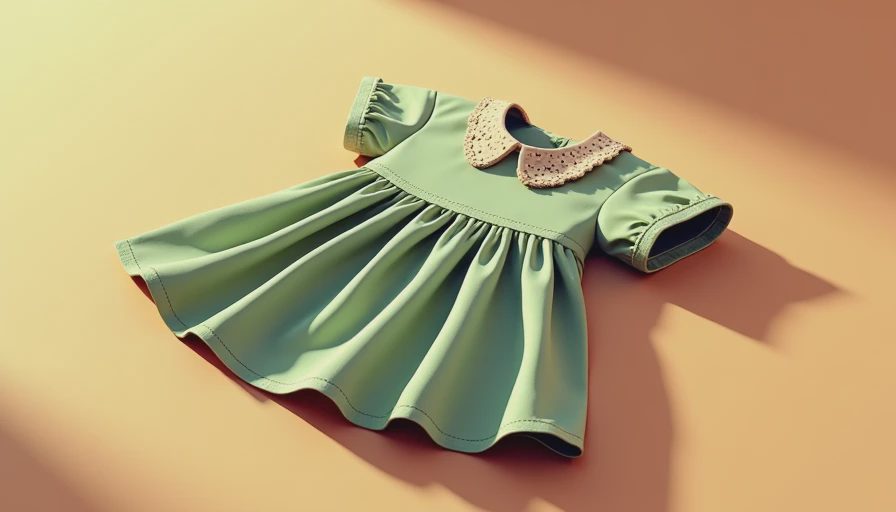
Here's what I wish every parent knew: cute outfits don't start in the store. They start in the washing machine. The difference between a piece that looks great after twenty wears and one that looks tired after three comes down to fabric hand — the way a textile feels and moves. Run your fingers across a cotton jersey before you buy it. If it feels thin and papery, it will feel worse after a few washes. Good mid-weight cotton gets softer without losing its shape.
Check the seams, not just the print. Turn a shirt inside out and look at the stitching along the shoulders and hem. Flat, even seams mean the pattern was graded thoughtfully — a buyer's term for clothes that scale up correctly across sizes. And when you're shopping for the child, not the photo, remember that the best silhouette lets them move: knees that can bend, arms that can reach. A child who can climb a tree in their outfit will love that outfit forever.
Give the Closet a Palette, Not a Rulebook
The easiest way to make everything in a drawer work together is to give the closet a loose color story. Choose two or three neutrals — stone, navy, or warm oatmeal — and let the child pick the accent colors they're drawn to. Iris cycles through phases: electric blue one season, tomato red the next. I keep the neutrals steady and let her favorites come and go. Nothing matches in a strict way, but everything harmonizes.
And a gentle reminder from someone who's spent years in children's showrooms: clothes don't have genders, and neither should your shopping list. A skirt is a skirt; cargo pants are just pants. The child decides what they love. Hand a kid the freedom to choose across the whole rack, and you'd be surprised what they gravitate toward.
Three Formulas That Work Every Time
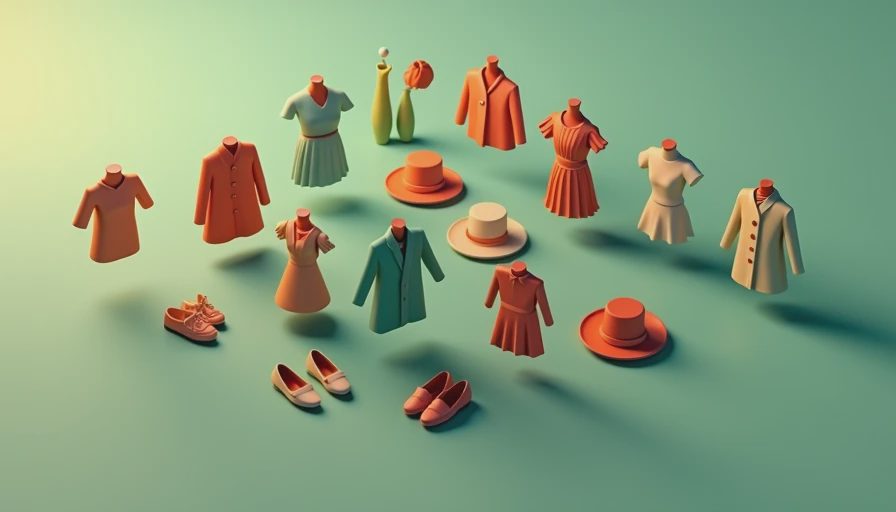
If you want cute outfits without the morning battle, memorize a few formulas. They're not strict rules — just starting points that leave room for a child's own additions.
The Pinafore Stack. A corduroy or denim pinafore over a long-sleeve tee, with sneakers or clogs. It reads polished without trying and layers beautifully into colder months.
The Overalls Pairing. Overalls with a soft turtleneck underneath, cuffed at the ankle so the socks can show. Kids love picking wild socks, and this outfit gives them a canvas.
The Big Sweatshirt Equation. One generously sized sweatshirt — thrifted or new — worn with wide-leg pants. Add a beanie or hair clip of their choosing for a look that's comfortable enough for the playground and put-together enough for a family dinner.
The Seasonal Edit: What Goes In, What Comes Out
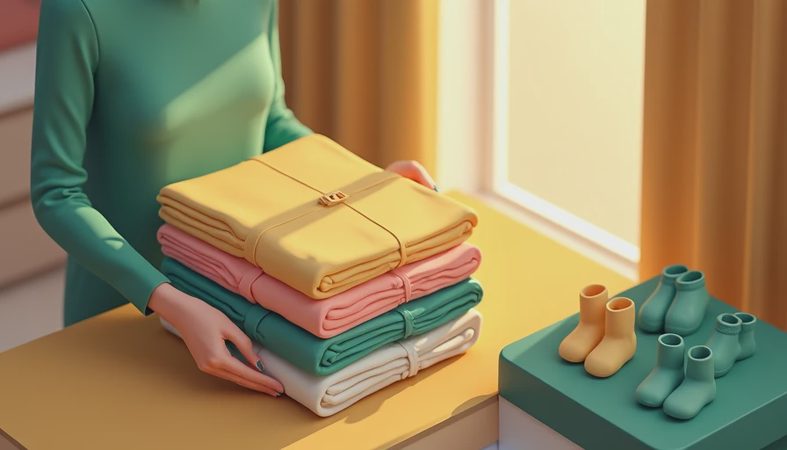
Twice a year, I go through Iris's closet with her and we do a simple edit. We pull everything out, sort into keep, maybe, and outgrown, and talk about what she actually reaches for. The maybe pile sits in a box under her bed for a month. If it hasn't been missed, it moves on. This habit keeps the closet manageable and teaches her that clothes earn their place by being worn.
For a fall edit, I'd make sure there were a few reliable layers: a mid-weight sweater, a quilted vest, a rain coat roomy enough for a fleece underneath. Then I'd let the child add one wild card. For Iris last year, it was a pair of glittery rain boots she wore with everything from shorts to a velvet dress. That one small item made the season feel like hers.
Clothes should speak for the child, not over them. The mornings I love most are the ones I don't plan — Iris in a floral dress over leggings, mismatched socks, a wooden bead necklace from a birthday party. My first instinct is to adjust her. I've learned to stop. Cute outfits, in the end, aren't really about the clothes. They're about the child who wears them.


No comments yet — be the first to share a thought.