When people ask me about family matching clothes, I think first about texture, not symmetry. A soft cotton knit in oyster and sand can look elegant without turning a family into a costume. The best versions do one thing well: they create a shared mood while leaving room for a child to choose the shirt they reach for, the sleeve length they can tolerate, and the color that catches light on their face. That is the quiet magic. Clothes should speak for the child, not over them.
Start with a palette, not a uniform
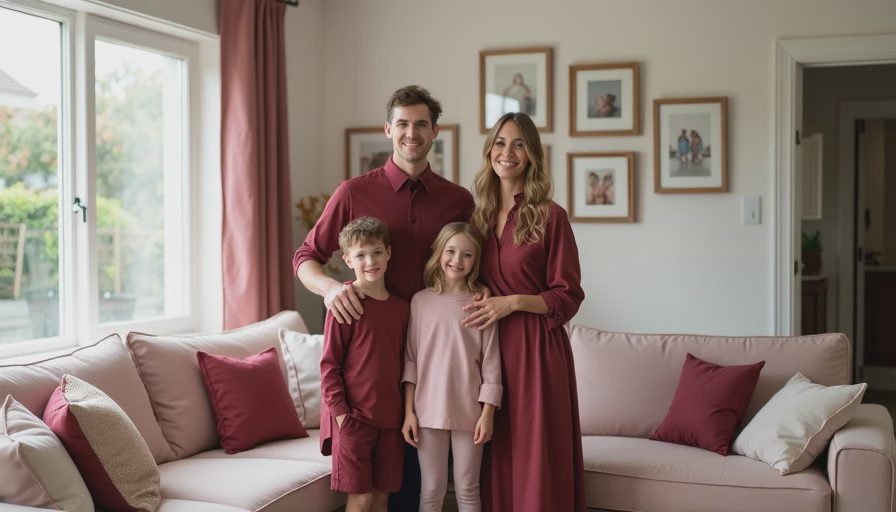
With family matching clothes, I usually start with two or three colors and one repeating texture. Think cream, navy, and a little moss green. Think denim, brushed cotton, and a sweater with a soft rib that catches the light. You do not need identical pieces to make the look feel linked. A parent in a crisp white shirt, one child in a white tee, and another in a cream knit can read as a family without looking staged.
The trick is to let the palette do the work. If the colors are close and the fabrics are related, your eye fills in the rest. That gives you more freedom on fit and comfort, which matters a great deal when one child wants a twirly skirt, another wants loose trousers, and someone else will only wear a collar if it lies flat.
For holiday cards, I like to keep the palette restrained and let one detail carry personality. Maybe it is a velvet bow, a striped sock, or a tiny cable-knit cardigan over a simple dress. The picture feels coordinated, but nobody looks dressed by committee.
Choose fabrics that move well in real life
A good-looking outfit that feels prickly will never stay on a child long enough to matter. When I shop, I look for fabrics that bend with the body instead of fighting it. Cotton jersey drapes softly and travels well. Poplin can be lovely if it is light enough to breathe. Merino is wonderful in cooler weather because it layers without bulk. In Savannah humidity, I will always favor a fabric that lets air through the weave.
This is where family matching clothes can get smarter than they first appear. A parent may want a button-down, but a child may do better in a pull-on shirt that has the same stripe or color. A linen dress can be beautiful, yet if it wrinkles into a scratchy crease, the child will tug at it all afternoon. Better to choose fabrics that skim, not cling; that move when someone runs across the yard; that keep looking calm after snack time.
If you are shopping online, zoom in on the product photos and read the fabric content. A little stretch in cotton can make a huge difference. So can a lined skirt, a tagless neckline, or an elastic waist that lies flat instead of digging in.
Keep the shapes simple enough for each person to own
The easiest way to make a coordinated family look feel fresh is to vary the silhouette. One person in a boxy tee, another in a gathered dress, another in straight-leg chinos can look related without feeling identical. The eye notices the shared color story first, then the differences in shape, and that is where personality lives.
The trick with family matching clothes is to treat fit as part of the design. A child who likes movement may love a fuller sleeve or a wider leg. A child who hates fussy layers may prefer a smooth sweatshirt and clean lines. Parents often assume the matching piece must be the same cut, but it usually looks more polished when each body gets the shape that suits it best.
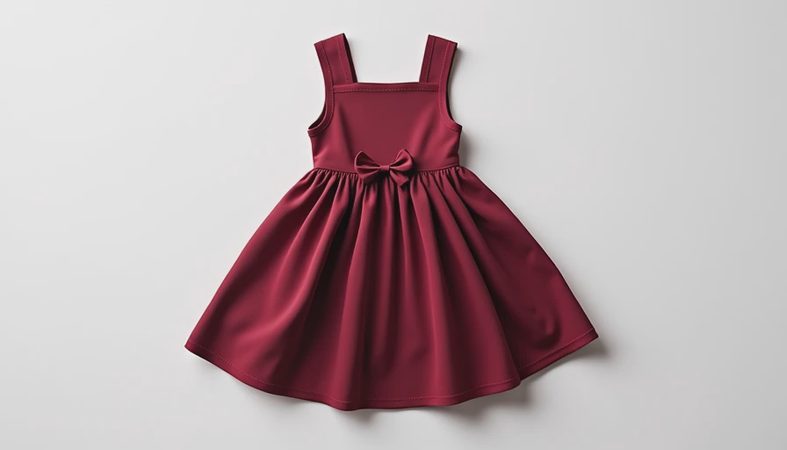
If you are building outfits for siblings, think in terms of a family of shapes rather than copies. One child can wear a swingy skirt while another wears cuffed pants in the same fabric family. A third can stay in a sweatshirt, as long as the color and texture belong to the same conversation.
Make the photo look better by leaving room for motion
The best pictures are rarely the stiffest ones. When a family can move, sit, carry a tote, and pick up a toddler without tugging at hems, the clothes look alive. I love sleeves that catch the breeze, hemlines that fall cleanly, and shoes that let everyone walk across grass without fuss. That is why family matching clothes work best when they are meant for a real afternoon, not only for the camera.
Think about what the family will actually do. If you are headed to a park, choose pieces that can handle sitting on a blanket. If the plan is a dinner out, keep the fabrics a touch dressier but still comfortable enough for a long meal. If it is a beach trip, pick breathable layers and skip anything that will show every speck of sand.
A coordinated look should never make a child feel pinned into place. Leave a little room at the wrists, a little ease at the waist, and a little softness around the neckline. That is how the pictures keep their charm after the photo session is over.
Shop the outfit like a wardrobe, not a one-time stunt
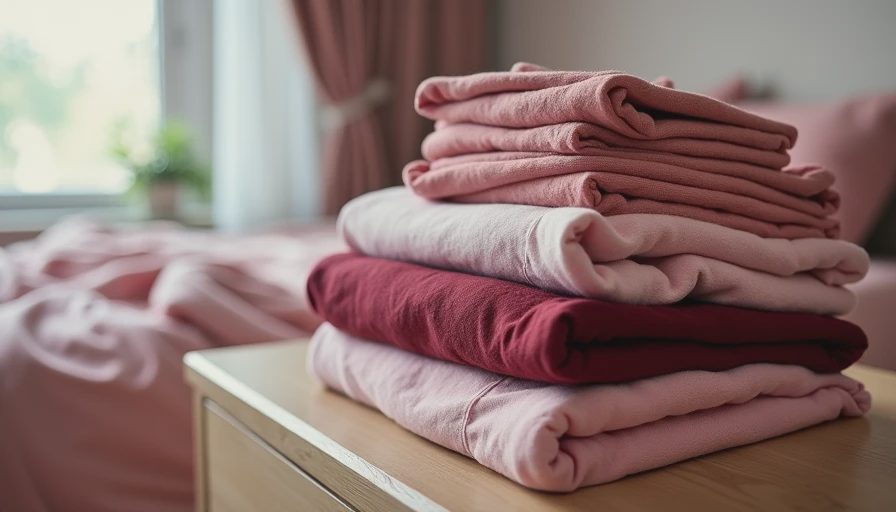
I like families to buy one anchor piece per person and then build around it. That might be a striped knit, a corduroy overshirt, or a pair of dark jeans that already fits well. Once you have the anchor, the rest gets easier. You can add a cream tee, a green cardigan, or a plaid scarf without starting from scratch.
This is also where you can keep costs sane. A simple coordinated look can be assembled from pieces in the $25 to $60 range per child if you are mixing basics from places like Primary, Hanna Andersson, or a dependable department-store line. Add one nicer item, like a holiday sweater or a tailored pair of trousers, and you still stay far below the cost of buying a fully styled set for everyone.
When I am helping a parent shop, I ask one question: will this still feel good after the photos are done? If the answer is yes, the outfit has a life beyond a single Sunday afternoon. That is what makes it worth buying.
A simple way to build the look at home
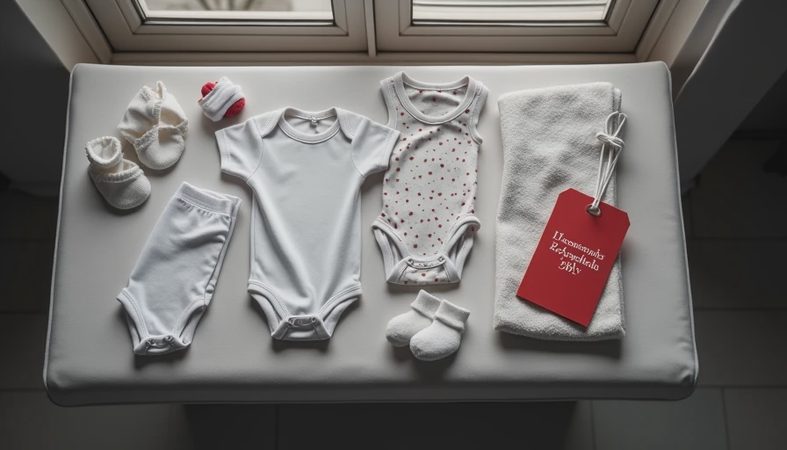
If you want family matching clothes that feel easy rather than staged, start with one color, one texture, and one child-approved detail. Lay the pieces on a bed in daylight and see how they sit together. If the mix looks calm in the morning light, it will usually look even better outdoors. If it feels too perfect, add one soft mismatch, like a different shoe color or a sweater with a looser knit.
I tell parents to shop the child first and the camera second. When a child likes how something feels, they carry themselves differently. Their shoulders settle. Their smile arrives faster. That is the part most people remember in the picture, not whether every hem was identical.
If you are building a holiday card, planning a trip, or just want a Sunday look that feels considered, family matching clothes can be lovely when they stay gentle. Choose fabrics with good hand, colors that flatter the light, and shapes that let each person breathe. Clothes should speak for the child, not over them.


No comments yet — be the first to share a thought.