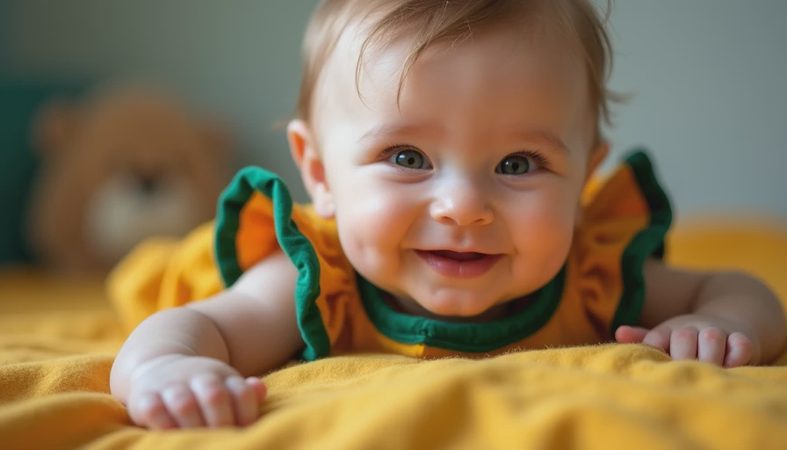
On a Saturday morning in Forsyth Park, I watch a toddler in a mustard-yellow jumper chase a pigeon. It's not a boy's outfit or a girl's outfit — it's simply a child's. That's the quiet promise of gender neutral baby clothes: they let the personality do the styling before anyone else gets a vote. In eight years as a kids' buyer, I saw the pattern again and again: parents shop by label, then wonder why nothing gets worn.
That change starts with a simple idea: clothes should speak for the child, not over them. A baby doesn't care about the tag or the color of the hanger. They care about whether the fabric scratches, whether the waist digs, whether they can move.
It's telling that the first question strangers ask about a baby is usually boy or girl. A wardrobe should open up room for more questions. What colors catch their eye? Which textures make them laugh? That kind of curiosity is what a neutral palette invites.
Why Gender Neutral Baby Clothes Are More Than a Trend
Walk into any big-box store and you'll see two aisles divided by color. On one side, navy and gray. On the other, pink and lavender. Gender neutral baby clothes sit outside those aisles. They're not about erasing gender. They're about putting the child first.
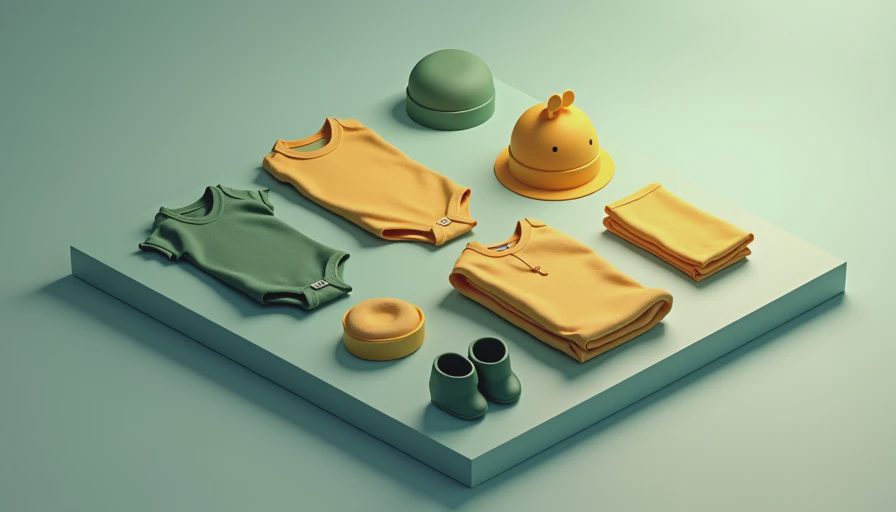
I remember holding a tiny corduroy overall in a dusty rust color and thinking, this is what childhood should feel like. Not performance, not a costume — just texture and room to move. That's the buyer's eye I brought to every vendor meeting. I'd ask about the hand-feel of the fabric, the rise of the pants, the size of the buttons. Those details mattered more than whether the outfit was pinned on a pink hanger or a blue one.
How to Shop Like a Buyer
Here's the trick: start with the fabric, not the print. Organic cotton and bamboo jersey breathe well in Savannah humidity. Covered, flat seams prevent that angry red mark on a newborn's neck. Crumple a piece in your hand. If it springs back soft, it's a keeper.
Look for cuts that work on every body. Drop-shoulder tees, wide-leg pants, and pinafore overalls give a baby room to crawl, roll, and practice standing. Avoid scratchy tags and stiff waistbands. The child will tell you what works, even without words.
Color works differently on children than on adults. A warm mustard looks brighter in morning light, while a dusty sage settles into the background. Don't be afraid of pattern, either. Small-scale stripes and tiny dots read as texture, not noise. Stick to a palette you love and the mixing stays effortless. Take that from a former buyer.

Five Fabrics and Cuts That Earn Their Place
I kept coming back to the same handful of pieces, because they wore like iron and moved like air.
First, organic cotton ribbed leggings. Second, a soft brushed fleece hoodie in olive or oatmeal — gender neutral baby clothes at its most practical. Third, a bamboo muslin swaddle. Fourth, dungarees with adjustable straps. Fifth, a button-front shirt in faded chambray. These survive the hand-me-down cycle.
Building a Capsule Wardrobe Without Gendered Shortcuts
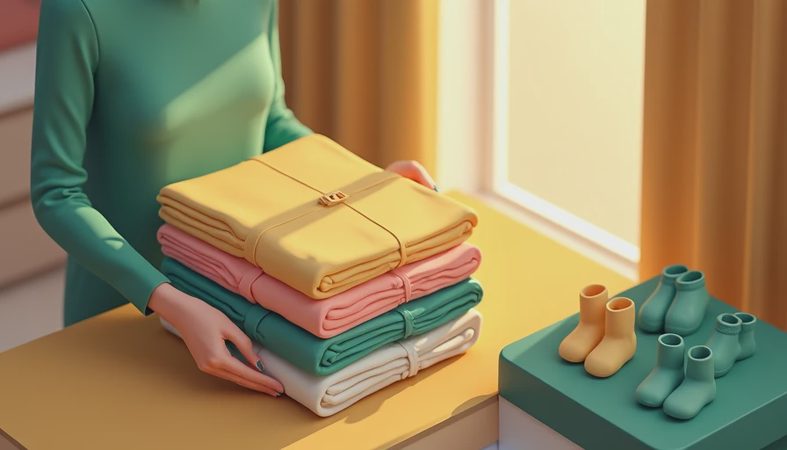
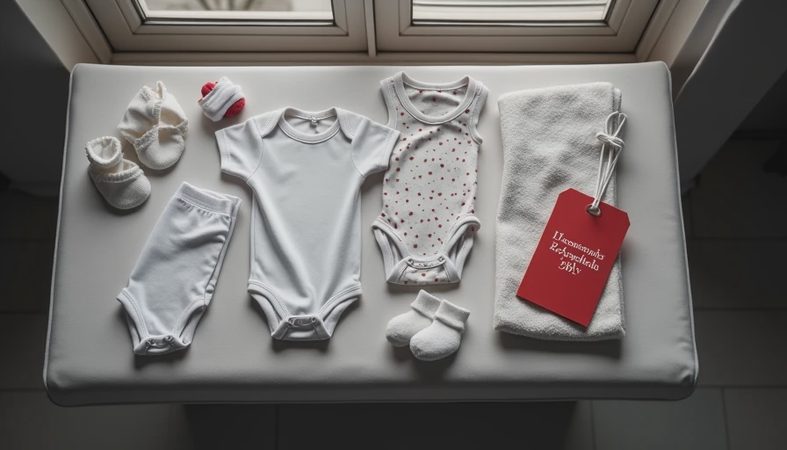
You need about twenty pieces that mix and match. Start with a palette of earth tones — mustard, rust, forest green, stone blue — then add textures: corduroy, jersey, fleece, and a little denim.
Shop by item, not by outfit. Buy green corduroy pants and a mustard tee. The child will create the combinations. Iris once paired a floral smock with striped leggings and too-big rain boots. No one told her which pieces were for which gender. She just dressed by what felt right.
A Quick Checklist for a Neutral Baby Wardrobe
Building a neutral wardrobe doesn't have to be complicated. Choose fabrics that breathe, like organic cotton and bamboo. Look for flat, covered seams so nothing rubs against tender skin. Pick pieces with adjustable straps, so they last through growth spurts. Buy one size up when in doubt — a slightly roomy romper beats a too-tight one. Wash everything before the first wear; softness is a two-wash affair. And if a piece doesn't work, pass it along. Neutral clothes get more mileage because they don't date as fast. Once you have the basics, the child takes over.
The Buyer's Eye Rule
If there's one rule, it's this: put the garment on the child, not on the trend cycle. Is it soft? Does it allow movement? Will it survive a meal, a nap, and a trip to the park? If yes, it belongs in the drawer.
Gender neutral baby clothes don't need to be expensive. Some of my favorite pieces came from a market stall or a hand-me-down bag. What matters is the care behind the making.
So pause. Look for something that speaks to the child you know — not the aisle you're standing in. Build the closet around who they are, not who someone else thinks they should be. Maybe that means yellow overalls or a soft teal cardigan. Trust your eye, and trust the little person who will wear it. Clothes should speak for the child, not over them.

No comments yet — be the first to share a thought.