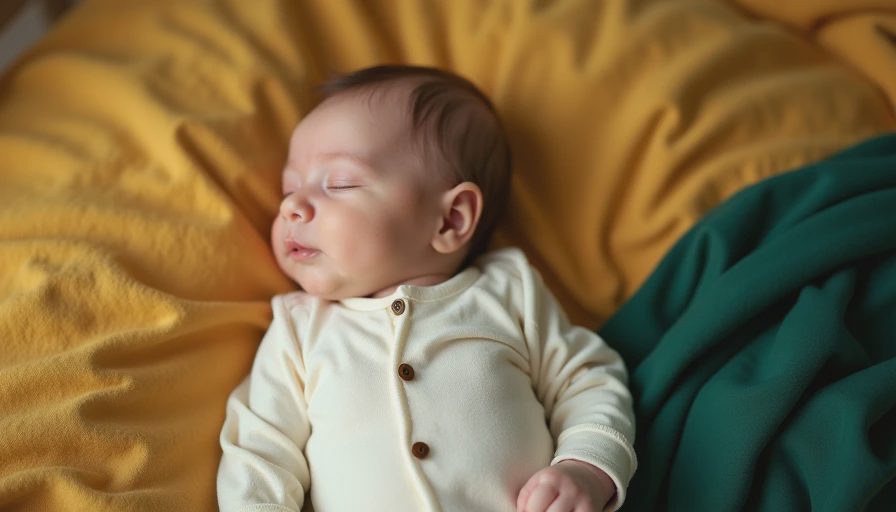
A gender neutral newborn outfit does not have to mean beige, anonymous, or stripped of charm. It can be striped like an old seaside awning, washed in the blue-green of a summer garden, or finished with a tiny wooden button that feels good beneath your fingertips. The point is not to remove personality from baby clothing. It is to make room for it.
When I worked as a children's buyer, I learned that the strongest newborn pieces were rarely the loudest. They had a lovely hand-feel, a sensible closure, and a shape that let a small body curl, stretch, and sleep. Those details matter more than whether a garment is placed in a particular section of a store.
Begin with the fabric, not the color
For a gender neutral newborn outfit, fabric is the first decision I would make. Newborn skin is remarkably communicative; a scratchy seam or stiff finish becomes a full-body objection. Look for combed cotton, soft organic cotton jersey, bamboo blends, or a fine cotton rib with enough stretch for dressing without tugging. The best fabric feels smooth but not slippery, with a little resilience when you pull it gently between your fingers.
Cotton muslin is especially useful in warm climates because it allows air to move around the body. In Savannah, where summer humidity can make even a short walk feel theatrical, I prefer a lightweight knit or an airy wrap over thick fleece. For cooler months, merino wool can be beautiful when it is finely spun and layered over a cotton base, though some babies will still prefer cotton against their skin.
Wash the garment before the first wear. This reveals whether the fabric softens, twists, or loses its shape. A piece that looks poetic on the hanger but puckers after one wash is not a good buy. Newborn clothes should be able to survive the ordinary drama of milk, naps, and repeated laundry.
Let the palette have a point of view
A gender neutral newborn outfit can use color with far more imagination than a simple split between pink and blue. Consider oatmeal with tomato red, faded marigold with cream, or a deep moss green beside warm gray. Dusty lilac, clay, ink, and butter yellow can all feel gentle without becoming precious. In natural light, these shades have depth; under a nursery lamp, they remain soft rather than fluorescent.
Prints are a wonderful place to let a baby wardrobe speak. Look for hand-drawn checks, small botanical marks, quiet stripes, moons, shells, or animals that feel more like illustrations than logos. Scale matters. A print that seems delicate on an adult blouse can become visually overwhelming on a newborn, while a larger, simple motif often reads clearly and sweetly.
I also like a wardrobe where solids and prints can talk to one another. A rust-colored footed sleeper might sit beautifully beneath a cream cardigan with narrow stripes. A plain sage bodysuit can make patterned pants feel considered rather than busy. This is how a small closet begins to feel collected instead of purchased all at once.
Choose shapes that respect a newborn body
The silhouette should follow the child, not turn the child into a display stand. A gender neutral newborn outfit works best when it leaves room through the torso and hips without becoming baggy at the neck. Envelope shoulders make bodysuits easier to remove, while two-way zippers are invaluable during overnight changes. Snaps are useful too, especially when they are firmly attached and spaced so the garment does not gape.
For the first weeks, prioritize footed sleepers, kimono-style tops, soft pants, and stretchy one-piece suits. A wrap top can be reassuring when a baby is not yet comfortable having clothing pulled over the head. Wide waistbands are kinder than narrow elastic, and enclosed seams reduce the chance of rubbing.
Avoid decorative details that have no job. Tiny bows, hard buttons, loose cords, and rough appliques can make a garment less comfortable without making it more beautiful. A simple collar, a curved pocket, or a contrasting cuff often gives more visual pleasure because the proportion is doing the work.
A gender neutral newborn outfit for gifting
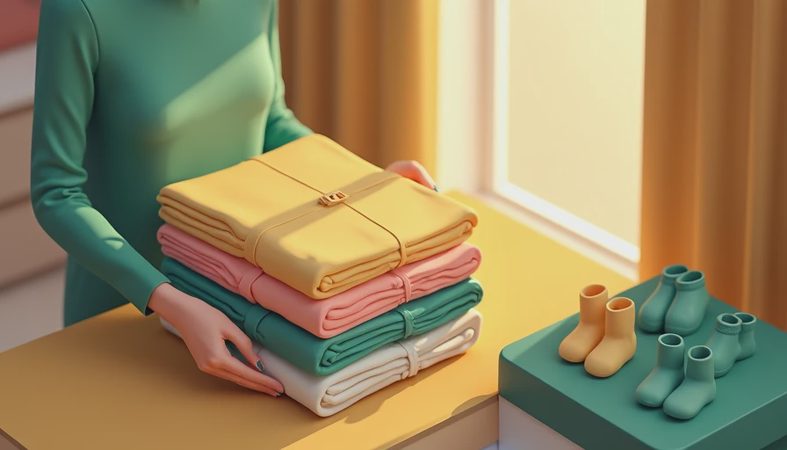
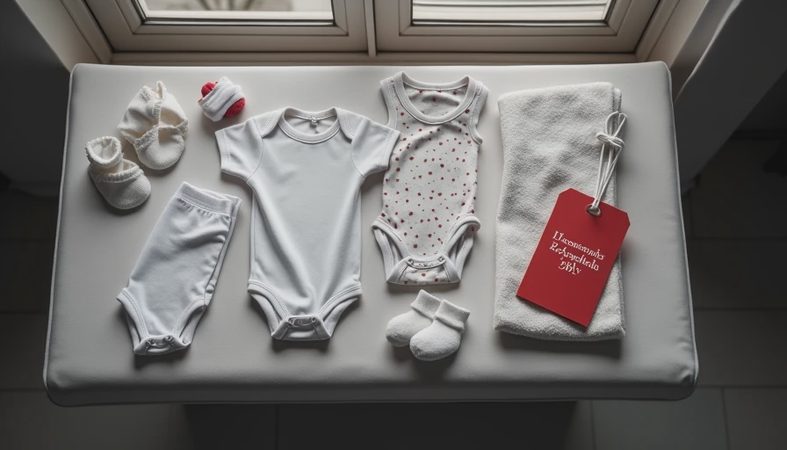
When I am choosing a gift, I think in layers rather than a single showpiece. A practical base, a soft outer layer, and one memorable accessory create a useful little composition. That might be a ribbed cream bodysuit, cinnamon-colored pants, and a knit bonnet in a muted green. The pieces can be worn separately, which is important when newborn sizing changes quickly.
Sizing deserves attention. Newborn sizes are charming but brief, and some babies outgrow them almost immediately. If the gift is not needed for the first photographs or hospital departure, a three-month size can offer a longer life. Check the brand's measurements rather than relying only on the label; sizing varies considerably between makers.
For a polished gift, add a small card explaining the fabric and care instructions. Parents appreciate knowing whether a piece should be washed cold, laid flat, or kept away from the dryer. Presentation can be lovely without excess packaging: tissue paper, a cotton ribbon, and a note about why you chose the color are enough.
Read the details like a buyer
The difference between an ordinary newborn garment and a memorable one often appears in the details. Turn it inside out. Are the seams flat and even? Does the neck binding lie smoothly? Are the snaps aligned? Is the print matched at the center front, or does it abruptly break? None of these questions requires a luxury price tag. They simply require looking closely.
Brand names can help, but they are not a shortcut. Some companies known for baby basics produce excellent cotton staples, while small independent labels may excel at color and pattern. Look at the actual garment, its fiber content, and its construction. A $22 sleeper with thoughtful finishing can be a better purchase than a $60 piece whose fabric feels thin and whose zipper catches.
For a gender neutral newborn outfit, I especially notice the quality of the neckline and closures. These areas receive the most handling. If the fabric pulls when you open a snap or the zipper waves across the chest, the garment will probably become frustrating after several washes.
Dress for the baby in front of you
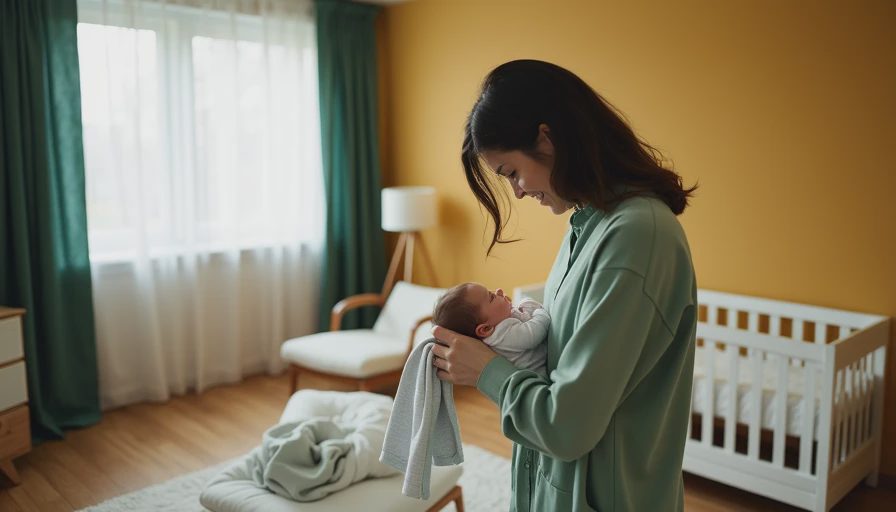
Newborn style should remain responsive. Some babies run warm; others want an extra layer. Some tolerate hats, while others remove them with astonishing determination. The right outfit is the one that supports feeding, sleep, movement, and the parent who is dressing a wiggling body at three in the morning.
Try placing the pieces together before the baby wears them. Ask whether the colors rest well beside one another and whether the textures create a comfortable rhythm. A smooth jersey beneath a nubby knit is more interesting than several competing prints. If an outfit feels over-designed, remove one element. Small children rarely need more decoration; they need freedom.
Iris once told me that the best characters in picture books are recognizable even when they are wearing simple clothes. I think about that often. A baby does not need a costume to have presence. A well-cut sleeper, a thoughtful stripe, and a beautiful color can be enough.
Clothes should speak for the child, not over them. That is the quiet pleasure of a gender neutral newborn outfit: it offers comfort, texture, and possibility before anyone has decided who the child will become.

No comments yet — be the first to share a thought.