When I style siblings, I want a shared note, not a copy. matching brother sister outfits do not have to look like a costume rack exploded in the laundry room. The best pairs feel related in light, color, or texture, then give each child a shape that suits the way they move. A good hem swishes when one child runs; a good tee keeps its neck after a wash; a good cardigan softens in the shoulder instead of slumping. Clothes should speak for the child, not over them.
Start with fabric, not a full costume
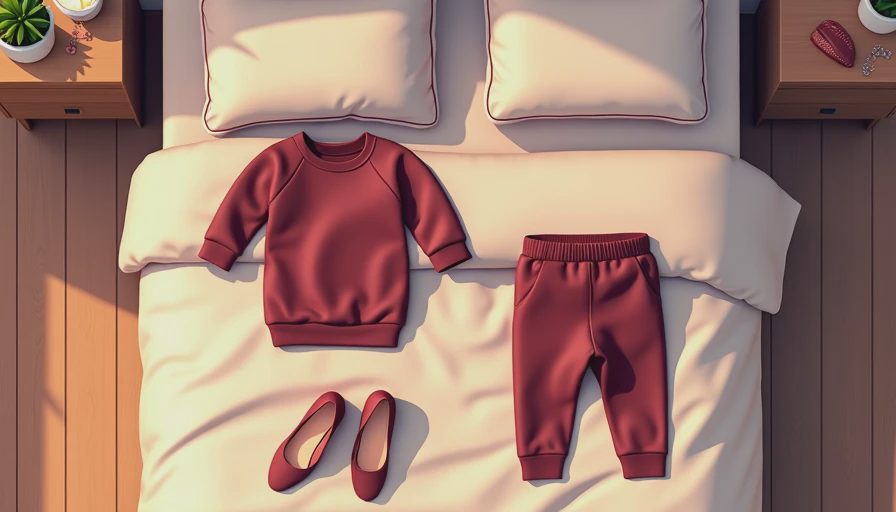
Begin with the cloth. Cotton voile, rib knit, brushed jersey, seersucker, and washed linen all create a family feeling before you ever touch a print. In Savannah heat, a crisp poplin shirt and a softer skirt can share the same blue without feeling heavy. In cooler weather, a fine corduroy or merino layer gives the same effect with more weight. If you are shopping at places like Primary, Hanna Andersson, or Boden, look past the styling photos and study the hand of the fabric. A solid set can coordinate better than a loud theme, because it leaves room for a child's own shoes, socks, and attitude.
What I tell parents is to think in paragraphs, not costumes. One paragraph might be navy, cream, and a hint of green. Another might be the same gingham in two different scales, or the same sweater in two cuts. That is often enough. A younger child may need a pull-on short and a soft elastic waist; an older child may want a collar, a button placket, or a more tailored leg. If both pieces share one quiet thread, matching brother sister outfits feel intentional instead of forced.

matching brother sister outfits that photograph well and still feel like everyday clothes
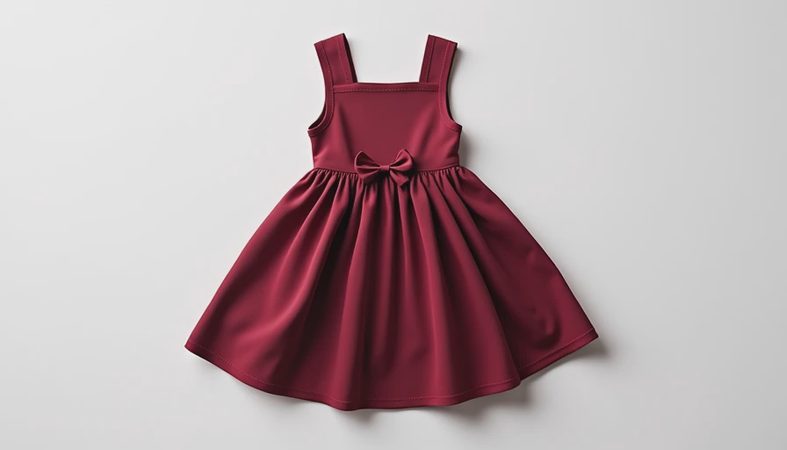
Photos reward clarity. A family picture usually looks better when the children share one or two decisions and keep the rest individual. I like a palette with a little breathing room: chambray, ivory, moss, faded coral, or warm navy. Those colors hold up in bright sun and in the softer light that comes through a kitchen window. A little contrast helps too. One child in a dress with gathered sleeves, another in a knit polo and straight-leg pants, and both in the same color family will read as related without looking staged.
The easiest mistake is putting every child in the exact same item and then wondering why the result feels stiff. The eye wants variation. One child can wear a print while the other wears a solid pulled from the print. One can have sandals, the other sneakers. If you want a more polished picture, repeat the shape of the neckline or the shade of the hem rather than the whole garment. matching brother sister outfits work best when the repeat is quiet enough that the child is still the main story.
Shop by season, event, and the way the child actually lives
Spring portraits and Easter brunch ask for different clothes than a July birthday or a December card photo. In warm weather, seersucker, gauze, cotton lawn, and linen blends keep moving air around the body. In cooler months, brushed cotton, corduroy, and soft wool blends add texture without making children feel packed in. If a child is sensitive to seams or scratchy trims, check the inside as closely as the outside. A beautiful collar means very little if the neck binding annoys the child after ten minutes.
For special occasions, I like brands that understand proportion and durability rather than drama. Tea Collection often makes good-looking prints with room to play. Primary leans into solids that are easy to coordinate. Hanna Andersson has a strong reputation for sturdy knits that survive repeat washing. Boden and Janie and Jack tend to offer a more polished finish. You do not need all of them; you need one or two that fit your child’s body and your laundry routine. That is usually where the smartest spending begins.
Let the child choose one detail
Children are much more willing to wear coordinated clothes when they get one clear decision. Let one child pick the shoe color. Let another choose between a knit cardigan and a denim jacket. Let one sibling wear the print and the other wear the solid, or let both wear the same shirt with different sleeves. The point is not control; it is participation. A child who likes the outfit is less likely to twist the hem, tug the waistband, or declare the whole thing scratchy before breakfast.
I have watched this play out with Iris more times than I can count. If the fabric is soft, if the waistband sits flat, and if there is one small detail she chose herself, she stands a little taller. She is not performing for anyone. She is simply comfortable enough to inhabit the clothes. That is the real goal with sibling dressing: the pair should look like a family, but each child should still look like the child they are.
A practical way to shop is to buy one shared item first, then build outward. Start with a color that flatters both children. Add one texture that feels good in hand. Then decide whether the second piece should echo the first or offset it. If the results are too sweet, dial back the print. If they are too plain, add a small pattern in a sock, collar, or hair accessory. The best sibling dressing has rhythm. It is not loud, and it does not need to be.
When I help families choose matching brother sister outfits, I am really helping them find balance: enough sameness to feel intentional, enough difference to leave room for personality. That is the quiet magic. If you begin with fabric, repeat one note, and let the children weigh in, you get outfits that work for photos, parties, and ordinary Tuesdays alike. Clothes should speak for the child, not over them.

No comments yet — be the first to share a thought.