When the weather turns cool, I think less about outfits and more about comfort, touch, and ease. Warm clothes for newborn babies should feel soft enough for sleepy skin, open easily for diaper changes, and hold a small pocket of heat without turning a baby into a bundled parcel. The best pieces do not look bulky on the hanger, but they settle beautifully on the body, with smooth seams and fabric that bends with movement. I like parents to shop for warmth the way they shop for a good blanket: by hand, by texture, and by the way the piece seems to breathe.
What a newborn actually needs
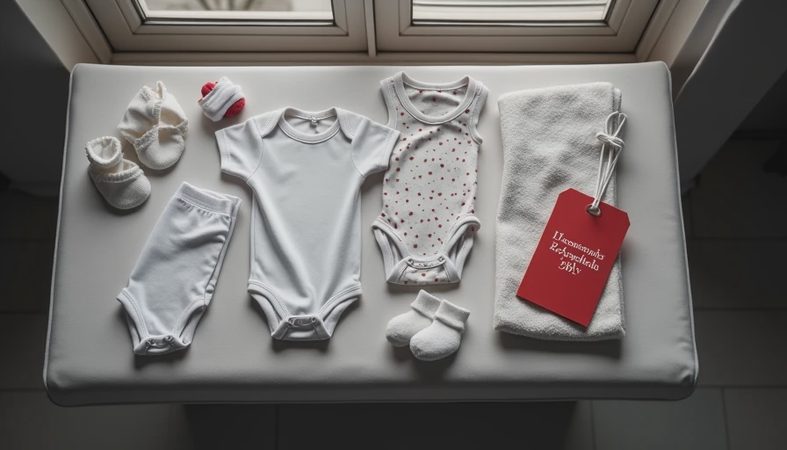
A newborn does not need a crowded drawer. The closet works better when it starts with a few honest pieces: zip sleepers, ribbed bodysuits, a soft cardigan or sweatshirt layer, and a sleep sack for nights. Footed sleepers make nighttime changes simpler because little toes stay covered without wrestling with socks that slide off. Bodysuits matter because they stay flat under everything else. For daytime, a two-layer system is usually enough in most homes: one soft base layer against the skin and one outer layer that traps warmth. If you are building from scratch, spend where the fabric touches skin and keep the rest straightforward. A $14 sleeper that launders well can outperform a fancier one that twists, pills, or rides up at the shoulders.
Warm clothes for newborn sleep and daytime
For sleep, warmth should be quiet, not padded. Loose blankets are not part of the crib setup, so the job usually belongs to a wearable sleep sack. In many homes, a cotton or cotton-blend sleeper plus a light sleep sack gives enough comfort without adding bulk. During the day, a bodysuit under a ribbed footed sleeper can handle a chilly living room or an air-conditioned car. The point is not to stack on layers until the outfit feels serious. The point is to keep the chest warm, the arms flexible, and the diaper area easy to reach. If you live in a drafty house, a zip-front hoodie or a tiny cardigan with gentle stretch can be useful for short stretches, especially when the baby is being held rather than laid flat.

The fabrics that feel best against tiny skin
The fabrics that earn their place are the ones that keep their shape after repeated washing. Cotton rib has that neat, springy texture that lies close to the body and does not snag on tiny fingers. Interlock cotton feels smoother and a little denser, which makes it a good choice for sleepers and daywear. Merino wool can be excellent in cold weather because it warms without much weight, though I like it best when it is soft, fine, and not scratchy at the neckline. Fleece has its place outside or in a stroller, but indoors it can trap too much heat if the room is already warm. For most families, the sweet spot is a cotton base with one warmer layer nearby. That gives you control, which is more useful than buying the thickest thing on the rack.
Layering without overheating
Layering works best when each piece does one job. Start with a bodysuit or undershirt, add a sleeper or romper, and finish with a cardigan, jacket, or sleep sack depending on the setting. If you are heading out for a walk, a pram suit or bunting bag can be easier than wrestling a tiny coat over bent arms. For the car, keep bulky outer layers out of the car seat and use a blanket over the harness once the baby is buckled instead. That small habit keeps the fit snug and the temperature easier to manage. A useful parent trick is to feel the baby’s chest or upper back rather than hands and feet, which often run cool even when the body is comfortable. Warm to the touch is the goal; sweaty is too much.
A simple shopping plan that saves money
If you are buying on a budget, think in terms of a wardrobe, not a pile of singles. Three or four sleepers, five or six bodysuits, two midweight layers, and one sleep sack will carry you farther than a closet full of cute extras. Most basics fall somewhere between $10 and $30 apiece, while better sleep sacks and specialty wool layers can reach $40 to $60. That range makes it worth paying attention to closure type, seam placement, and wash durability. A two-way zipper saves real frustration during late-night changes. Flat seams matter because they sit kinder against skin. Fold-over cuffs can buy you a few weeks of wear when hands are still tiny and unpredictable. If you live in a drafty apartment, one extra cardigan matters more than a drawer of thick outfits. If you shop secondhand, look for intact snaps, smooth elastic, and fabric that still has some spring instead of turning limp.
Small mistakes that make outfits fussy
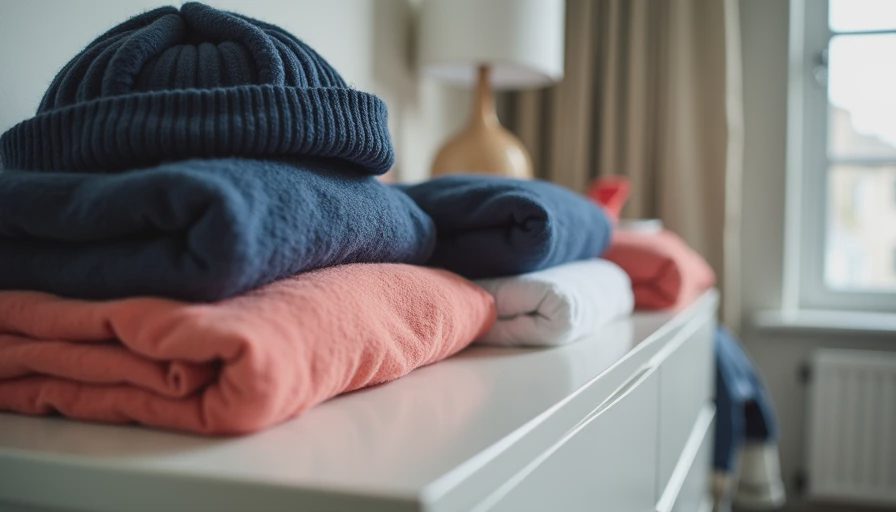
The most common mistake with warm clothes for newborn days is buying too much bulk. A newborn should not look like a marshmallow to feel warm. Another is trusting the tag alone. A thick fabric can still feel cool if the weave is loose, and a lighter knit can be surprisingly cozy if it traps air close to the body. Hats indoors are another easy overcorrection; they are useful on the way home from the hospital or for outdoor air, but they can hold too much heat once the baby is inside. If you are unsure, touch the chest or upper back, wait a few minutes, and adjust one layer at a time. I also skip anything with scratchy labels, decorative ties, or stiff appliqués right where a chin or cheek will rest. The sweet spot is clothing that disappears in the best way: it keeps the baby warm, makes changing simple, and lets the child look like themselves, only softer around the edges. Clothes should speak for the child, not over them.

No comments yet — be the first to share a thought.