When I was buying for Nordstrom's children's floor, the question parents asked me most was simple: "Is this for a boy or a girl?" After eight years of vendor meetings and thousands of small garments, I've learned the better question is, "Does my child love how this feels?" Unisex baby clothes aren't a trend or a compromise. They're a practical, beautiful way to build a wardrobe that grows, plays, and lets a child's personality lead.
Why Unisex Baby Clothes Make Sense
My daughter Iris has always been a kid who dresses like herself. At eight, she'll pair a glittery tutu with a canvas jacket and call it "rain sparkle." But that confidence didn't start with her choosing dresses or trucks. It started with me and her dad giving her a closet full of options that weren't sorted by someone else's idea of gender.
Unisex baby clothes are exactly what they sound like: pieces designed to work for any child. Think loose-fitting tees, joggers that don't cinch too tight, dungarees in deep mustard or soft gray, and cardigans with room to move. They're not "neutral" in the beige-and-boring way people imagine. Some of the most playful prints I've bought for Iris came from the "boys" rack, and half her "girl" wardrobe would look just as sharp on a boy.
When you shop unisex, you're not settling. You're expanding the pool of what works. A soft-washed cotton shirt with a tiny fox on the pocket is unisex. So is a floral romper with a generous cut. The kid decides if it's for them.
How to Spot Quality in Gender-Neutral Pieces
I've sat through hundreds of vendor meetings, and I can tell you: the label says less than the fabric. When I'm evaluating unisex baby clothes for Iris or a client, I look for three things.
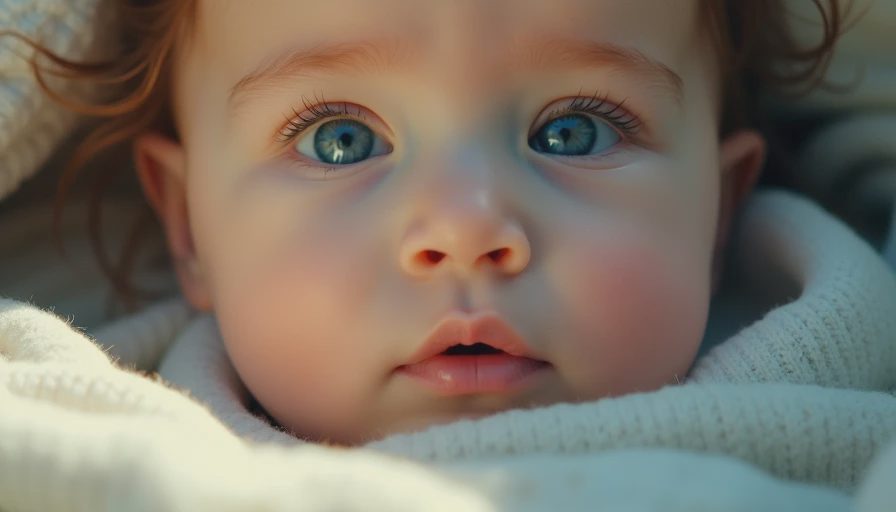
First, the hand-feel. Run your fingers across the fabric. Good cotton jersey should feel smooth, not scratchy, and it should have a little stretch. Look for 100% cotton or a cotton-bamboo blend. Avoid anything with a rough seam near the neck or wrists — that's where a baby will feel it most.
Second, the color. Unisex doesn't mean washed-out. Deep olive, rust, mustard, and plum are all unisex. They photograph beautifully and don't show every food stain. A brussels sprout on a pale lilac onesie is a crisis; on a forest green one, it's a mystery you can ignore until naptime.
Third, the cut. Look at the shoulders and the rise. A good unisex baby garment isn't boxy for the sake of being boxy. It has a straight side seam that falls naturally, a slightly longer back hem, and enough room in the thighs for crawling or sitting. If you can't easily get a hand inside the neck opening, move on.
Five Brands That Do Unisex Baby Clothes Right
When I recommend brands to parents, I'm not name-dropping luxury for its own sake. I'm recommending brands whose patterns I've seen hold up through a hundred washes. Here are five I trust.
Primary is the obvious starting point. Their whole catalog is unisex-sorted, with colors and prints that don't lean one way. A basic Primary tee runs about $14, and during a sale you can stock a season's worth for under $60.
Hanna Andersson is pricier — their organic pajamas hover around $45 — but the quality is real. Their Swedish-style prints are bright without being loud, and the unisex pieces wear like iron. If you find one on clearance, grab it.
For a more European feel, look at Petit Bateau. Their classic striped tees and onesies are genuinely unisex, and the cotton gets softer each wash. Expect to pay around $35 for a bodysuit.
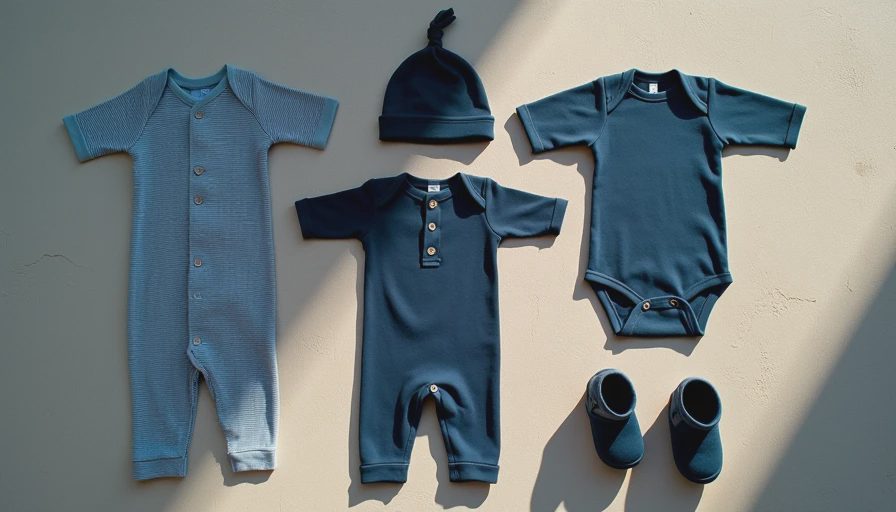
The rule isn't the brand name. It's whether the fabric and cut make you want to pick it up. If a piece feels good in your hands, it'll feel good on your child.
Building a Capsule Wardrobe Without the Gendered Stuff
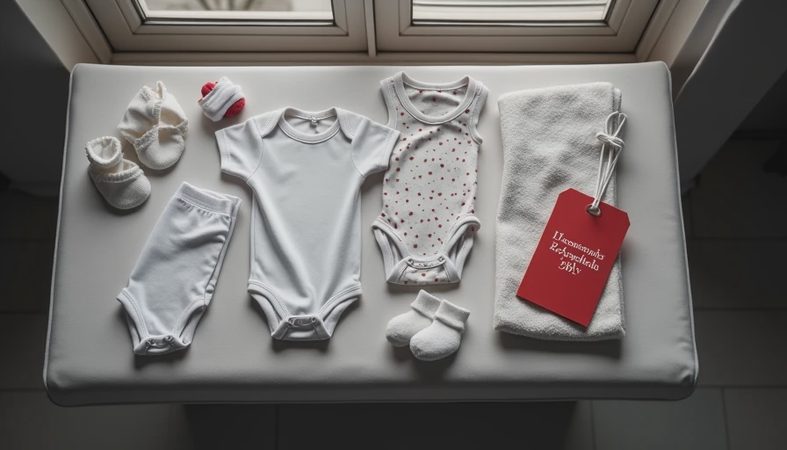
You don't need to toss your child's closet and start over. You just need a few versatile systems. For a baby, I recommend starting with five long-sleeve bodysuits in solid earth tones, three pairs of soft pants with fold-over cuffs, two one-piece rompers in a print you love, one open-front cardigan that works over everything, and a bucket hat because sun protection is unisex.
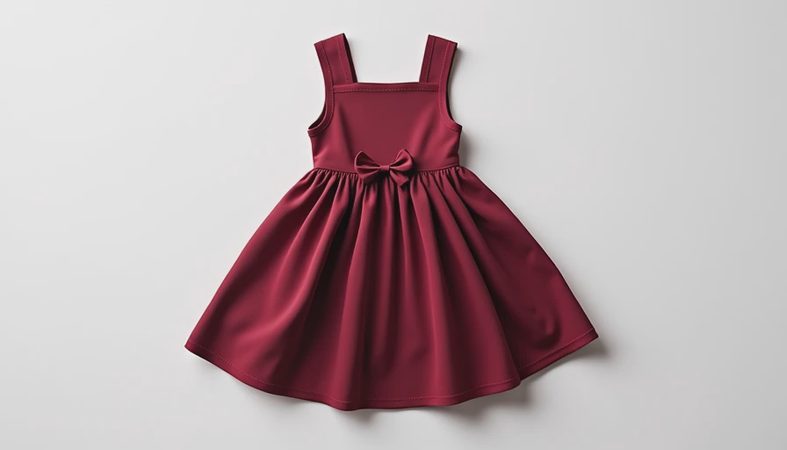
Mix in a few pieces from the "other" section if they catch your eye. A rainbow-striped shirt is unisex. A dinosaur onesie is unisex. A tutu? Also unisex, if the kid wants to wear it. The point is to train your eye away from the store's sorting and toward the child.
The Final Word: Clothes Should Speak for the Child
I've written this whole post about unisex baby clothes, but the real lesson is simpler. A child's wardrobe should be a conversation, not a label. You don't have to sort everything into pink and blue. You just have to pay attention to what your child responds to — the fabric they rub against their cheek, the colors they reach for, the way they march down the street in an outfit they picked themselves.
Start with a few unisex basics. See how they hold up. Watch how your child moves in them. And then let your own taste take over. You'll end up with a closet that feels less like a rulebook and more like an open invitation.
If you want help putting together a seasonal wardrobe for your little one, that's what I do. Head to the Iris & Thorn page and tell me about your kid's style. I'd love to hear what they're drawn to.
No comments yet — be the first to share a thought.