The Department Store Epiphany
I still remember the exact moment. It was a Tuesday afternoon in the Nordstrom children’s department, fluorescent lights humming overhead, racks perfectly color-blocked by size and season. A little girl—no more than six—stood in front of a mirror in a sparkly pink dress that cost more than my weekly grocery bill. Her mother kept saying, “You look like a princess!” The girl just stared at her reflection with this quiet, uncertain expression, tugging at the itchy tulle.
That was the day I realized we weren’t selling clothes anymore. We were selling miniature versions of adult fantasies.
Eight years of vendor meetings, trend forecasts, and sales targets had brought me to this: watching children disappear inside someone else’s idea of cute. I handed in my notice two weeks later.
What the Buyer’s Chair Actually Taught Me
Most people imagine a buyer’s job as glamorous—flying to trade shows, picking pretty things. The reality is spreadsheets, margin calculations, and hundreds of tiny decisions about seam strength, fabric weight, and how many times a garment can survive the washing machine before it falls apart.
I learned which brands graded their patterns with care so sleeves didn’t twist after the third wear. I could tell in ten seconds whether a collar would frame a small face beautifully or swallow it whole. But the longer I stayed, the more I noticed something missing from every meeting: the child’s own voice.
We talked about “market demand,” “comp sets,” and “price points.” Almost never about imagination, autonomy, or the way a four-year-old lights up when their outfit feels like them.
The Day I Started Shopping With Iris Instead of For Her
My daughter Iris was five when I began the transition. Saturday mornings used to be me filling her closet with coordinated sets. Then one day I laid out six different tops and let her choose.
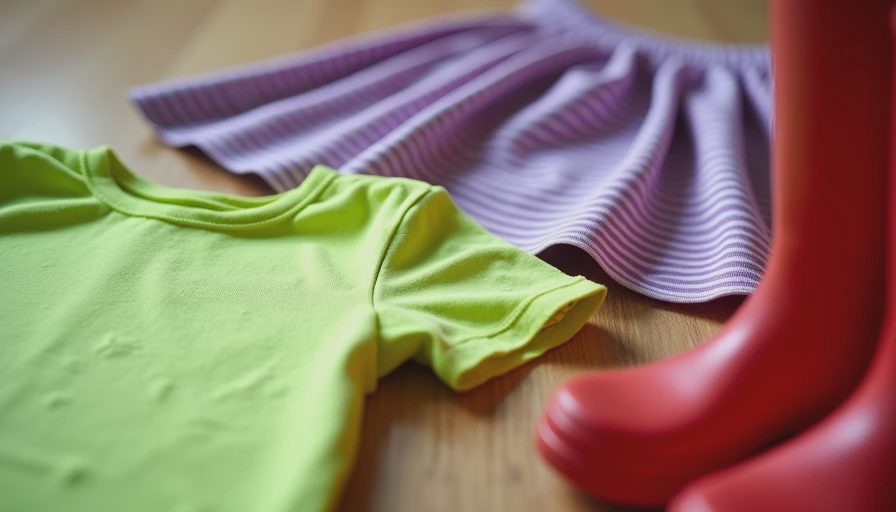
The result? A neon green shirt with a purple striped skirt and red rain boots. She looked like a walking crayon box having the best day of her life.
And you know what? The world didn’t end. No one called child services. She just felt powerful. That mismatched, joyful outfit taught me more about children’s style than any buying report ever could.
Clothes should speak for the child, not over them.
Why This Matters More Than We Admit
Children are bombarded with messages about who they should be—from screens, from peers, from well-meaning adults. Their closet becomes one of the few places where they can practice deciding for themselves.
When we hand them clothes that reflect our aesthetic goals rather than their emerging sense of self, we accidentally teach them that appearance is performance. When we let them choose (within reason and safety), we’re giving them early practice in identity formation.
This isn’t about letting them wear snow boots in July. It’s about creating space for their preferences to matter. The kid who insists on wearing the dinosaur shirt three days in a row isn’t being difficult. They’re declaring something about who they are right now.
Leaving the Corporate Track
Leaving Nordstrom wasn’t financially glamorous. I traded a steady paycheck for the terrifying freedom of starting Iris & Thorn, my children’s style consultancy. Some days I still miss the structure. Most days I don’t.
Because now my work is about asking bigger questions:
How does the texture of a fabric affect how a child moves through their day?
What happens when we stop sorting clothes by gender and start sorting by “does this feel good on your skin?”
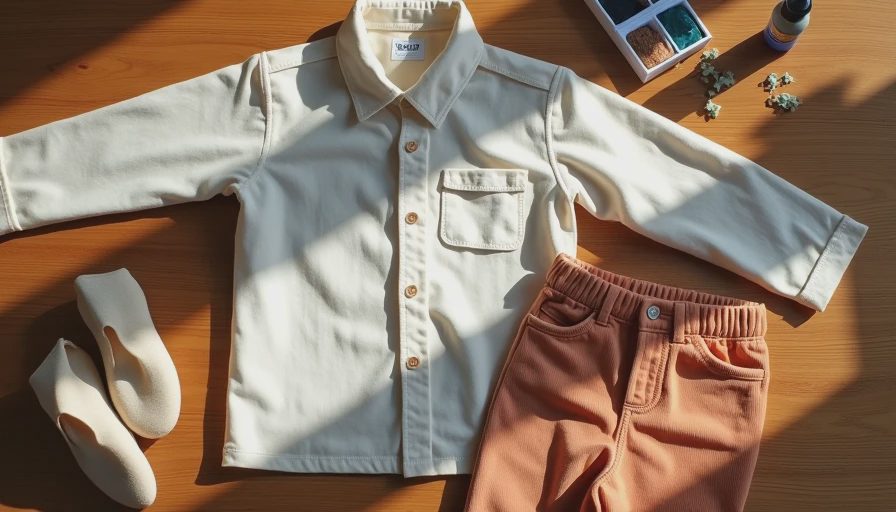
Can a well-made linen shirt become part of a child’s personal mythology?
The answers live in real families, not in trend reports.
What I Wish Every Parent Knew
You don’t need to become a fabric expert overnight. Start small:
Look at construction, not just prints. Flat-felled seams tell a different story than overlocked edges that unravel after ten washes.
Notice how clothes make your child feel—not just how they look in photos. The favorite sweater that’s two sizes too big might be their security blanket and superhero cape combined.
Talk about clothes as tools for expression rather than decoration. “Which one feels like you today?” opens doors that “Which one looks cute?” closes.
The Quiet Revolution I’m Hoping For
I don’t want to start another kids’ fashion blog filled with perfectly styled outfits and affiliate links. I want to help parents see clothing as one of the first languages children learn to speak fluently.
Some kids speak in bold primary colors and clashing patterns. Others speak in soft neutrals and interesting textures. Both are valid. Both deserve space.
The goal isn’t raising mini fashionistas. It’s raising humans who trust their own taste from an early age.
Looking Forward
I still visit fabric stores and talk to small designers. I still get excited about a perfectly rolled hem or a button that won’t fall off after one tug. But now those details serve a different mission: helping children feel at home in their own skin—and in what covers it.
If you’ve ever watched your child light up over an outfit they chose themselves, you already understand what I’m talking about. If you’re tired of the pressure to dress your kids like tiny adults or walking billboards, you’re in the right place.
This blog is for the parents who want something gentler, more intentional, and far more interesting than another roundup of “must-have” trends.
Welcome to Child & Cloth. Let’s talk about what kids wear—and why it matters more than we usually admit.

No comments yet — be the first to share a thought.