Clothing sets for newborns look simple from the outside, but the good ones do an important quiet job: they make the first two weeks feel calmer, cleaner, and less fiddly. I care less about a themed print and more about whether a sleeper opens fast at 2 a.m., whether the fabric lies flat against a small back, and whether the neckline stretches without losing shape. A newborn does not need a mini wardrobe. A parent needs a few pieces that wash well, breathe well, and do not require a fight during a diaper change.
What matters before the pretty print
When I shop for clothing sets for newborns, I look at the closure before I notice the print. Side snaps, two-way zippers, and envelope necklines are worth more than a clever graphic because they turn a wriggly change into a quick one. Flat seams matter too. So do tagless labels and soft elastic that does not leave marks after a long nap. Newborn sizing is its own small puzzle: some babies wear it for only a week or two, while others skip straight to 0-3 months. That is why I like buying one smaller set and one roomier set rather than filling a drawer with the same size.
Fabrics that feel good against a tiny body
When cloth sits close to skin, hand-feel is not a luxury detail. It is the whole point. Cotton rib has a little spring and tends to recover nicely after washing. Organic cotton can feel especially smooth in a simple bodysuit or sleeper. Bamboo viscose is very soft and drapey, though I like it most when the cut is close enough to keep the fabric from stretching out. Merino wool sounds fancy, but in the right weight it is practical for colder weather because it helps with temperature shifts. For warm, humid climates, a lighter cotton knit usually feels best. I have watched a set move from crisp to lived-in after one wash, and that is when you learn whether the fabric still looks tidy enough to hand down later.
If a garment has a collar or wrap front, make sure it lies flat and does not bunch under the chin. That small detail makes a bigger difference than most parents expect, especially when a baby is tucked into your arms and the cloth is pressed against skin for hours.
How many pieces a real family actually uses
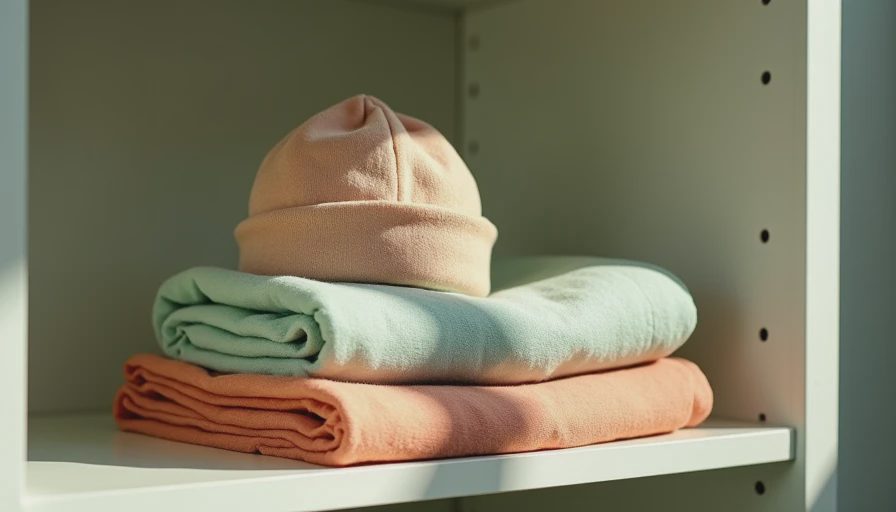
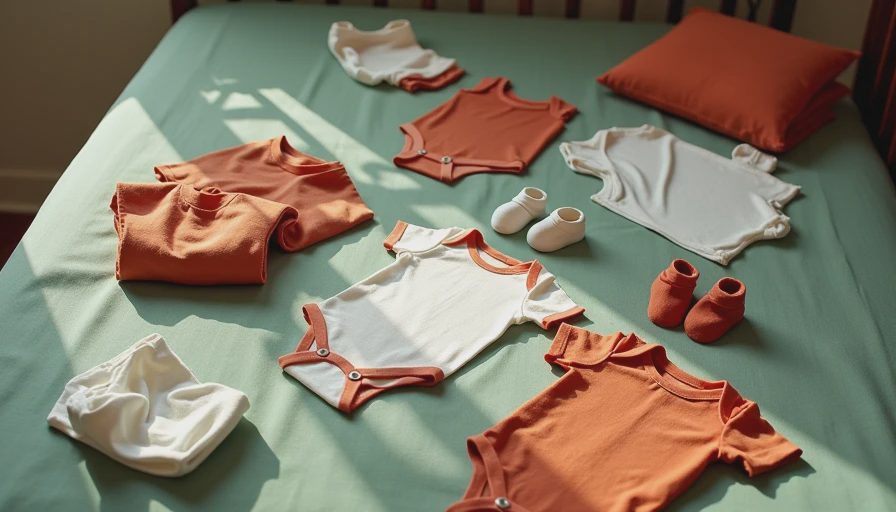
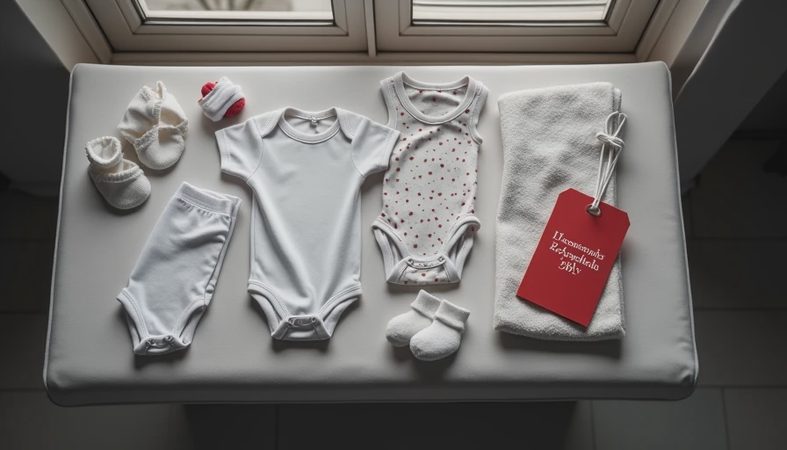
A drawer can look abundant and still be wrong if it holds too much of the same thing. In the newborn stage, I think in rotations, not outfits. Four to six bodysuits is usually enough if you are washing often. Two or three sleepers cover the night shift well, especially if one has feet and another is footless for warmer days. Add one cardigan or kimono layer, one or two soft hats if your climate calls for them, and a pair of mittens only if your baby tends to scratch. The practical sets usually come with that useful rhythm: enough variety to get through spit-up and laundry, not so much that half the drawer gets forgotten. If the baby runs long, 0-3 months will matter more than the label stitched into the neckline.
Seasonal choices that make dressing easier
Season matters more than style once a baby is home. In a warm place, one cotton layer can feel just right indoors because air-conditioning can still make a room chilly. In cooler months, I like a bodysuit under a sleeper instead of piling on bulky fabric. That keeps the silhouette smooth and keeps the baby from feeling swallowed up. For errands, a zip-front sleeper and a soft blanket in the stroller are often enough. For the hospital bag, choose pieces that open wide and close fast. A zipper guard is a small thing, but it keeps the pull from rubbing a chin. This is where a good set feels almost architectural: the shapes are simple, but the function is very precise, and that is what makes the morning calmer.
Brands and price points that earn the hanger space
The best clothing sets for newborns are not the fanciest ones; they are the ones that keep their shape after a hot wash and still feel calm in the hand. If you want sturdy basics, Carter's is easy to find and usually friendly on price. Burt's Bees Baby is known for organic cotton basics with a soft hand. Hanna Andersson tends to hold up well because the knits are substantial and the stitching is thoughtful. For buttery bamboo, Kyte Baby is a name parents often reach for, and Magnetic Me is useful when magnets beat snaps during a sleepy change. I would rather see a parent spend about $20 to $60 on a sensible set they will actually wash and wear than chase a novelty bundle that looks pretty on a hanger. Premium sets can run higher, especially in specialty boutiques, but price alone does not make the seams softer or the neckline smarter. What matters is whether the piece can survive a day that includes milk, laundry, and a lot of holding.
A simple buying plan before the baby arrives
If you are narrowing down clothing sets for newborns, start with the job the clothes need to do, not the photo on the package. Buy one soft set in newborn size if you expect a smaller baby, then lean more heavily on 0-3 months so you are not stuck with pieces outgrown before the tags come off. Choose one clear color family so matching stays easy, then add one print that feels cheerful in daylight. Feel the fabric if you can. Stretch the neckline. Check the seams at the shoulders and the inside of the leg. If the fabric returns to shape and the closure makes sense in one hand, you are probably looking at something worth keeping. Clothes should speak for the child, not over them, even in the very first weeks.

No comments yet — be the first to share a thought.