Girls Size Chart: A Clear Guide to Better Fit for Growing Kids
A girls size chart should feel like a map, not a verdict. The number on the label is only one clue, and it is often the least interesting one. What matters more is how a dress falls over the shoulders, whether leggings stay smooth at the knee, and if a shirt leaves room for a child to breathe, climb, and sit cross-legged on the floor. When I worked as a kids' buyer, I saw the same pattern again and again: parents blamed themselves when the fit was off, but the problem was usually the garment, not the child. If you use a girls size chart with a little care, it becomes a quiet shortcut to better shopping and fewer returns.
Measure the child, not the number
A girls size chart works best when you start with a soft tape measure and a calm ten minutes at home. Measure height against a wall, then chest at the fullest part, waist where the body naturally bends, and hips if you are shopping for dresses, skirts, or pull-on pants. Do not pull the tape tight; clothes need a little room to move, especially in cottons that do not stretch much. I like to write the numbers down in a notes app so I can compare them later. The real trick is to treat the chart as a fit profile, not a prediction. One brand may fit a child who is tall and narrow, while another works better for a fuller waist and shorter torso. That is why the numbers matter more than the size name.
If you are buying for everyday wear, compare the child's measurements to the size chart before you look at the cute print. If you are buying for a special event, add a little extra thought to the length and shoulder fit, because those are the places that decide whether a garment feels graceful or fussy.
Learn each brand's shape
A girls size chart tells you the label, but the brand tells you the silhouette. Some labels cut their tops a little boxier through the body, while others trim the sleeves and shoulder line. A jersey dress from Cat & Jack may hang differently than a woven dress from Tea Collection, even if both are marked the same size. That is not a flaw; it is patternmaking. Once you notice it, shopping gets easier. You stop asking, "What size is she?" and start asking, "How does this brand fit her shape?"
This is where buying becomes less like guessing and more like reading. A child with long legs might outgrow pants before shirts. A child with a soft center and narrower shoulders may fit one size in leggings and another in a button-front top. A girls size chart helps you spot those mismatches early, especially if the retailer lists garment measurements instead of only age ranges. Age can be a rough clue, but it is not a fitting room.
Pay attention to fabric and cut
Fabric changes everything. Cotton poplin holds its shape and can feel crisp at the body, while a jersey knit drapes and forgives. Ribbed cotton stretches with movement, which is useful for school days and travel. Denim with a little elastane can save you from a waistband fight, while a stiff woven short may fit beautifully at the waist and still feel awkward when a child sits down. That is why a girls size chart should always be read alongside the fabric description.
Cut matters just as much. Raglan sleeves often feel easier through the shoulders. Empire-waist dresses can give more room through the middle. Straight-leg pants and wide-leg pants do not fit the same child in the same way, even when the size is identical. If you are shopping online, imagine how the garment will move in real life: kneeling for sidewalk chalk, climbing a slide, buckling into a car seat, twisting to reach a backpack. That picture will tell you more than the label alone.
Know when to size up
There are times when sizing up is the right move, but not because bigger is always better. Size up when a child is between measurements, when the fabric has no stretch, or when the item is meant to be worn with layers. A sweater that brushes the wrist a little long can be lovely in November. A blazer that swallows the shoulder line can look borrowed. The goal is ease, not excess.
A girls size chart becomes especially useful here because it helps you choose with intention instead of habit. If the child is tall for age, check inseam and sleeve length first. If the child is broad through the chest or waist, look for room in the finished garment measurements, not just the size number. I often tell parents to think about the oldest possible wear date, not just the day the package arrives. A dress for spring photos should fit in April, not only today.

Shop online with the chart open
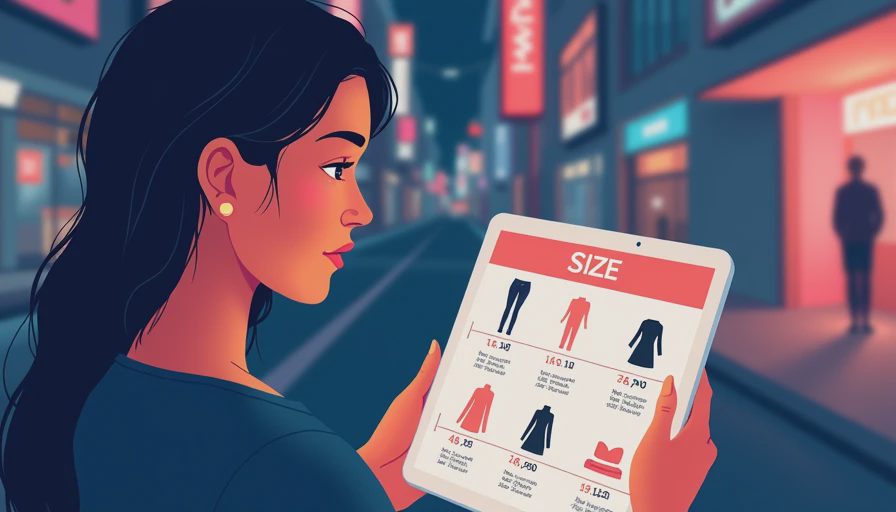
Online shopping is where a girls size chart earns its keep. Before you click buy, open the chart, read the garment details, and compare them to the measurements you already have. If a store lists chest width and length, use both. If it only gives a general size range, look for customer photos, model height, and fabric content. A knit piece can usually tolerate a little more variation than a structured woven piece.
This is also the moment to think about return windows. If you are ordering from several brands at once, keep the tags on until you have compared everything in one try-on session. That small bit of discipline saves time and often saves money, too. I have seen families cut return rates dramatically just by shopping with a notebook and a tape measure instead of buying the same size across every brand. The right fit is often already in the range; you just have to look for it.
Give the child a voice in the fitting room
The best fitting room question is not, "Do you like it?" It is, "Does it feel easy when you move?" A child can tell you whether a neckline scratches, whether a waistband pinches, or whether sleeves feel too long when reaching overhead. That feedback matters as much as the numbers on the tag. Clothes should speak for the child, not over them.
When I help families use a girls size chart, I always ask them to watch for posture. A good fit lets a child stand taller, not fuss more. It should let them bend, spin, crouch, and forget about the clothes once they are on. That is the real finish line. If you want a second set of eyes on fit, proportion, or which brand will suit a particular child best, that is exactly the kind of wardrobe puzzle I solve at Child & Cloth. A better chart is useful, but a better read on the garment is what makes shopping feel calm.


No comments yet — be the first to share a thought.