The Flower Girl Commission
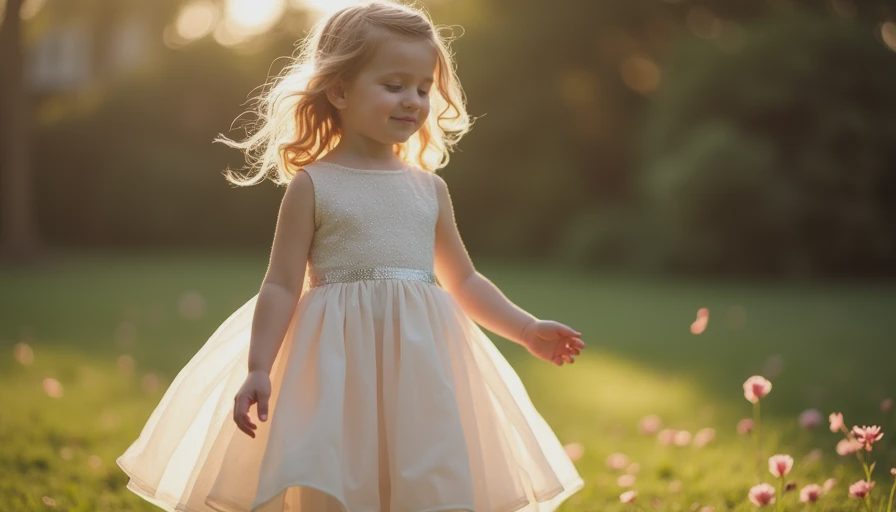
When my friend asked Iris to be the flower girl in her wedding, my daughter’s eyes lit up like I’d offered her unlimited ice cream and glitter. “I get to wear a princess dress?” she asked breathlessly.
I said yes before remembering who I was dealing with — an eight-year-old with very specific opinions about clothing, especially fancy clothing.
What followed was three months of negotiation, compromise, and occasional tears (mostly mine). Here’s what actually worked.
The Initial Dress Crisis
The bride sent three “approved” dress options. All were beautiful, traditional flower girl dresses with tulle, sparkles, and limited mobility.
Iris tried them on and declared each one “too scratchy,” “too poofy,” or “not twirly enough.” She wanted something that felt like her — comfortable enough to run in, with pockets for treasures, and ideally involving her favorite color (currently a specific shade of coral).
I took a deep breath and remembered my buyer training: understand the requirements first, then find creative solutions.
The Compromise Framework
We established some non-negotiable rules:
The dress had to be wedding-appropriate
It had to be comfortable for an active eight-year-old
Iris needed to have real input
Within those boundaries, we had freedom to get creative.
What We Ended Up Choosing
Instead of a traditional flower girl dress, we created something custom:
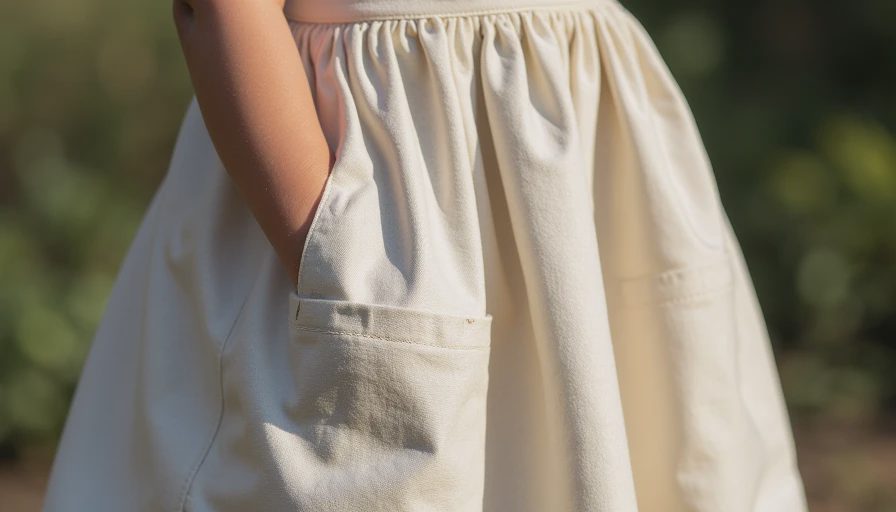
A sleeveless linen dress in soft coral with a full skirt that twirled beautifully. We added subtle sparkle through embroidered details rather than heavy beading. The seamstress included deep pockets (Iris’s top request) and reinforced seams for durability.
For the ceremony, we layered a lightweight tulle overlay that could be removed for the reception. This gave the “princess” effect without the constant itch.
The result? A dress that felt special but still like Iris.
The Shoes Situation
Shoes were almost as challenging as the dress. Iris rejected every “proper” pair. We finally found soft leather flats with just enough sparkle to satisfy her while being comfortable enough for dancing.
The key was letting her walk around the store and test them properly rather than making the decision based on looks alone.
Managing Expectations and Emotions
Throughout the process, I used several strategies that helped prevent meltdowns:
Advance preview: We looked at pictures and talked about the day weeks ahead of time.
Choice architecture: Present limited, good options rather than open-ended questions.
Sensory consideration: Always prioritized how things felt on her skin.
Role clarity: Emphasized that her job was to have fun and scatter petals, not to be perfect.
Backup plans: Had comfortable changes ready for after the ceremony.
What I Learned as a Former Buyer
My professional experience was surprisingly helpful:
I knew which fabrics would hold up to a long day and multiple outfit changes. I understood construction details that prevent wardrobe malfunctions during important moments. Most importantly, I knew that forcing a child into uncomfortable clothes usually backfires spectacularly.
The best special occasion clothes still need to respect the child wearing them.
The Actual Wedding Day
Iris walked down the aisle beaming, scattering petals with enthusiasm. The dress twirled perfectly during the first dance. The pockets held a few special treasures (including a flower from the bouquet).
She changed into her favorite play clothes for the reception and danced until her feet hurt — in the good way.
No meltdowns. Just memories.
Strategies for Any Special Occasion
For other parents facing similar situations:
Start conversations early
Prioritize comfort without sacrificing beauty
Involve your child in age-appropriate ways
Have backup options ready
Remember that perfect photos matter less than positive memories
Focus on the role rather than the costume
The Bigger Lesson
Special occasions are opportunities to practice the same principles we use in everyday dressing: respect for the child’s comfort and preferences, balanced with the needs of the situation.
Iris felt beautiful because she felt like herself — just a fancier version. That’s the goal.
Clothes should speak for the child, not over them. Even on wedding days, this truth holds. The most beautiful flower girl is one who feels comfortable and confident in what she’s wearing.
And if that means a coral linen dress with excellent twirl factor and functional pockets, so be it.

No comments yet — be the first to share a thought.