A baby onesie is one of those small garments that seems invisible until you have to dress a squirming newborn at 2 a.m. Then it becomes the whole story: the fabric against tender skin, the way a neckline opens without a fight, the snaps you can find in the dark. I think of it as the first layer of a child's wardrobe, the piece that has to earn trust before it earns cute. If it fits well, breathes well, and washes cleanly, everything else feels easier.
Start with fabric, not the rack
The first thing I look at is hand feel. Cotton rib has a little stretch and tends to move with the body. Interlock cotton feels smoother and a bit denser, which is nice when you want something that sits flat under a cardigan or sleep sack. A bamboo viscose blend can feel very soft, almost cool to the touch, but not every blend holds its shape after repeated washings. For everyday wear, a baby onesie in cotton or a cotton-rich blend usually gives the best balance of softness, durability, and price.
You do not need to spend much to get a good one. A three-pack from Carter's often lands around $15 to $25. Primary usually sits in the midrange with clean colors and sturdy knits. Burt's Bees Baby and Hanna Andersson tend to cost more, often around $20 to $30 for a single piece, but the knit can feel more substantial and the seams are often neatly finished. That matters when a garment is going to be washed on repeat and worn against skin all day.
Closures and seams matter more than cute prints
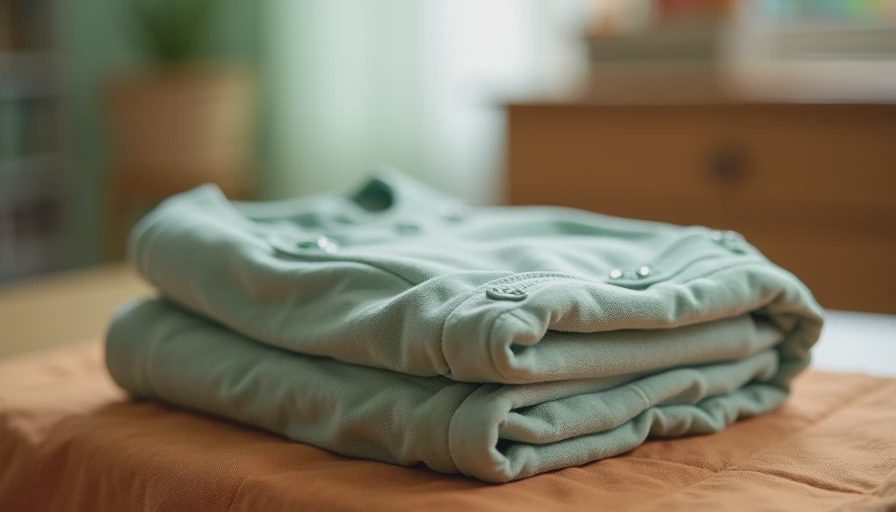
This is where the buyer's eye earns its keep. Look for snaps that are easy to line up and strong enough to stay closed after a dozen diaper changes. Nickel-free snaps are a nice touch for sensitive skin. In a baby onesie, the shoulder opening matters too. Envelope shoulders or lap shoulders let you pull the garment down over the body instead of squeezing it over the head, which is a relief for a sleepy infant. Flat seams and printed labels reduce the small irritations that add up by afternoon.
If you like pretty details, pick them after the structure passes the test. A soft gingham collar or a tidy picot trim can be lovely, but decoration should never sit where it rubs. The best versions look simple because they are doing real work. When I am sorting through racks, I want a garment that opens wide, snaps easily, and springs back into shape instead of twisting like a dish towel.
Fit is about movement, not age on the tag
Sizing charts tell you where to start, not where to stop. Babies grow on their own schedule, and diaper volume changes how everything sits. A good baby onesie should skim the torso without pulling at the crotch or riding up at the shoulders. If the neckline feels tight before the first wash, it will probably feel tighter later. If the legs look stretched on day one, size up.
For newborns, I like having both 0 to 3 months and 3 to 6 months on hand, because babies arrive with wildly different proportions. A petite newborn can disappear in one size while a long baby outgrows it in a week. Once you move into 6 to 9 months and beyond, you usually need fewer tiny sizes and more practical rotation. The goal is not a perfect fit in the store. The goal is room to wriggle, kick, and stretch without the garment fighting back.
Build a small rotation that can keep up
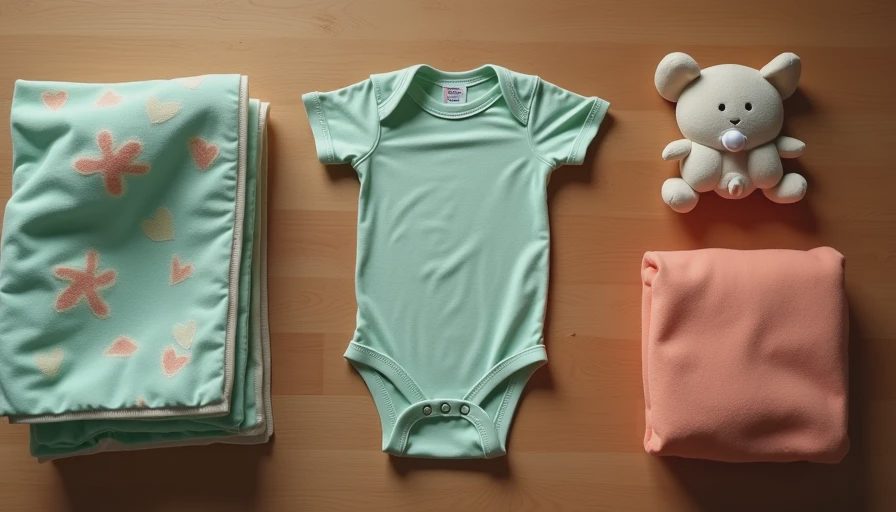
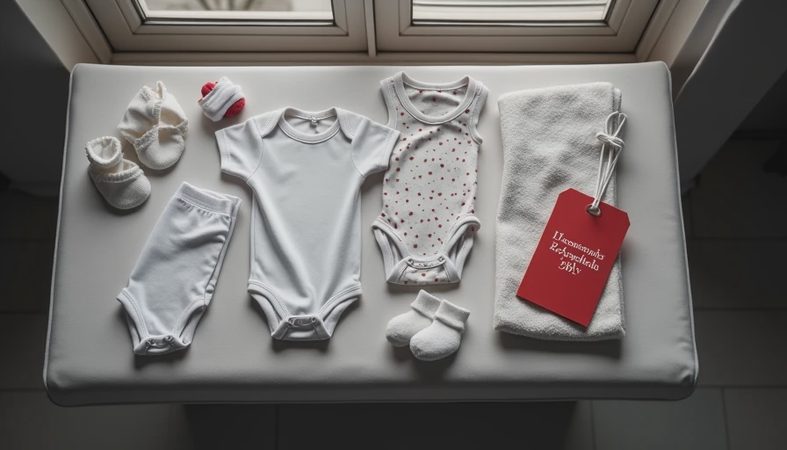
A drawer does not need to overflow to be useful. For the first months, I usually suggest six to ten bodysuits or onesies if laundry runs often, plus a few extras for spit-up days. If you live in a warm climate like Savannah, short sleeves do a lot of work. In cooler weather, long sleeves layer well under cardigans, leggings, and sleepwear. A baby onesie is strongest when it can disappear under other clothes and still keep its shape.
This is also where brand mix can help. One family may love the crisp, graphic colors of Primary. Another may prefer the knit texture and muted palette of Hanna Andersson. A third may want the value of Carters basics for daily use and save the softer, prettier pieces for outings or photos. That is a sane way to shop. Buy the workhorses in multiples, then let one or two special pieces bring the charm.
When it makes sense to spend a little more
The price jump starts to make sense when fabric quality, construction, and longevity all improve together. A cheaper pack can be fine for a fast-growing infant, especially if you know the piece will only have a short run. But if a baby has sensitive skin, if you want hand-me-downs to hold up, or if you hate replacing stretched-out necklines every few weeks, spending more can be easier in the long run. A well-made baby onesie may still cost only $18 to $28, which is less painful than buying the same size twice.
I also think the nicer pieces show up in photos without trying too hard. Not because they are precious, but because the fabric lies calmly and the color does not fight the face. A soft oat, faded blue, or quiet striped knit can feel like a little frame around the child instead of a costume. That is the whole point for me. Clothes should speak for the child, not over them.
A quick final check before you buy
Before you click add to cart, fold the piece in your hands and picture a real morning. Can you open it in one motion. Do the snaps look secure. Is the neckline gentle. Will it still feel pleasant after the third wash of the week. If the answer is yes, you are probably looking at a baby onesie worth keeping in the drawer. And if you are building a registry or restocking after a growth spurt, start with the colors and fabrics that already fit your home; that way the clothing feels quiet, useful, and entirely itself.
No comments yet — be the first to share a thought.