When I think about boys clothing, I think less about labels and more about movement: a cotton tee that falls softly from the shoulder, trousers that bend at the knee, a sweater that warms without making a child feel wrapped in a blanket. Clothes should speak for the child, not over them. The right pieces make room for sprinting, building, climbing, and sitting cross-legged with a book, which is where real style begins.
What good pieces do before they look good
The best closet pieces do three jobs at once. They feel pleasant against skin, they hold up to repeat washing, and they leave a child free to move without constant tugging. That is where boys clothing either earns its keep or starts asking for attention in all the wrong ways. A collar that stays flat, a waistband that does not twist, and a sleeve that reaches the wrist without swallowing the hand are small things, but they change how a child carries himself.
I look first at the fabric. Cotton jersey breathes well and is easy on a warm day. French terry has a little more body, which makes it useful for school mornings and air-conditioned rooms. Denim should feel supple, not stiff enough to stand on its own. If a garment looks charming on a hanger but rubs, pinches, or traps heat, it will spend most of its life in the laundry basket instead of the rotation.
Color matters too, though not in a loud way. Soft navy, sage, rust, washed olive, and clear stripes tend to age gracefully. They hide the ordinary marks of childhood without looking dull. That balance is the sweet spot: enough texture and color to feel intentional, enough ease to survive a peanut-butter lunch and an afternoon on the playground.
Fabric and fit across a real week
A useful closet has to work on Monday morning, Saturday afternoon, and the sticky hour before bath time. That is why I think about boys clothing as a weekly system, not a shopping event. One shirt should layer under a sweatshirt without bunching at the neck. One pair of pants should survive classroom sitting and kickball. One outer layer should close easily over everything else and still let air move through.
If you live where summers are heavy, choose lighter cottons and linen blends for the days when the air feels like warm soup. In cooler months, look for brushed cotton, fleece that is soft rather than bulky, and knits with enough stretch to keep their shape. A child does not need twenty outfits if the six he wears most often are well chosen. That is where the money goes farther: fewer impulse buys, fewer outgrown regrets, more pieces that actually earn a place on the hook by the door.
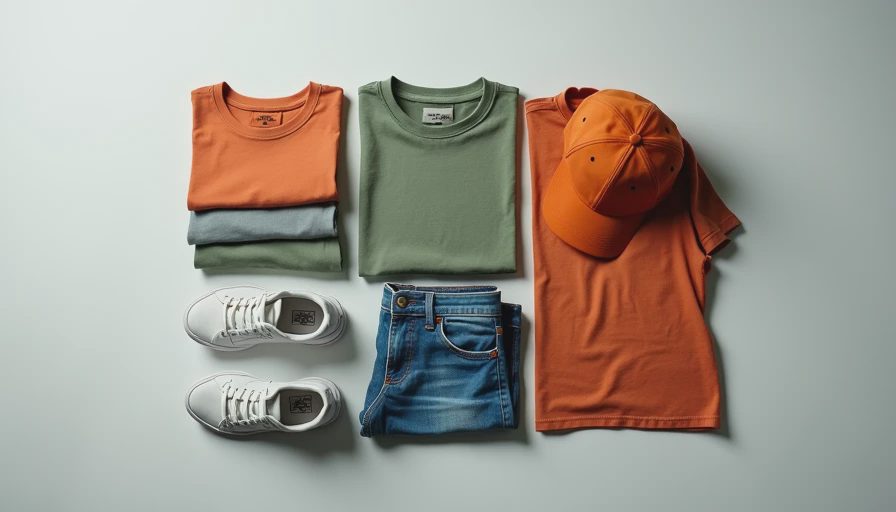
The fit should follow the body, not fight it. Shoulders should sit where the shoulder ends. Pants should be roomy enough to crouch, but not so loose they drag in the mud. If a child keeps adjusting a hem or pulling at a waistband, he is telling you something. Listen to the clothes he relaxes into. That comfort is usually the right answer, even when a trend tries to talk louder.
Start with the handful of staples that do the most work
When I build a wardrobe from scratch, I begin with the quiet pieces: tees, pants, a sweatshirt, one polished shirt, socks that stay up, and a jacket that can handle a drizzle. These are the backbone of boys clothing because they absorb the most wear. If those pieces are good, the whole closet feels calmer. If they are flimsy, even the prettiest special pieces end up looking tired.
This is also where brands with reliable basics tend to make sense. Hanna Andersson, Primary, and Tea Collection have each built reputations around durable, easy-to-mix staples rather than spectacle. That does not mean every item from every season is right for every child, but it does mean the buyer’s eye should look for the same things each time: reinforced seams, fabric that springs back after washing, and cuts that leave room for growth without looking oversized.
A practical budget can help. A soft tee might land in the $14 to $28 range, a sturdy pair of joggers around $20 to $38, and a light jacket anywhere from $50 to $120 depending on construction. Spending within that spread is less important than spending with intention. One excellent sweatshirt worn twice a week is a better buy than three that fade before Thanksgiving.
Hems, growth, and the art of buying a little ahead
Children do not grow in a straight line, so closets should not be built as if they do. I like a small amount of room in hems and sleeves, especially in boys clothing that needs to carry a child through a season. The trick is to buy for movement, not for fantasy. Too much extra fabric makes a child look swallowed. A modest margin gives you a longer runway without turning every outfit into a waiting room.
A good hem can be a gift. Cuffed pants can be let down. Sleeves can be rolled through spring and released by fall. Adjustable waistbands matter more than decorative extras because they actually buy time. If you are handed down clothing from an older sibling, check the knees, cuffs, and seat first. Those are the places where a garment has done its hardest work.
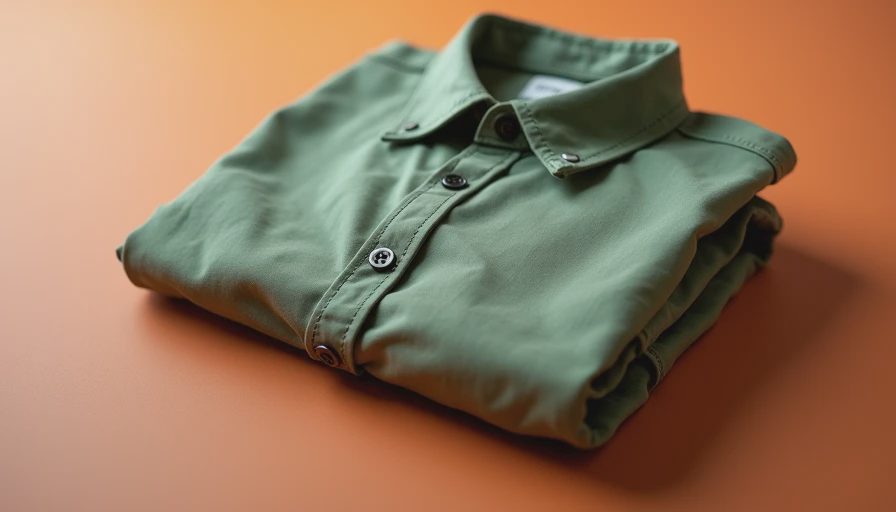
The smartest hand-me-downs are the ones that were never overwashed, overdecorated, or underconstructed. A classic striped tee or a denim overshirt with a little structure often travels better than something trendy that depends on one loud print. Clothes age the way stories do: if the bones are strong, the memory stays lovely.
When to spend a little more and when to save it
I save on the pieces that change fastest: seasonal novelty, graphic layers, and anything a child may wear only for one burst of enthusiasm. I spend more on the pieces that touch skin daily or carry the whole outfit, especially pants, jackets, shoes, and sleepwear. That is a good rule for boys clothing because the roughest treatment usually falls on the most ordinary items. A decent zipper, a clean seam finish, and fabric that does not pill immediately are worth more than a clever slogan.
This is where a parent can be strategic without becoming rigid. If your child loves one color or one silhouette, buy the better version of that shape and let it repeat. Kids are rarely bored by a well-loved fit when it moves the way they like. They are bored when clothes itch, sag, or make them feel like someone else’s idea of a little boy.
The closet gets easier when the clothes answer the child instead of demanding a performance. That is the quiet goal of boys clothing: enough sturdiness for real life, enough softness for comfort, and enough character to let a child feel seen. If you shop with that in mind, you will spend less time negotiating in the morning and more time noticing how good a simple shirt can look in daylight.
A calmer way to shop the next time he outgrows everything
Before you buy, stand back and picture an ordinary Tuesday. Not a birthday party. Not a catalog page. Tuesday. That is where the real test lives. If a piece can handle school drop-off, a snack spill, a windy recess, and the long slide into evening without asking for rescue, it deserves space in the closet. If not, it can stay on the rack.
I keep coming back to the same idea because it is the one that holds: boys clothing works best when it gives a child room to move, room to grow, and room to be himself. Clothes should speak for the child, not over them, and the right wardrobe makes that easy to hear.


No comments yet — be the first to share a thought.