Infant outfit sets are easiest to love when they do not try too hard. The best ones have a soft hand, calm colors, and a shape that lets a baby kick, curl, stretch, and be carried without fuss. Infant outfit sets should make life simpler for the grown-up and gentler for the child. That means fewer scratchy seams, fewer awkward closures, and fewer moments spent tugging a tiny sleeve into place while the baby protests from the changing table. I look for clothing that feels like a quiet exhale: easy on the skin, easy in the wash, and easy to picture in real life, not just on a hanger.
When I used to buy for the kids' floor at Nordstrom, I could tell in seconds which pieces were designed with a baby in mind and which were simply shrunken versions of older-child clothes. The difference usually shows up in the fabric and the finish. A good set drapes instead of clings. It snaps without fighting back. It keeps its shape after being washed with the rest of the weekly laundry, which is really the true runway for baby clothes.
What I look for in infant outfit sets
The first thing I notice is fabric. Cotton jersey is a dependable starting point because it breathes well and feels familiar against the skin. Rib knits have a little more give, which helps if you are dressing a baby who seems to double in size between breakfast and nap time. Bamboo blends can feel very smooth, though they are worth checking for stretch recovery so the neckline does not wander after a few washes. For colder months, a brushed cotton or French terry set adds warmth without the stiff feeling of heavy fleece.
The second thing is the cut. The best infant outfit sets are the ones that leave room at the shoulders and through the seat, because babies do a surprising amount of squirming before they ever walk. Envelope necks make over-the-head dressing less dramatic. Two-way zippers are a gift for nighttime changes. If a pair of pants has an elastic waist that looks delicate but actually holds, that is a good sign. If the waistband leaves deep marks after ten minutes, it is too much for a body that is still growing in every direction.
I also pay attention to the mood of the set. Some baby clothes feel busy in a way that overwhelms the child. Others feel like they were made to let the child remain the main character. A soft oat, faded blue, celery green, or warm cream can be easier to live with than a print that shouts from across the room. That does not mean plain is the only answer. It just means the pattern should have room to breathe.
Fit, movement, and the little details that matter
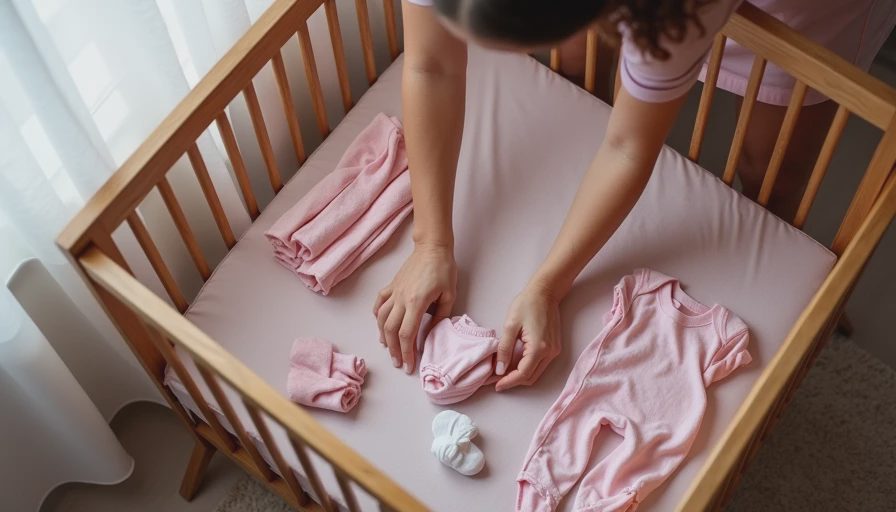
The best infant outfit sets are rarely the flashiest ones on the rack. They are the sets with seams that sit flat, labels that do not itch, and snaps placed where a tired adult can reach them in a dim nursery. I like a shoulder seam that lands where it should, not halfway down the arm. I like cuffs that stay put without squeezing. I like hems that do not twist after the first wash.
If you are shopping online, read the garment measurements instead of relying only on the age label. A 3-6 month tag can fit very differently from brand to brand. Carter's tends to run more standard and easy for basics, while Primary leans minimal and clean in its cuts. Hanna Andersson is known for durable knits that hold up well over time. Kyte Baby and Burt's Bees Baby often appeal to parents who want a very soft hand. None of that matters if the shape is wrong for your baby, so compare the chest width, rise, and sleeve length when you can.
One practical tip: choose room for diapers first. A set can look polished in the package and still bunch awkwardly once it is on a baby with a fuller diaper underneath. If the rise is too short, the top rides up. If the shoulders are too narrow, every movement turns into a little negotiation. Comfort is not a luxury in baby clothes; it is the whole point.
Why a good set makes getting dressed feel calmer
There is a reason parents keep reaching for matching pieces. A coordinated outfit removes one decision from a morning that already has enough moving parts. A two-piece set can be lovely for daycare, a family brunch, or a visit to grandparents because it looks finished without being precious. A romper or footed set is even simpler for newborn weeks, when the only thing anyone wants is warmth, softness, and a fast change.
I think the charm of infant outfit sets is that they create an image without forcing a costume. The baby still looks like a baby. The clothes just give the moment a little shape. That might mean a henley and jogger set in heather gray, a pointelle top with tiny leggings, or a striped top paired with a solid bottom. The point is not to assemble a miniature adult wardrobe. The point is to make a tiny body feel comfortable and seen.
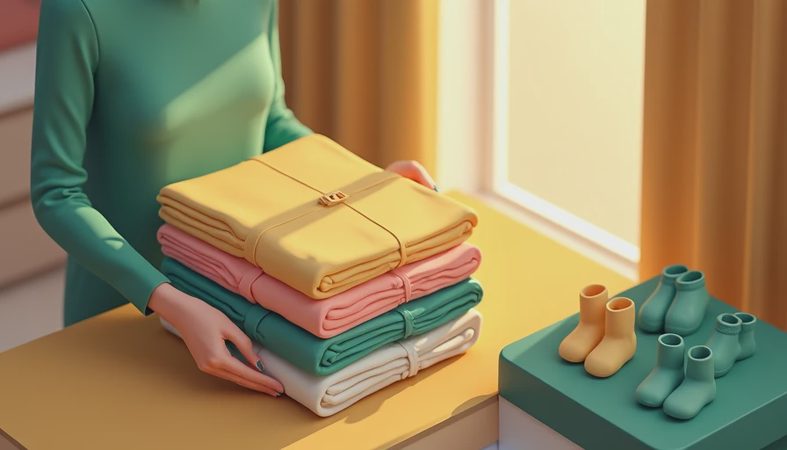
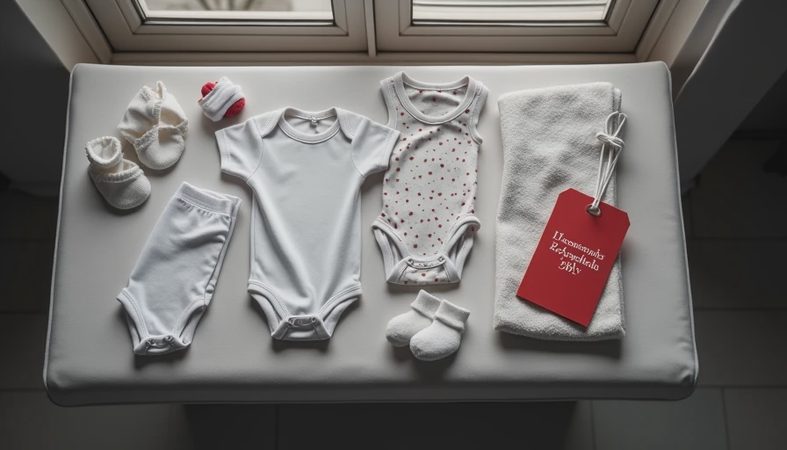
If you are building a drawer rather than shopping for one event, aim for a small repeatable system. Three everyday sets in washable cotton, one warmer set for air-conditioned rooms or winter mornings, and one nicer set for visiting or photos will take you much farther than a stack of outfits that only work in perfect weather.
What to skip before it reaches your cart
When infant outfit sets are sized too tightly, the problems show up fast: a neckline that pulls, a waistband that rolls, or a shirt that pops open when the baby is lifted. I also skip anything with rough embroidery on the inside, stiff appliqués near the chest, or decorative ties that add more trouble than charm. Tiny buttons look sweet until you are trying to fasten them with one hand while holding a baby with the other.
Be careful with sets that are all style and no structure. Some look darling on a hanger but become fussy after one wash because the fabric pills, the seams twist, or the print fades unevenly. That is where a buyer's eye comes in handy. You want a piece that can survive the sink, the dryer, and the reality of spit-up. Clothing should not feel precious enough to protect from life.
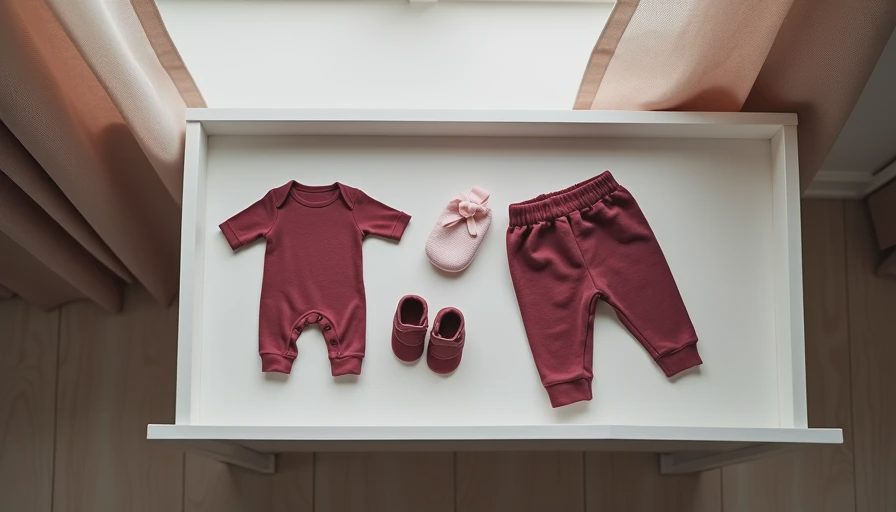
There is also no award for overdoing it. A baby does not need lace where a soft knit would do, or a complex outfit when the afternoon will involve a car seat and a nap. The most useful clothing often looks modest at first glance, then earns affection through repeated wear. That is usually the sign of real quality.
A simple way to shop with confidence
Start with the fabric in your hand. If it feels cool, smooth, and flexible, you are in the right territory. Then check the closures. Then check the shape. Then picture the baby moving in it, not just standing still for a photograph. That sequence saves time and keeps your cart full of things that will actually get worn.
If you are shopping for infant outfit sets as a gift, choose something washable, seasonless, and a touch roomier than you think. New parents almost always appreciate a set that can be worn now and also in a few weeks when the baby has grown a little. A neutral color palette makes sizing mistakes less painful, and a soft box or simple ribbon is enough presentation. Babies do not need dramatic packaging. They need clothes that invite movement and make the day feel smoother.
The pieces worth keeping are the ones that feel good in motion, not just in a photograph. That is the standard I return to again and again: clothes should speak for the child, not over them. When a set does that well, it earns its place in the drawer and, sooner or later, in the memory of the family who used it.

No comments yet — be the first to share a thought.