The Morning Everything Changed
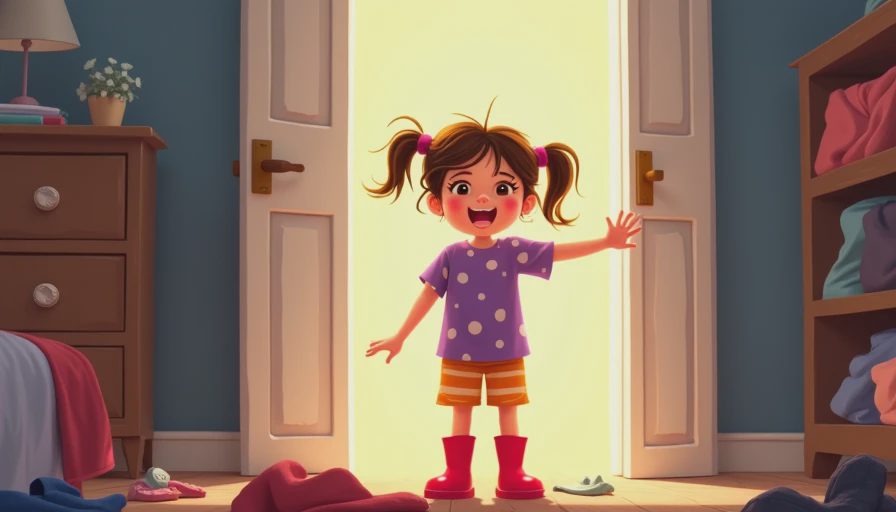
Iris was three and a half when it happened. She stood in front of her closet with serious determination, rejecting every outfit I suggested. Finally she pulled out a purple polka-dot shirt, orange striped shorts, and her favorite red rain boots.
She looked like a walking fruit salad. She also looked incredibly proud.
I almost corrected her. Then I caught myself. This was the first time she had asserted her own vision. Instead of fixing it, I knelt down and asked, “How does this feel?”
“Happy,” she declared. So we went with it.
That mismatched, joyful outfit became a turning point in our home. It taught me that style development starts much earlier than I realized — and that giving children agency matters more than coordination.
The Psychology of That First Choice
Developmental psychologists talk about the importance of autonomy in early childhood. When children make choices — even small ones about clothing — they’re practicing decision-making, self-expression, and identity formation.
Clothing choices are particularly powerful because they’re visible and personal. When a child chooses their outfit, they’re declaring “This is me today.” Even if “me” involves clashing colors and impractical shoes.
These early acts of self-expression build confidence that extends far beyond the closet.
The Mismatched Socks Era
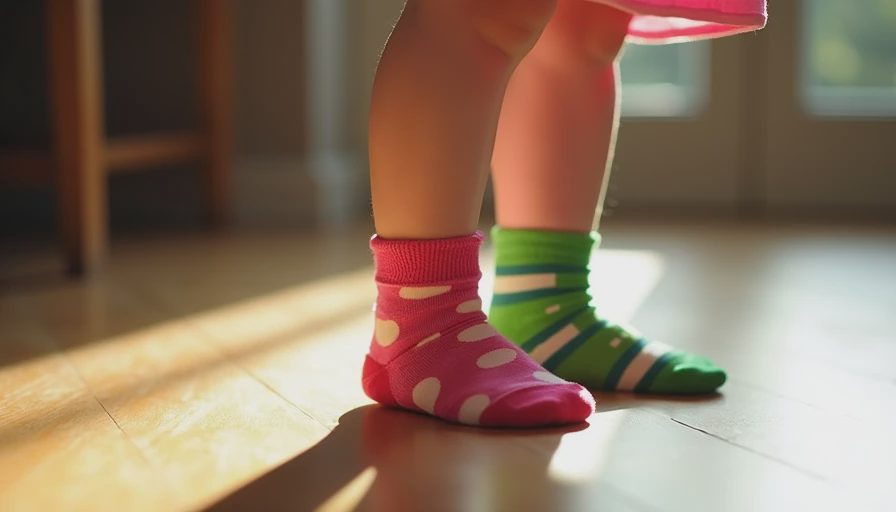
We entered what I now affectionately call the Mismatched Socks Era. For months, Iris insisted on wearing different socks, usually one pink and one green. She was adamant about it.
At first I worried what other parents would think. Then I noticed something beautiful: other kids started noticing her socks too. Some asked why. Others started copying her. Iris stood a little taller every time.
Those mismatched socks weren’t just random. They were her laboratory for experimenting with personal style.
What These Early Choices Teach
When children choose their own clothes, several important things happen:
They learn to tune into their own preferences and sensory needs
They practice making decisions within boundaries
They experience the natural consequences of their choices (too hot, too scratchy, hard to run in)
They develop ownership over their appearance rather than seeing it as something adults control
They begin forming their own aesthetic sensibilities
These lessons compound over time. The child who learns to trust their taste at four is better equipped to navigate peer pressure at fourteen.
How to Support Without Controlling
Supporting early style autonomy requires balance. Here are approaches that worked for us:
Set clear boundaries around safety, weather, and appropriateness while giving freedom within those limits.
Offer limited choices rather than open-ended ones when they’re first starting. “Would you like the blue shirt or the green one?” feels manageable.
Ask questions that help them reflect: “How does that feel when you move?” or “What do you like about this outfit?”
Celebrate their choices even when they don’t match your taste. Your approval gives them permission to trust themselves.
Be patient with the learning process. Some days will be chaotic. That’s part of it.
The Role of Quality Basics
Having good quality basics makes this process easier. When the foundational pieces feel good and last, children have better options to choose from. A soft, well-made t-shirt gives them more confidence than a cheap one that feels stiff.
This is where my buyer background and parenting life intersect beautifully. I still care deeply about construction and fabric quality, but now those standards serve my daughter’s autonomy rather than my aesthetic preferences.
Stories from Other Families
I’ve heard similar stories from other parents. The boy who only wore his superhero cape for two months. The girl who insisted on wearing her ballet tutu to the grocery store. The child who mixed formal and casual pieces in wonderfully creative ways.
These aren’t fashion disasters. They’re developmental milestones wearing clothes.
The Long-Term View
The mismatched socks and chaotic combinations of early childhood lay groundwork for later confidence. When we respect children’s early style choices, we send a powerful message: Your voice matters. Your preferences are valid. You can trust yourself.
Iris at eight still has strong opinions, but they’ve become more refined through years of practice. She understands her own taste because she’s been allowed to develop it.
An Invitation to Loosen Up
If you’re still choosing all your child’s outfits, consider starting small. Let them pick their socks. Let them choose between two shirts. Celebrate their choices with genuine enthusiasm.
The first time they walk out the door in something they selected themselves — even if it makes you wince internally — might become one of your favorite memories.
Those early outfits might not win any style awards. But they might help raise a child who knows who they are and isn’t afraid to show it.
Clothes should speak for the child, not over them. When we let them choose their own outfits, we give their clothes the best possible chance to speak with their authentic voice.
And sometimes that voice wears purple polka dots with orange stripes and red rain boots. And it is glorious.



No comments yet — be the first to share a thought.