Toddler jeans can be one of the most useful things in a small closet when they are cut with enough ease to crouch, climb, and sprawl on a rug without complaint. I love denim for toddlers when it feels more like a sturdy knit than armor: soft at the thigh, smooth at the waistband, and easy for a child to pull on with that fierce independence that arrives right around age two. Clothes should speak for the child, not over them, and the right pair does exactly that.
The trick is not chasing the tiniest silhouette or the darkest wash. It is choosing fabric, rise, and closure with a clear eye. A well-made pair can outlast a growth spurt, survive daycare dirt, and still look sweet with a striped tee or a little sweater. The best pairs are practical first, handsome second, and never so stiff that they make a child look like they are dressed for a board meeting.
What the fabric should do
The best toddler jeans begin with denim that has some recovery but not a gummy, slippery feel. A little stretch, usually from elastane or spandex blended into cotton, helps the knees bend and the seat stay comfortable. Too much stretch, though, and the jeans start to sag by lunchtime, especially if your child lives in motion. I usually look for denim that feels brushed on the inside and structured on the outside, with enough body to hang cleanly.
If you can, touch the fabric before you buy. Good denim has a dry, durable hand with a bit of softness, almost like it has already been loved once. A rigid pair can work for a child who likes that sturdy, classic feel, but many families are happier with a softer wash for everyday wear. In practical terms, that means fewer power struggles at dressing time and fewer complaints halfway through the grocery store.
In toddler jeans, the waistband is the quiet hero. Adjustable tabs are worth their weight in saved mornings, especially for children whose waist and hip proportions do not match standard size charts. A flat front sits better under tunics and sweaters than a bulky elastic casing, though pull-on styles have their place for children who want fast dressing and no snaps. Think about the child’s routine, not just the hanger.
Fit notes that matter
Start with rise and length. A higher rise often stays put better when a child is squatting or climbing, while a lower rise can feel fussy if the back keeps dipping. Hem length matters too: too long and the cuffs collect playground grit; too short and the jeans lose the easy line that makes denim look intentional. If a pair hits right at the top of the shoe with a small cuff, you are usually in good shape.
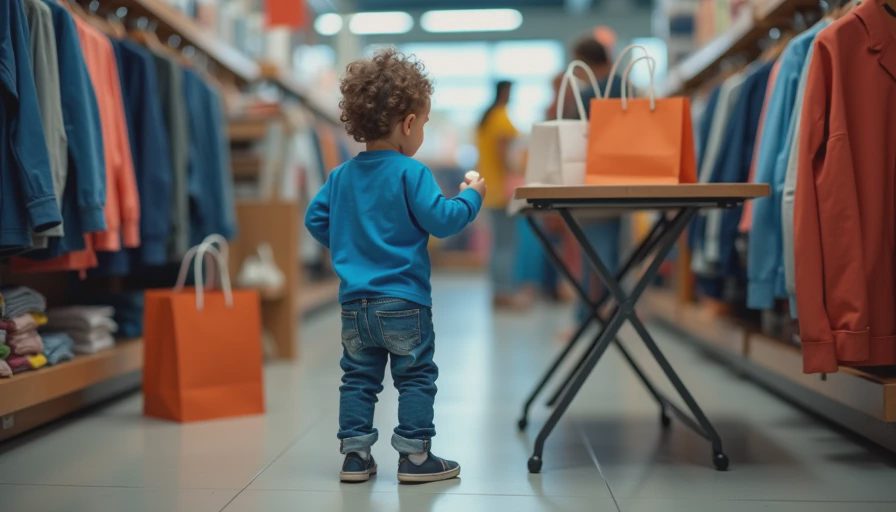
Knees tell the truth about fit faster than almost anything else. If the fabric pulls tight across the knees when your child bends, the cut is too narrow or the inseam is too short. If the seat balloons out but the waist fits, the size or shape is wrong for that child’s body. I like to see a little room for a diaper, training underwear, or just an energetic sit-down on the pavement, because children are rarely still long enough to flatter a delicate fit.
When toddler jeans are really working, they disappear into the day. The child can hop, crawl, and settle into a stroller without tugging at the waistband every ten minutes. That is the standard. Not picture-perfect neatness. Not the look of a tiny grown-up. Just denim that behaves kindly.
Styles that make daily dressing easier
A straight leg is the easiest place to start because it tends to balance a toddler’s proportions without looking fussy. Slim straight works well for slimmer children or for outfits that need a cleaner line under boots. Relaxed cuts are lovely for active children who spend more time on the floor than in a chair. I also like pull-on denim joggers for days when speed matters more than polish, especially in soft washes that read as denim without feeling overworked.
Color changes the mood more than many parents expect. A medium wash looks casual and a little lived-in. Dark indigo can dress up for dinner out or family photos, especially with a crisp collar or cardigan. Faded gray denim feels easy and modern, while a warm vintage blue brings a quiet softness that pairs well with oatmeal, rust, and forest green. If you are trying to build one reliable closet, choose the wash that best matches the shoes and tops already on hand.
Some children love cuffs because they make the pant feel a little like an invitation to play. Others hate any extra fabric near the ankle. Let the child tell you what feels right. A child who reaches for a pair again and again is giving you better styling advice than any trend report.
What to spend, and where the money goes
When I shop toddler jeans for families, I think in tiers. Around $15 to $25, you will often find decent everyday pairs at Target, Old Navy, H&M, and Carter’s. These are the jeans I expect to get dirty, washed often, and passed along quickly. In the $25 to $45 range, brands like Gap, Levi’s kids, Primary, and Tea Collection usually offer better fabric weight, smoother stitching, and more thoughtful waist adjustment. Above that, Mini Boden and Hanna Andersson can bring especially soft hand-feel and strong construction.
The extra money should show up somewhere specific: cleaner seams, a waistband that lies flat, a better rise, or denim that keeps its shape after repeated washing. You do not need the fanciest label to get there. You do need a garment that was designed with a moving child in mind. That is the difference between a pair that spends its life in a drawer and one that gets chosen on purpose.
Care, hand-me-downs, and the long life of denim
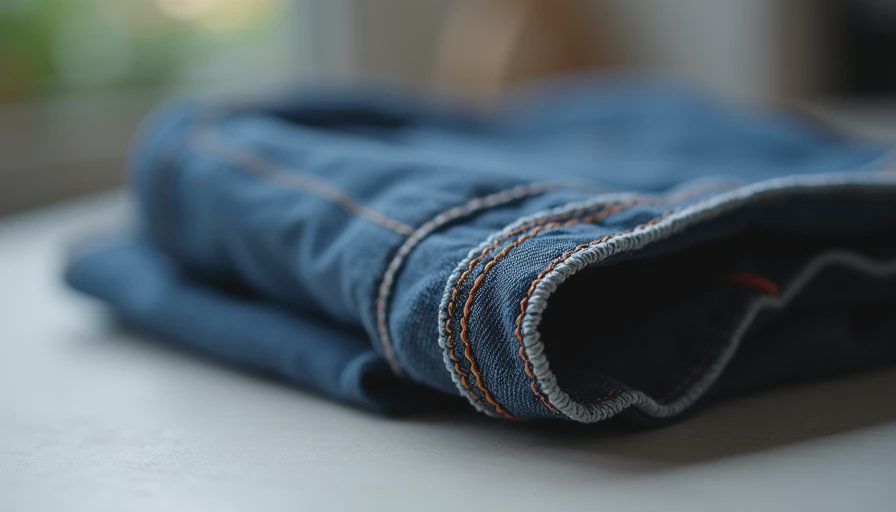
Wash denim inside out in cold water and skip over-drying when you can. High heat is the fastest way to beat up stretch fibers and make the fabric feel tired before its time. If a pair starts to fade in the knees and seat, that is not a failure; it is a record of use. A little wear gives denim its charm. The goal is to keep the shape, not freeze the color.
For hand-me-downs, choose a pair with sturdy stitching at the inner thigh and a waistband that can be cinched in or let out. Neutral washes move easily from one child to another, but even a playful acid wash can work if the fit is solid. I also like reinforcing a weak knee with a patch before it becomes a hole, because a visible mend can be part of the story. Children understand mended things better than adults give them credit for.
A quick way to shop with less fuss
If toddler jeans feel too stiff in the fitting room, make the child bend, squat, and sit on the floor before you decide. That tiny test tells you more than a mirror. If they can move freely and the waist stays put, you are close. If not, try the next size up or a different cut before you give up on denim altogether.
The easiest wardrobe usually includes one soft pull-on pair for heavy play and one cleaner pair with a button or snap for outings, church, family dinners, or school photos. That small rotation keeps laundry simpler and gives the child a sense that clothes have different moods. And if the child has opinions, which they usually do, let them. A good closet is a conversation, not a verdict.

No comments yet — be the first to share a thought.