When I sort through girls clothes, I start with what the fabric does before I look at the bow, print, or price. The prettiest thing on the hanger is not always the thing a child will wear with ease. I want cloth that moves with a running child, holds its shape after a school day, and still feels good at dinner. That sounds simple, but it is the difference between a closet full of almost-right pieces and a small collection that gets reached for again and again. Clothes should speak for the child, not over them.
What I notice first in girls clothes
The first thing I test is hand feel. A cotton jersey tee should be smooth, not papery. A woven dress should have enough body to hang cleanly, not cling in odd places after one wash. Brushed twill, corduroy, and double gauze all have their own weather. In Savannah, where the air can feel damp by breakfast, I pay attention to breathability and ease. A good fabric lets a child sit cross-legged, climb a ladder, or fold into the back seat without complaint. It also survives a real laundry routine, which matters more than any hanger moment. If the cloth recovers well, it earns shelf space.
I also look at the inside of the garment, because that is where cheap shortcuts tend to show. Flat seams are kinder than scratchy joins. A lined bodice keeps a dress from sticking to tights. A neckband that lies flat tells you the maker thought about repeat wear, not just the first photo. That is where quality lives for me: not in a loud label, but in the way a garment behaves after the excitement fades.
Color and print should feel like a conversation
Children notice color before adults do, but that does not mean every piece has to shout. Soft peach, washed navy, leaf green, and butter yellow feel easy to live with because they shift beautifully in daylight. A tiny check, a narrow stripe, or a watercolor floral can be more interesting than a large cartoon print, especially when the child has a vivid face and a strong opinion about socks already. The goal is not to quiet personality. It is to give it room.
I like colors that play well together across a closet. If a skirt works with three tops, it gets worn more often. If a cardigan can sit over a dress and a T-shirt, it pulls its weight. That is why I often steer parents toward one or two anchor shades, then layer in brighter accents through accessories, knitwear, or a single standout dress. It keeps mornings calmer and helps a child learn that style is something you build, not something you panic over.
How girls clothes should move in real life
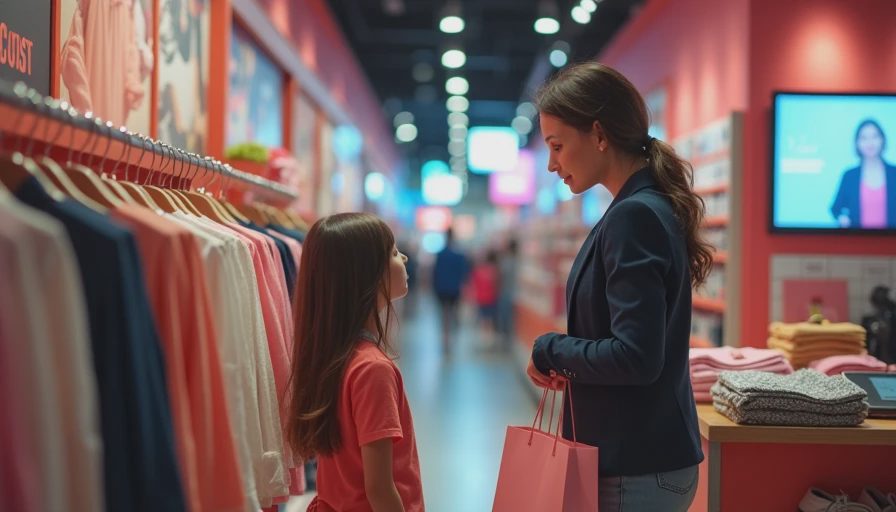
The best girls clothes do not pinch at the waist or tug at the shoulders. They let a child raise her arms, bend to tie shoes, and twirl hard enough to make the hem lift just a little. I check sleeve length with the child reaching overhead, because that is where a shirt will tell the truth. I look at the rise of pants when she sits down, because a waistband that fits only while standing is a bad bargain. If a dress needs constant tugging, it is not really for living in.
This is where sizing gets tricky, because size tags are only a starting point. Two size 8 pieces can wear very differently depending on cut and fabric. Jersey stretches. Poplin holds its shape. Denim can feel sturdy, but if it is too stiff, a child will resist it by lunchtime. The best girls clothes are the ones that disappear into the day. They do their work quietly while the child gets on with the important business of being herself.
I also notice how a garment helps a child feel independent. Easy closures matter. So do pockets that actually hold a rock, a note, or a tiny grocery receipt. A zipper that catches every time will become the enemy by Thursday. A soft waistband, a generous armhole, and a hem that can be rinsed and reworn all make a closet more humane.
Building a closet that repeats without looking repetitive
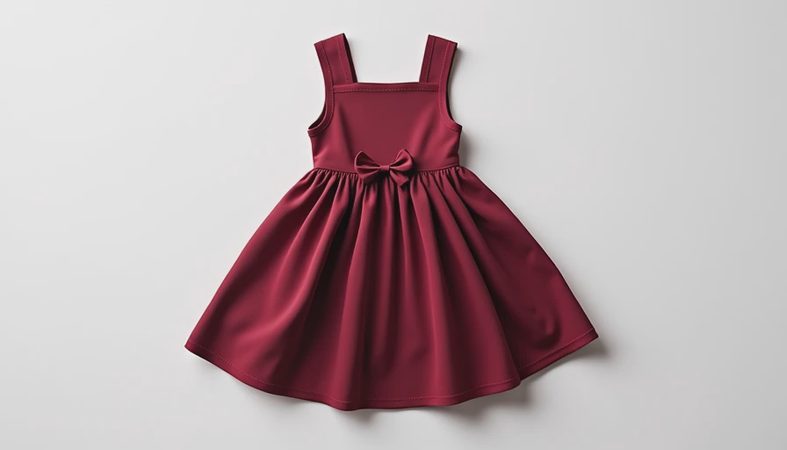
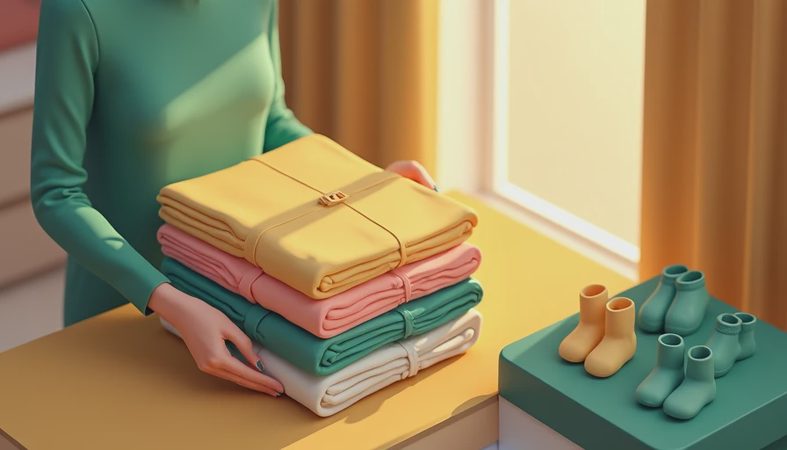
A useful closet is rarely full. It is composed. One or two good dresses, several tees, a cardigan, a pair of pants that can handle a playground bench, and a sweater that makes a child look finished without feeling stiff can carry a season. I often tell parents to buy the piece that solves three mornings, not just the one that photographs beautifully. That is where the money works hardest.
If a dress costs $28 and gets worn twelve times, it has outperformed the darling $64 piece that only leaves the hanger for birthdays. A sweater in the $38 to $70 range can be reasonable if the knit is dense, the rib recovers, and the sleeves do not sag by the second wash. Resale shops and consignment can stretch a budget too, especially for outer layers and special-event pieces that were worn once or twice. The trick is not chasing volume. It is choosing garments with enough grace to stay in rotation.
When I build around one child, I think in combinations. A striped tee under a pinafore. A cardigan over a sundress. A denim jacket with soft trousers and sneakers. The pieces should mix, but they should also feel like they belong to the same little world. That makes getting dressed less like shopping for an outfit and more like entering a room that already knows the child well.
A quick shopping test for the store or the screen
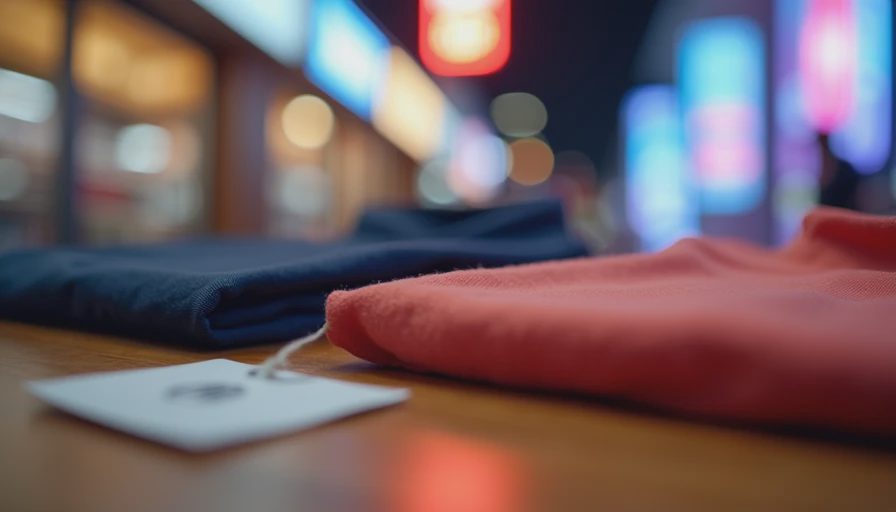
Before I buy, I ask three quiet questions. Does it feel good in the hand? Can it survive a wash without turning limp or rough? Will the child want to wear it on an ordinary Tuesday, not only for a photo or a holiday meal? If the answer is no to any of those, I keep moving. The best closets are edited with affection, not fear.
This is where girls clothes can become a language. A child who chooses a swingy hem over a stiff one, or a calm blue over a loud novelty print, is not being difficult. She is telling you how she wants to take up space. That is worth listening to. The goal is not to make every outfit precious. It is to make room for style, comfort, and a little daily joy.
When a rack of girls clothes looks promising, I ask whether the piece can survive the school drop-off, the art table, and a last-minute lunch. If it can do all three, it probably deserves a place in the closet. Clothes should speak for the child, not over them.


No comments yet — be the first to share a thought.