The Shopping Trip That Changed Everything
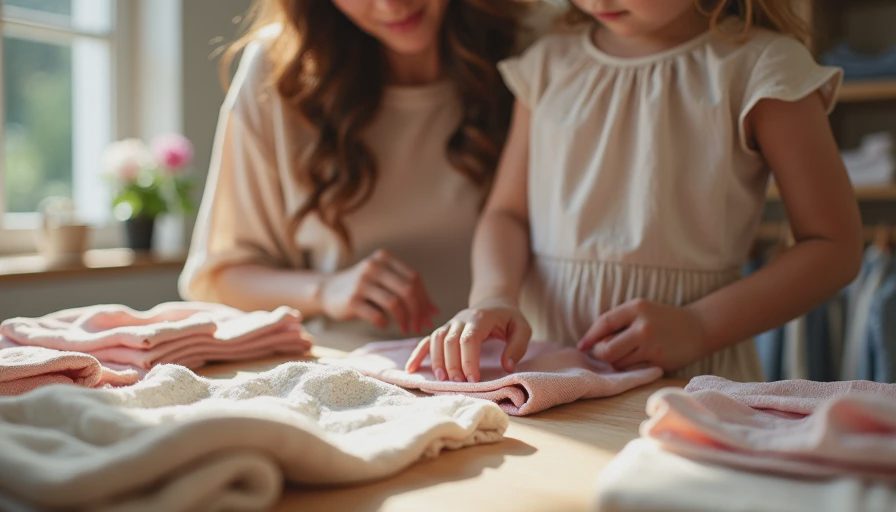
It was supposed to be a simple back-to-school trip. I had a carefully curated list, size charts memorized, and a clear vision of what Iris “needed.” Two hours later we were both exhausted and frustrated. She hated everything I picked. I was baffled by her choices. We came home with three bags and zero joy.
That night I lay awake thinking about all the vendor meetings where we talked about “what kids want” without ever asking actual kids. I realized I was doing the same thing at home.
The next weekend I tried something radical: I stopped buying for Iris and started shopping with her.
What “Shopping With Her” Actually Looks Like
It’s not chaos. It’s guided autonomy.
I still set boundaries — budget, weather appropriateness, safety — but within those, Iris has real say. We look at options together. She feels fabrics. She tries things on. She makes choices. And I bite my tongue when her taste doesn’t match mine.
The results have been surprising, humbling, and deeply rewarding.
The First Big Shift: From Control to Collaboration
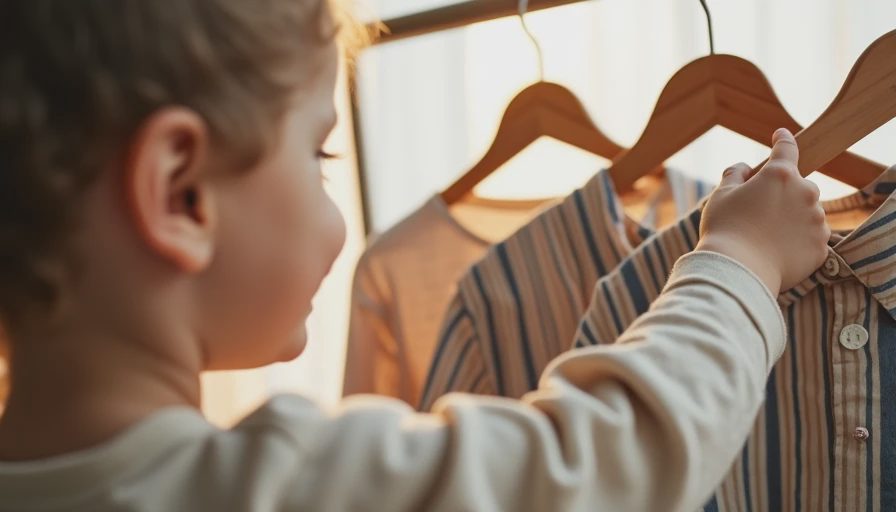
I used to present outfits as done deals. Now we build them together. She might pair the fancy blouse with her favorite dinosaur shorts. Initially I cringed internally. Then I saw how proud she was of her creation.
That pride? It’s worth more than any coordinated look.
Her confidence in her own taste has grown tremendously. She stands taller when she’s wearing something she chose. She explains her reasoning with surprising sophistication: “This one feels brave,” or “The color makes me happy inside.”
The Sensory Education
Shopping with Iris taught me how intensely children experience clothing through their senses. She notices texture in ways I had stopped paying attention to. She can tell if something will be too hot, too tight, or too itchy long before I would have noticed.
This makes perfect sense. Kids are closer to the ground, more physically active, and more honest about discomfort. My years as a buyer had trained me to think about how clothes look on hangers and in catalogs. Iris reminded me that the real test is how they feel on a moving, living child.
Learning to Handle the Mismatches
Let’s be honest — some of her combinations are gloriously chaotic. Neon green with bright pink. Stripes with florals. The kind of looks that make strangers smile (or stare).
I’ve learned to mostly keep my opinions to myself unless there’s a genuine issue. The world is full of rules and expectations for little girls. Our closet doesn’t have to be one more place where she feels policed.
The surprising part? Many of her “crazy” combinations actually work beautifully in their own way. They have personality. They have life. They look like her.
The Practical Side of Handing Over the Reins
This approach hasn’t led to wardrobe disaster. If anything, it’s made us more intentional.
Iris is more careful with clothes she chose herself. She understands the value of taking care of her things. She’s also better at letting go of items that no longer feel right — because she knows there will be new opportunities to choose.
We’ve developed systems that work for us: a “yes” pile, a “maybe” pile, and a “no” pile during shopping trips. She knows the budget limits. She’s learning that choices have consequences (that super cute but impractical dress might not get worn much).
What This Teaches About Identity
Clothing is one of the first ways children experiment with identity. When we take that away by making all the choices, we miss opportunities for growth.
By shopping with Iris, I’m watching her develop a sense of self that extends beyond what adults tell her is pretty. She’s learning to trust her instincts. She’s practicing decision-making in a low-stakes environment. She’s discovering what makes her feel comfortable and confident in her own skin.
The Pushback I’ve Received
Not everyone understands this approach. Some family members worry she’ll “look sloppy” or “never learn style.” I gently explain that style isn’t conformity — it’s self-expression.
Other parents sometimes share that they wish they could loosen up but worry about judgment. My response is always the same: the only judgment that matters is how our children feel about themselves.
Small Steps for Any Family
You don’t have to hand over complete control tomorrow. Start small:
Let them choose between two good options
Ask “How does this feel on your body?” instead of just “Do you like it?”
Celebrate their choices even when they don’t match your vision
Talk about clothes as tools for expression rather than decoration
These small shifts create space for their personalities to emerge.
The Joy Is in the Process
Our shopping trips now take longer but end with genuine excitement. Iris bounces into school wearing outfits that make her light up. She talks about her clothes with ownership instead of resignation.
I’ve gained something too — freedom from the pressure to create perfect outfits. I get to watch my daughter become more fully herself, one clothing choice at a time.
A New Kind of Beautiful
There’s a different kind of beauty in a child dressed according to their own taste. It’s less polished, more alive, more honest. It’s the beauty of authenticity.
I still appreciate good construction and quality fabrics. That part of me will never change. But now those standards serve Iris’s emerging sense of self rather than my adult aesthetic preferences.
The turning point wasn’t dramatic. It was a quiet realization that my job isn’t to shape her into my idea of well-dressed. My job is to give her the tools and freedom to shape herself.
Clothes should speak for the child, not over them. When we shop with them instead of for them, we give those clothes a much better chance of speaking clearly and joyfully.


No comments yet — be the first to share a thought.