When I first started buying for the kids' floor at Nordstrom, I thought a baby wardrobe was about covering every body part with the cutest thing I could find. Eight years and a daughter later, I know better. It is not a collection of outfits. It is the first vocabulary you give your child for telling the world who they are. The fabrics, the colors, the way a sleeve falls, all of it speaks. And when you build their wardrobe with intention, you are not dressing up a doll. You are making space for a small person to discover what feels good against their skin, what moves with them, what quietly says yes.
Start With the Fabrics, Not the Trends
Before you buy anything, close your eyes and touch it. A baby wardrobe that works is built on fabrics that breathe and stretch and survive a hundred washes. Organic cotton jersey, bamboo viscose, and fine merino wool are the materials I keep coming back to. They feel soft at the collar, they move when your baby kicks, and they do not pill the way fast-fashion knits do. In Savannah, where the humidity sits heavy most of the year, I also look for open weaves and breathable layers. A baby does not need fleece in July, but a lightweight muslin swaddle or a cotton gauze onesie? That is the kind of thing you will reach for every single day.
The Core Pieces Every Baby Wardrobe Needs
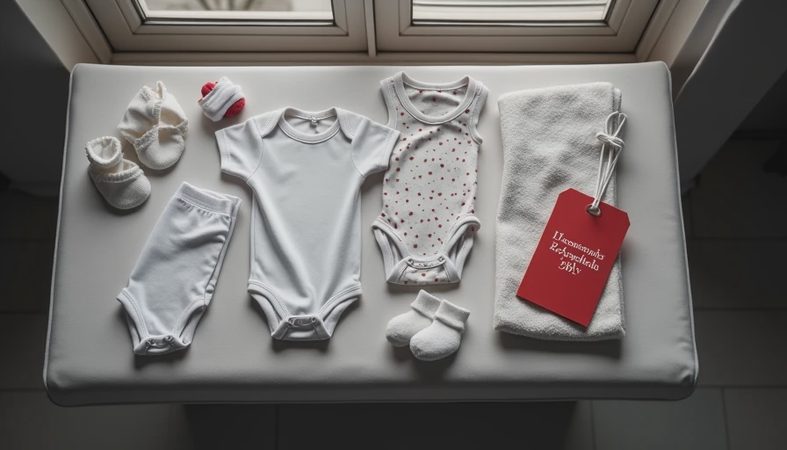
Strip away the baby-shoe displays and the tiny suspenders, and a baby wardrobe comes down to a few workhorse pieces. I start with five to seven long-sleeve onesies and the same in short sleeves, depending on your climate. Add three or four footed sleepers with zippers or snaps along the front, because nobody wants to wrestle a mid-night diaper change. Then two pairs of soft pants with elastic waists, a couple of cotton cardigans, and a stack of bibs that actually absorb. That is the base. Brands like Primary and Burt's Bees Baby make these staples without cartoon characters screaming for attention, so the clothes stay neutral and the child stays the center of the picture.
How to Read a Garment Like a Buyer
Eight years in vendor meetings taught me to look at three things before I ever check a size label. First, the seams. Flip the garment inside out and run your fingers along the stitching. Flat fell seams and covered elastic are signs a brand graded the pattern thoughtfully. Second, the snaps. Cheap snaps pop in the wash; good ones are welded to the placket and line up without you having to tug. Third, the rise of the neckline. A binding that sits too high will make a baby miserable in the car seat. When you are shopping for a baby wardrobe, take the extra thirty seconds to test those details. It turns a drawer of clothes into a system that actually helps you.
Building a Capsule That Grows With Them
Babies outgrow things faster than you can fold them. So when I plan a baby wardrobe, I plan for three stages at once: what fits now, what will fit in three months, and what can be passed down. I buy the current size in multiples, then one size up in the pieces I know will last: outerwear, overalls, and anything with roll cuffs. Hand-me-downs are not a consolation prize; they are how a wardrobe gets a memory. A cotton romper that kept your oldest comfortable during their first summer can do the same for a friend's baby. Launder it gently, patch a small hole if you can, and pass it along with the story of who wore it.

Keep the Wardrobe to a Size You Can Actually Manage
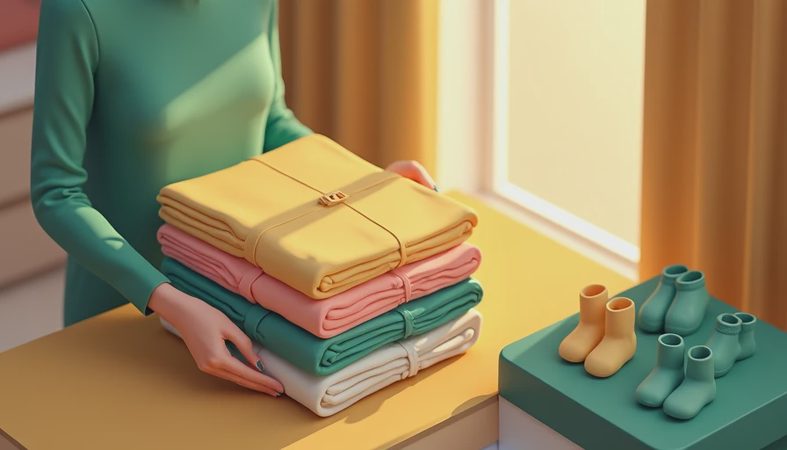
I tell clients to keep the current size to one drawer and a shelf, no more. When the drawer gets too full, pull out the pieces that no longer fit and move them to a bin labeled with the next size. Fold onesies in rows, not stacks, so you can grab the color you need without undoing everything. Hang only the dresses and outerwear that wrinkle. Everything else lives in a drawer where it is easy to touch and easy to see. You will be amazed at how much calmer a tiny closet feels when it matches the pace of a tiny human.
The Quiet Art of Letting Them Choose
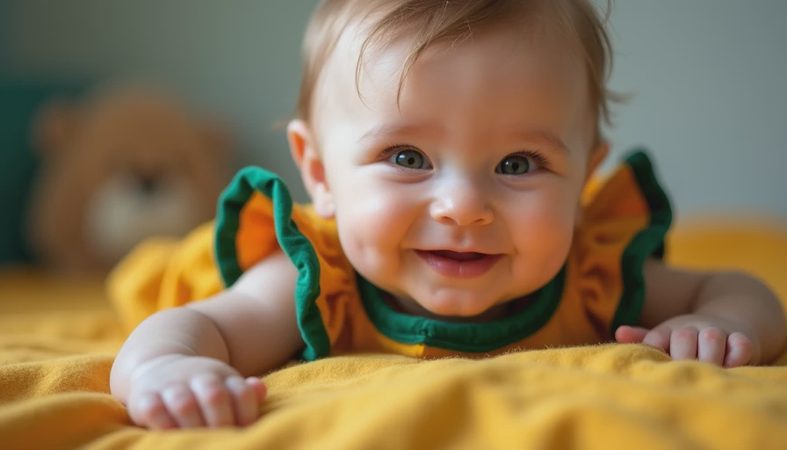
By the time your child can point, they will have opinions. My daughter Iris knew exactly which socks were wrong before she could say the word. Letting a toddler pick between two shirts is not a negotiation; it is practice for a lifetime of knowing what they like. So I keep the wardrobe small enough that the choices are easy. Lay out two onesies, both soft, both washable, and let them reach. The moment you stop dressing your child like a decoration and start treating their preferences as data, the whole closet changes. Clothes should speak for the child, not over them.
A Simple Checklist for a First Baby Wardrobe
Here is where to start, no matter your nursery theme:
- Five long-sleeve onesies and five short-sleeve onesies
- Three footed sleepers (zipper front, please)
- Two pairs of soft elastic-waist pants
- Two cotton cardigans or hooded sweaters
- Four absorbent bibs
- One warm outer layer, one size up
- Two muslin swaddles for the first few months
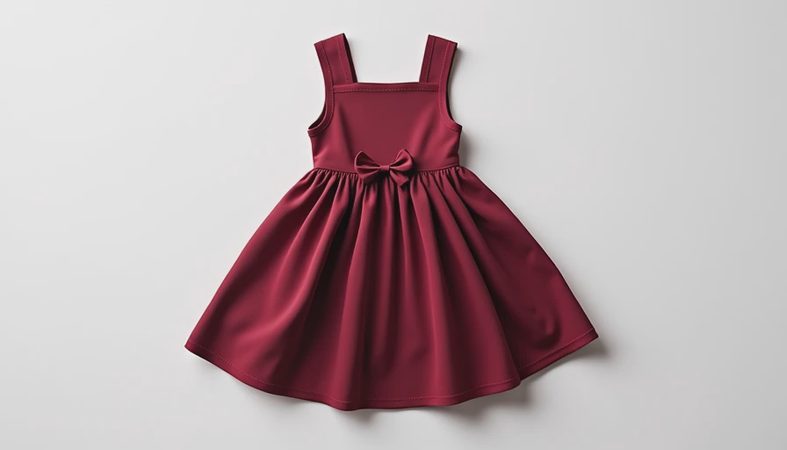
- One special-occasion piece if you want a keepsake (a linen romper or a hand-smocked dress works)
That is fewer than twenty items. It is enough to wash on a Sunday and not panic by Thursday. And it gives your child a calm, colorful, touchable place to start speaking.
A baby wardrobe is not about being ready for the runway. It is about being ready for the messy, beautiful everyday. Build it slowly, with fabric you love, and let it grow the way your child does. The rest is just laundry.

No comments yet — be the first to share a thought.