As a parent, you already know the drill: you buy the cute matching set, and your child refuses to touch it. The kids wardrobe you dream about is not about following trends. It's about learning to see. After eight years as a kids' buyer at Nordstrom, I've looked at thousands of garments. I know why a certain pair of pants gets picked from the drawer every single day. The good news? You can build a kids wardrobe that works without spending a fortune, and without turning dressing into a battle.
The biggest mistake I see in family dressing rooms is focusing on looks, not life. A garment that looks cute on the hanger can feel like sandpaper after ten minutes. So instead of asking "does this look good?", ask "does this invite my child to play?" That one question changes everything. It turns a kids wardrobe from a collection of clothes into a collection of choices.
When you walk into a kids' clothing store, you're not just choosing colors and prints. You're choosing how your child moves through the world. A stretchy cotton jersey that holds its shape through a day of climbing? That's a garment that knows its job. A pair of sneakers with a wide toe box and a flexible sole? That's one that lets a child run, not just pose. Once you tune your eye to those things, dressing a small human becomes easier.
Children grow in fits and starts. A single growth spurt can make a brand-new pair of pants unwearable in a month. So the kids wardrobe you build needs to have room to breathe. Think layering, adjustable waistbands, and fabrics with a little stretch. That's not about buying big; it's about buying smart.
Start With What They Already Reach For
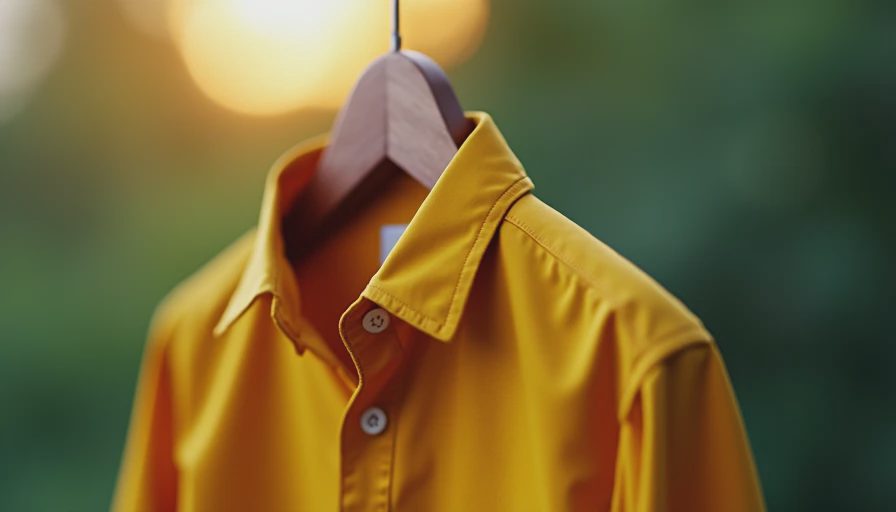
Look at your child's dresser. Which shirts are wrinkled from being worn three days in a row? Which socks have disappeared? That's your child's own personal style compass. They already know what feels good. Your job is to give them more of that.
For Iris, that meant soft leggings with no itchy waistbands, t-shirts with sleeves that cover her elbows, and anything with a pocket big enough for a rock. When we rebuilt her kids wardrobe last spring, we started with her favorite "mermaid shirt" — a faded teal hand-me-down. She loves that color, that softness, that length. So we found more shirts in that same fabric family. The result? A drawer that gets used, not just looked at.
Use the Buyer's Eye: Three Quick Checks
When I look at a new garment, either for consulting clients or for Iris, I run through three checks. You can do the same in any store.
First, touch the fabric. Does it feel soft, or papery? A good kids' fabric should be breathable and have some give. Cotton with a bit of elastane usually holds up better than a stiff woven. Second, look at the seams. Run your finger along the inside. If the edges are raw and scratchy, your child will notice. A well-made garment has flatlock or clean-finished seams. Third, check the buttons and zippers. They should be secure and pull smoothly. For young children, elastic waistbands are often easier than buttons.
If you get those three things right, you're halfway to a kids wardrobe that survives real life. And you don't need to spend a lot. Some of the most thoughtfully made brands are at mid-range prices. I've seen great organic cotton leggings for around $12 and durable denim overalls for $30. The price tag tells you less than the fabric and finish.
Choose a Palette That Does the Work
One of the biggest mistakes parents make is buying statement pieces that only work with one outfit. The sequin skirt that goes with only one top. The printed pants that don't pair with anything. Then you're stuck doing laundry because your child wants to wear the same thing every day.
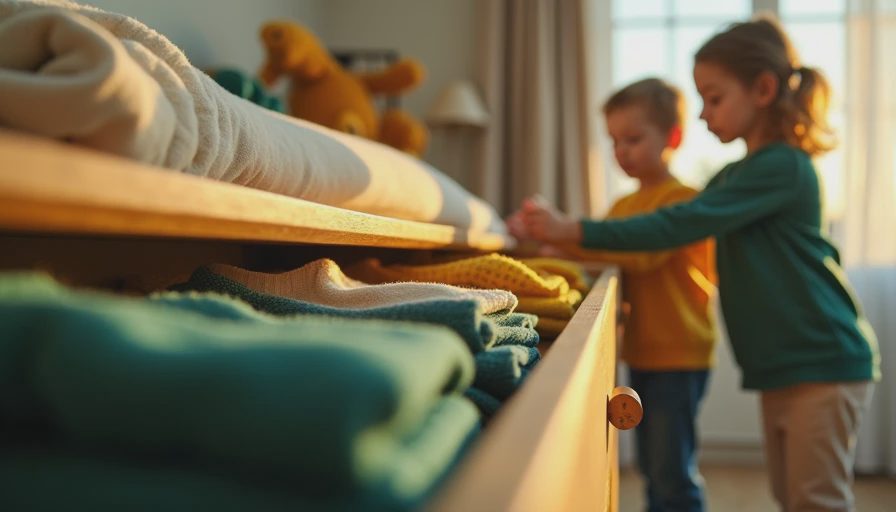
Instead, aim for a simple color palette. Think of three or four core colors, like olive, cream, dusty blue, and rust. Add one or two patterns that contain those colors. When everything coordinates, your child can pick any two pieces and they'll look great together. That's the real magic of a kids wardrobe: it's a system, not a pile of clothing.
A Simple Checklist for Your Next Kids Wardrobe Refresh
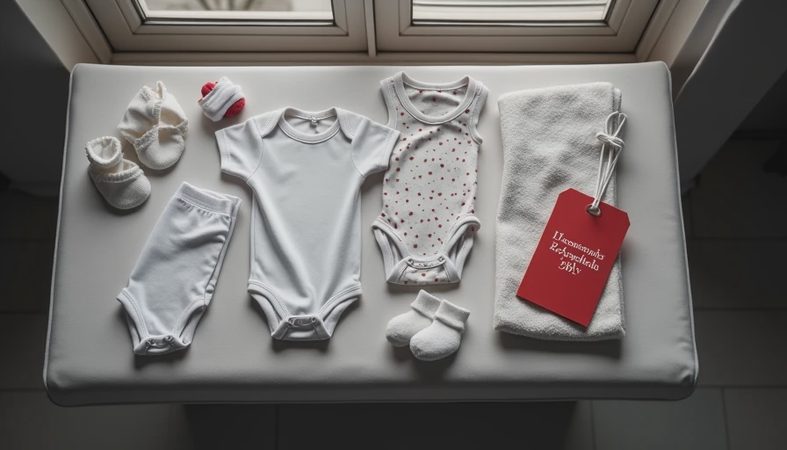
If you're feeling overwhelmed, start with a clear-out. Pull everything that doesn't fit, is too worn, or hasn't been worn in six months. Group what's left by category: tops, bottoms, dresses, outerwear, shoes. Identify the missing pieces that would make the most outfits work — like a neutral cardigan or flexible sneakers. Shop your own house first; hand-me-downs from a friend or sibling are a goldmine. When you do buy, let the fabric and seams guide you, not the cartoon character on the front.
Keep the total number of pieces smaller than you think. A good kids wardrobe has maybe 20 to 30 items per season. That's plenty. Children grow so quickly that a giant closet full of never-worn clothes just makes everyone feel guilty. A smaller, intentional selection means the clothes you do own get worn and truly loved.
Let your child make the final call. Instead of "what do you want to wear?", ask "do you want the blue shirt or the green one?" A little agency goes a long way. Iris once insisted on wearing a tutu over her jeans to the grocery store. We let her. She looked amazing, and she felt like herself. That's the goal. Clothes should speak for the child, not over them.
At the end of the day, building a kids wardrobe is not about getting it perfect. It's about paying attention to your child and giving them the tools to express who they are. It doesn't take a lot of money or time. It just takes a good eye — and you already have that.


No comments yet — be the first to share a thought.