The first drawer for a baby does not need to be crowded, but it should feel thoughtful. When I shop for newborn cotton outfits, I want the fabric to read as gentle before I even touch it, the seams to lie flat, and the whole piece to look as if it can handle a long afternoon of feeding, napping, and being passed from one calm pair of arms to another. Clothes should speak for the child, not over them.
What cotton should feel like before you buy it
The best cotton feels plain in the best sense of the word: clean, supple, breathable, and quiet against the skin. For a newborn, that usually means a soft jersey or interlock knit rather than a stiff woven fabric. Jersey has more give and drape, while interlock feels a little denser and smoother, almost like a fine knit T-shirt with better body. Both can work beautifully. What matters is that the cloth stretches without bagging, and that it returns to shape after washing.
When I look at newborn cotton outfits on a hanger, I check the hand of the fabric first. If it feels papery or overly glossy, I pass. Good cotton looks calm in daylight and stays that way after a few cycles in warm water. Labels that say 100 percent cotton or organic cotton are a useful starting point, but the weave matters just as much. A well-made cotton sleeper can be softer than a pricey blend that was finished too heavily.
The details that make dressing easier at 3 a.m.
A parent learns quickly that the prettiest thing in the drawer is not always the most helpful. The useful details are usually small: a zipper that closes from the top and bottom, snaps that line up without a fight, mitten cuffs that fold over tiny hands, and necklines that stretch enough to slide on without snagging the ears. Envelope necks are especially kind in the early weeks because they open wide and pull down instead of over the face.
I also pay attention to the inside of the garment. Flat seams matter. So do labels that are printed rather than scratchy. If there is trim, I want it to be soft enough to disappear once the baby is bundled. A sweet outfit can still be practical, but practical is the part that earns its place in the laundry basket. Brands like Carter's, Burt's Bees Baby, Hanna Andersson, and Primary each lean into different price points and styling levels, but the same rule applies: if the inside is clumsy, the outfit becomes a nuisance fast.
Build the first rotation, not a museum drawer
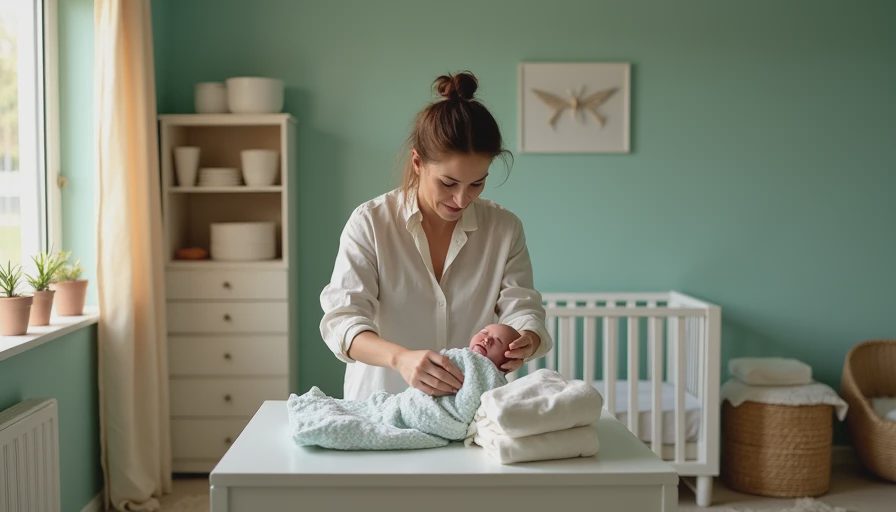
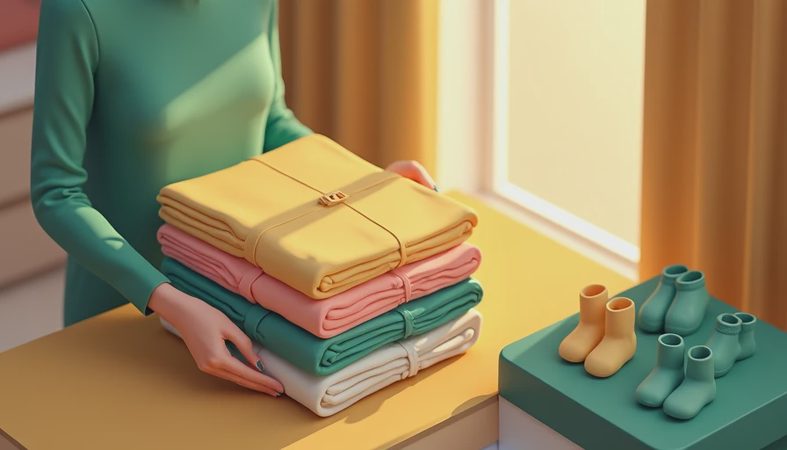
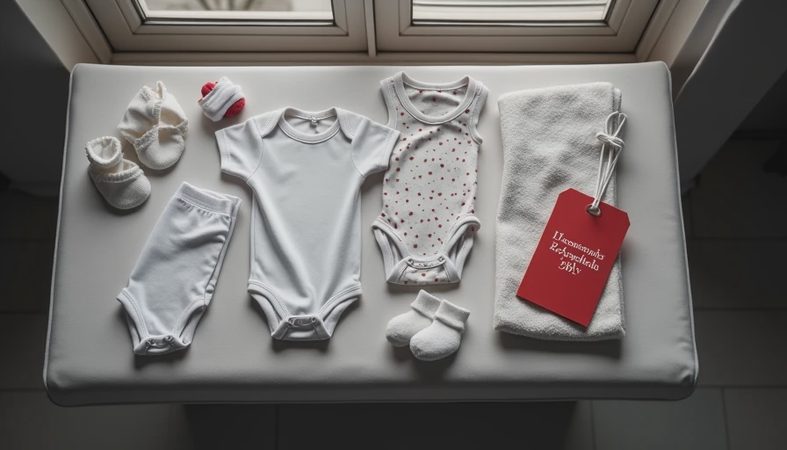
I like a small wardrobe that can be washed, folded, and reached for without thought. A few sleepers, several bodysuits, one or two soft pants, and a cardigan or zip layer will do more work than a drawer full of special pieces. When I build a baby's first drawer, I start with newborn cotton outfits that can be mixed with each other, because life with a newborn is repetitive in the sweetest way. You do not need an outfit for every hour; you need a rhythm.
Think in terms of frequency. One baby may live in footed sleepers for weeks, while another runs warm and does better in short sleeves with a blanket nearby. In either case, keep the palette calm enough that everything works together: oatmeal, cloud white, faded blue, moss, soft rose, or warm gray. The color should look lovely in nursery light and not betray every stain the first time it is worn. That is where a good cotton set earns its keep.
When a cotton blend earns its place
Pure cotton is not the answer to every problem. A small amount of stretch can make dressing easier, especially in pieces that need to slip over a head or fit through layers. In colder weather, cotton still makes sense as the layer closest to the skin, then a wool or fleece layer can sit over it. The goal is comfort, not purity for its own sake.
I also like cotton blends for families who wash daily and want clothes that recover well. A tiny bit of elastane can help a garment hold its shape, and a touch of modal can make the surface feel even silkier. The trick is not to lose the cotton backbone. If the fabric starts to feel slick, sweaty, or overly engineered, it is no longer doing the quiet work a newborn wardrobe needs. Good cotton should still look like cotton after a spin cycle.
Gifting without guessing wrong
Gift shopping for a new baby can become strangely theatrical, but the safest gifts are usually the most wearable ones. If gifts are involved, newborn cotton outfits solve the sizing problem better than a tiny occasion piece that might be outgrown before the season changes. Size 0-3 months is often the sweet spot, but 3-6 months can be even more useful if you are shopping ahead. Parents can always use a piece that fits a little later.
I like to choose gifts that feel ready for real life: a two-pack of bodysuits, a sleeper with a two-way zipper, or a soft cardigan that can layer over anything. Keep an eye on construction and washing instructions. If the care tag asks for anything fussy, most exhausted adults will simply reach for something else. A good gift should make the next diaper change easier, not more decorative.
How to edit with a buyer's eye
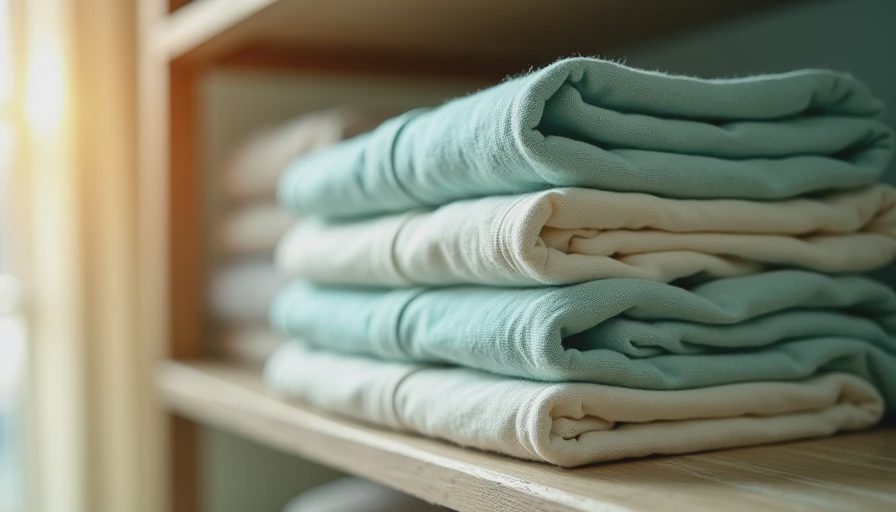
If you are standing in front of a rack and trying to decide, trust your hands before the hang tag. Hold the shoulder seam between your fingers. Stretch the rib knit slightly and see whether it springs back. Look at the neckline and the crotch snaps, then imagine dressing a wiggling baby who does not care about symmetry. That quick mental rehearsal tells you more than any marketing line.
For families building from scratch, newborn cotton outfits should be chosen like a small wardrobe capsule, not a pile of possibilities. The best pieces are the ones that can be washed at night, dried by morning, and worn again without losing their shape or their softness. If you are shopping for your own baby or for a gift, start with the quiet pieces first. The clothes that work hardest are usually the ones that look simplest on the shelf.
And if you want a final rule, make it this: choose the pieces that feel calm in your hands. That calm tends to show up in the baby, too.

No comments yet — be the first to share a thought.